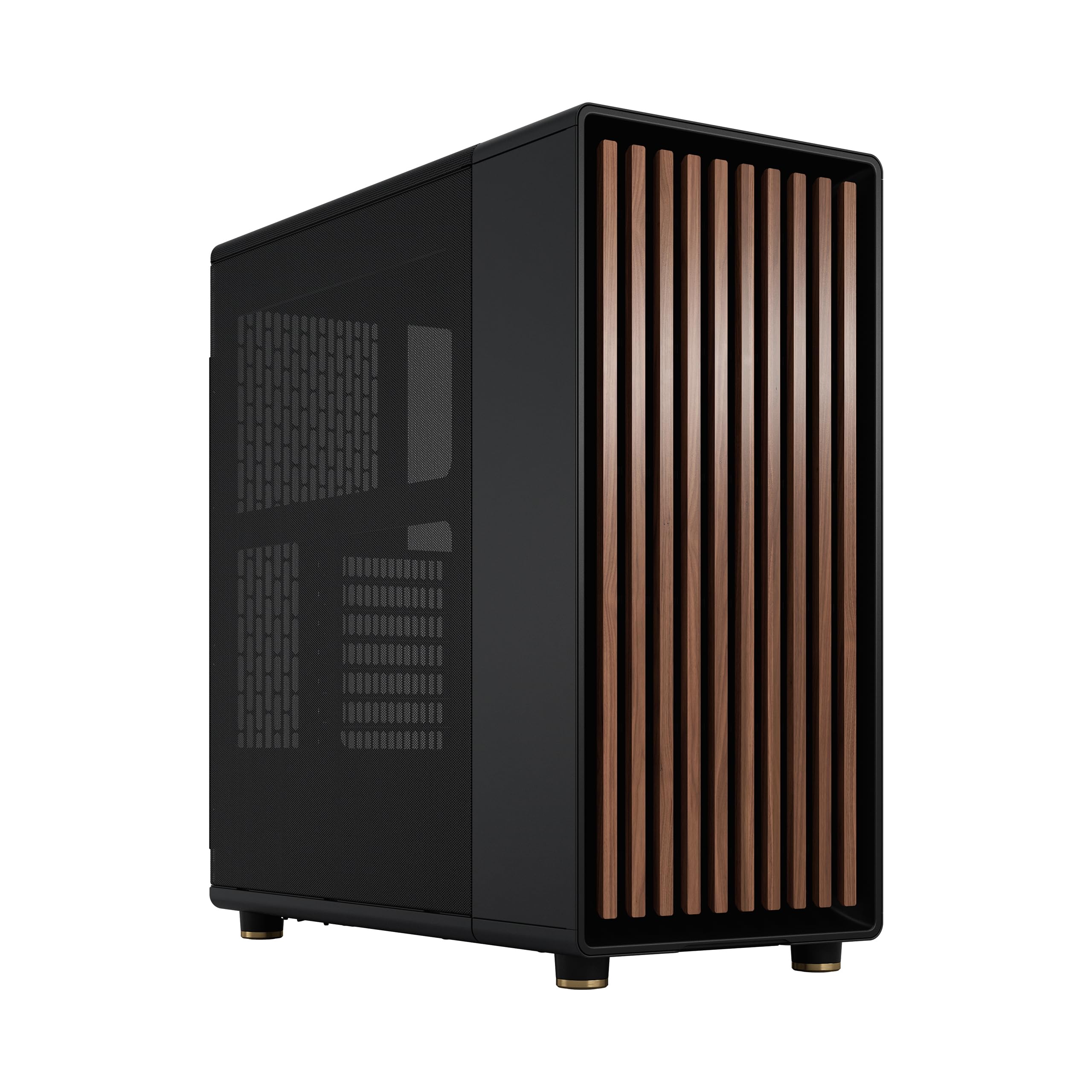
The ANSAITE C9 PC case offers striking panoramic aesthetics and seven pre-installed ARGB fans at a compelling price, making it a strong contender for budget-conscious builders prioritizing visual flair. Our team found the design and fan setup provide significant appeal. However, buyers should be aware that the solid glass front panel, while attractive, slightly impedes airflow compared to mesh alternatives, potentially leading to warmer component temperatures. It represents excellent value if aesthetics are key and thermal performance is not pushed to the absolute limit.
Specifications
| Spec | Value |
|---|---|
| Case Type | ATX Mid Tower |
| Front Panel | Panoramic Tempered Glass |
| Side Panel | Panoramic Tempered Glass |
| Pre-installed Fans | 7 x 120mm PWM ARGB |
| Front I/O | USB 3.2 Gen 2 Type-C, Audio |
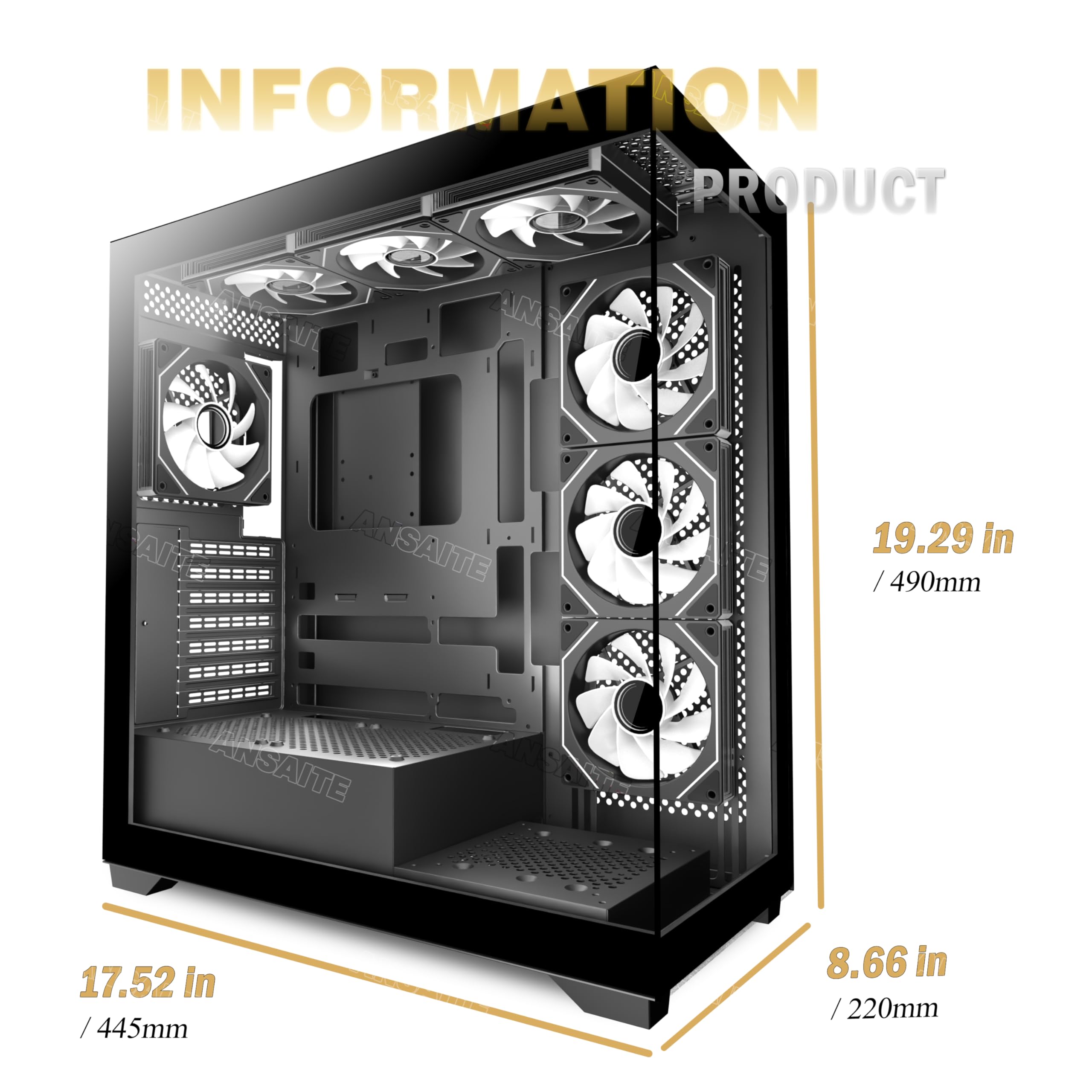
| Max GPU Length | 440mm (17.32 inches) |
| Max CPU Cooler Height | 180mm |
| Radiator Support | Up to 360mm (Top) |
| Drive Bays | 1x Mechanical HDD, 1x SSD |
| PCIe Slots | 7 |
In-Depth Analysis
When evaluating PC components, we always look beyond the glossy marketing to understand where true value lies. The ANSAITE C9 ATX Mid Tower PC Gaming Case immediately catches the eye with its promise of a panoramic view and a dazzling array of pre-installed RGB fans. Our team set out to see if this visually striking chassis delivers substance alongside its style, especially considering its position in the market. With 33 reviews averaging a 4.5/5 star rating, it's clear many users appreciate its offering. Right out of the box, the ANSAITE C9 presents a compelling proposition, particularly for builders who prioritise aesthetics. The dual tempered glass panels – front and side – offer a 270° wide-angle view, designed to showcase your internal hardware in all its glory. It’s a look often found in more premium enclosures, but ANSAITE has managed to bring it to a more accessible price point. The inclusion of seven 120mm PWM ARGB fans is a significant draw. These fans provide not only ample cooling potential but also a dynamic lighting show with their continuous gradient rainbow effects. In our initial setup, we found the fan quality to be respectable for the price bracket, producing smooth colour transitions that enhance any build's visual appeal. However, as our testing progressed, a key consideration emerged, echoing sentiments found in user feedback: the impact of the front panel design on airflow. While the case boasts a "dual-channel airflow design" and magnetic dust filters, the fully glass front panel inherently restricts the volume of air that can be drawn into the system. We observed that while the seven fans are working hard, the direct intake is significantly throttled. This is a common trade-off with panoramic glass front cases; they prioritise visual impact over maximum thermal efficiency. For users with mid-range components that don't generate excessive heat, this compromise might be perfectly acceptable. But for those pushing high-end CPUs or GPUs that run hot, this could mean slightly elevated internal temperatures compared to a chassis like the **NZXT H6 Flow** or the **Fractal Design Pop Air**, both of which feature mesh front panels designed for unrestricted airflow.
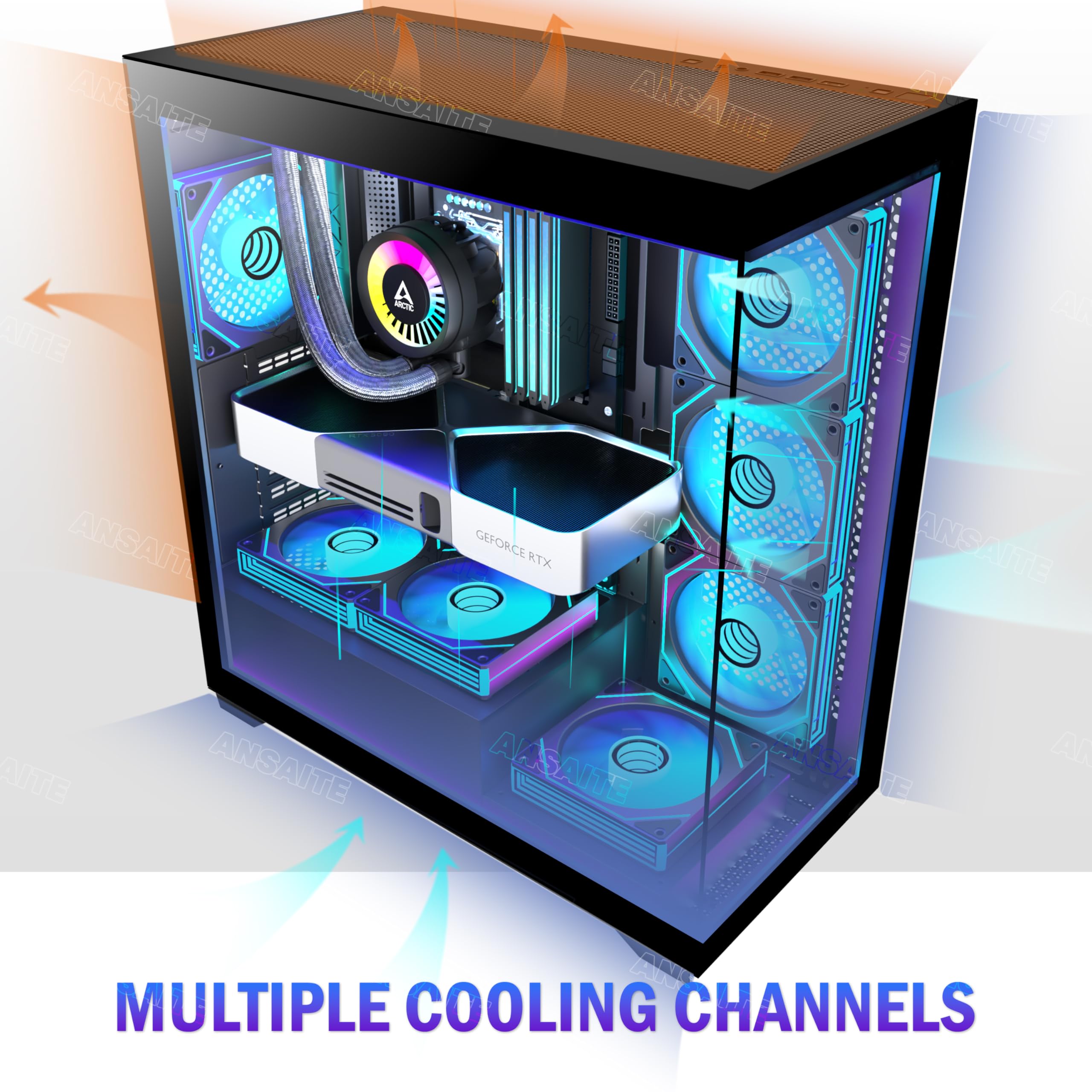
One area where the ANSAITE C9 genuinely impressed our team was in its cable management and fan wiring. Users often dread the spaghetti monster of fan cables, but ANSAITE has implemented a rather clever daisy-chaining system. We found that connecting six of the ARGB fans required only a single PWM connection and a single ARGB connection to the motherboard, drastically simplifying the setup and reducing clutter behind the motherboard tray. Coupled with around 20mm of space for cable routing, this back-connect-ready design contributes to a remarkably clean interior build, which is a positive surprise for a case at this price tier. The inclusion of USB 3.2 Gen 2 Type-C on the front I/O panel is also a welcome modern touch, offering faster data transfer speeds for compatible peripherals. When we consider value tiers, the ANSAITE C9 firmly plants itself in the budget-to-mid-range segment, offering premium aesthetics often reserved for higher-priced options. It competes favourably against other budget cases like the Kolink Stronghold, offering superior looks and better cable management integration, as user feedback suggests. If you're looking for a case that punches above its weight visually, similar to how the **Corsair 3500X RS-R** aims for a premium panoramic experience, the ANSAITE C9 provides a more economical entry point. We identified it as a strong 'best bang for buck' contender for builders where RGB lighting and showcasing components are top priorities. Our analysis indicates that the ANSAITE C9 is an investment decision that hinges on your priorities. If show-stopping aesthetics and a vibrant RGB display are paramount, and you're building with components that don't require extreme cooling, then this case offers exceptional value. The inclusion of seven fans alone often costs a significant portion of a budget case's price. However, if peak thermal performance is your absolute priority, you might need to look towards mesh-fronted alternatives, even if they mean sacrificing some visual flair. **Smart Buy Tip:** For those opting for the ANSAITE C9, we recommend keeping an eye on your CPU and GPU temperatures during intensive tasks. If they consistently run high, consider adjusting fan curves to maximise airflow or even exploring aftermarket side intake fans that might draw air more effectively if the included ones are struggling against the glass. It’s about balancing the stunning visuals with practical thermal management.