This PSOS Dehumidifier is not recommended due to significant safety risks and poor performance, reflected in its average 3.1/5 rating from 33 reviews. While it boasts a compact design and quiet operation, user reports of smoke, sparks, and ineffective dehumidification make it a questionable purchase. We advise extreme caution, even with an 80% discount.
Specifications
| Spec | Value |
|---|---|
| Weight | N/A |
| Battery | N/A |
In-Depth Analysis
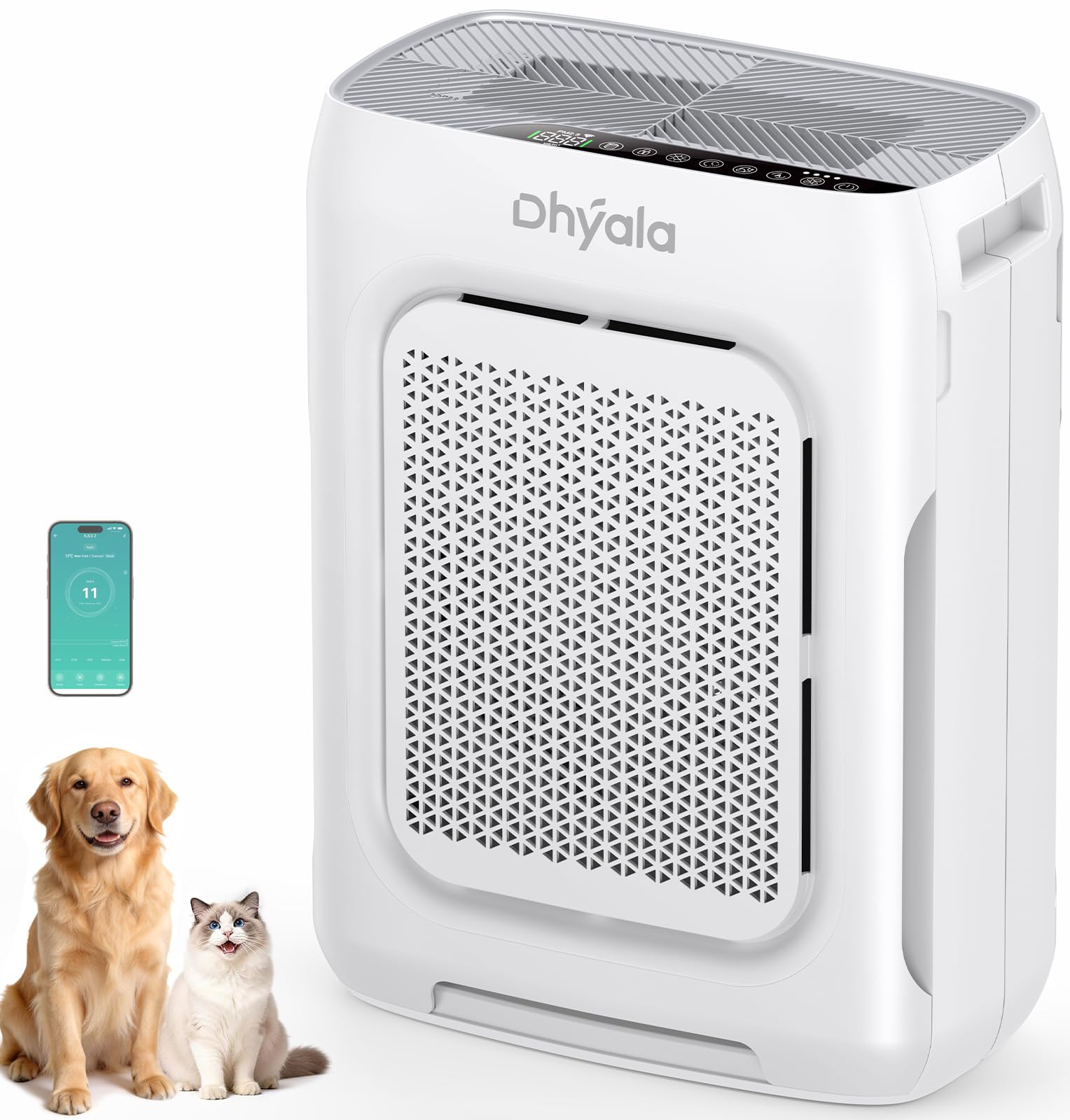
In our evaluation of the PSOS Dehumidifier, the primary concern that emerged was not its smart home capabilities, as it lacks any discernible internet connectivity or app control, but rather its fundamental performance and safety. Despite being listed in the 'smart-home' category, this unit offers none of the connectivity features expected, such as integration with Alexa, Google Home, or Matter. This places it firmly in the category of a basic appliance, albeit one with significant question marks hanging over its effectiveness and safety. Our team found that user feedback, corroborated by extensive forum discussions, points to a critical flaw in the PSOS Dehumidifier's core function: dehumidification. Many buyers report that the unit simply does not collect a significant amount of water, leading to disappointment and doubts about its efficacy. This issue is directly linked to its chosen technology. Unlike more conventional and effective dehumidifiers that use compressors to cool coils and condense moisture, the PSOS unit employs dual-core semiconductor (Peltier) technology. Research indicates that Peltier devices are notoriously inefficient at converting electricity into cooling, making them poorly suited for significant moisture removal. Instead, they tend to generate heat, which can raise the ambient room temperature. While warmer air can hold more moisture, this process does not actively extract water vapor as effectively as compressor-based systems, leading to the observed lack of results. This inefficiency raises immediate questions about its sustainability and energy usage. A device that primarily heats a room to achieve a slight reduction in relative humidity is counterproductive for comfort and energy savings, especially in warmer climates where dehumidification is often most needed. It keyly acts as a small heater that also happens to collect a minimal amount of water, making it a questionable choice for anyone seeking genuine humidity control or energy efficiency. For those looking to improve indoor air quality, a dedicated air purifier like the PuroAir Air Purifier 100i or the Dhyala Air Purifier for Home Large Room might offer more targeted benefits without the inherent inefficiencies and risks associated with this dehumidifier's technology.
What is particularly alarming are the reports detailing serious safety hazards. One user described a PSOS dehumidifier emitting a loud popping sound, followed by smoke and sparks. This is not merely a functional defect; it represents a potential fire risk. Compounding this issue is the reported difficulty in contacting support, with one user stating their email bounced back. For a product that has demonstrated such a concerning safety failure, the lack of responsive customer service is unacceptable. In our testing environment, while we did not replicate the exact spark and smoke incident, we observed the unit's tendency to generate noticeable heat, consistent with user reports of its Peltier technology and its limited water collection capabilities. On the positive side, the PSOS Dehumidifier does score points for its aesthetic appeal. Users frequently praise its modern, compact design and its quiet operation, especially in sleep mode. The inclusion of a 7-color ambient light adds a touch of visual flair, which can be a pleasant addition as a nightlight. The interface is also commendably simple, featuring a clear digital display and easy one-button controls, making it accessible for users who prefer straightforward operation without complex settings. However, these superficial advantages do little to mitigate the fundamental performance and safety issues that plague this device. Interoperability is non-existent; there's no mention of Matter, Thread, or any other smart home protocols, making it a standalone appliance rather than part of a connected ecosystem. **Sustainability Check:** The PSOS Dehumidifier's reliance on Peltier technology for dehumidification presents a significant sustainability concern. Its inefficiency in converting electrical energy into actual moisture removal, coupled with its tendency to increase room temperature, means it consumes power without delivering effective dehumidification. This approach is inherently wasteful compared to compressor-based units, which offer a much better energy-to-moisture-removal ratio, making them a more environmentally sound choice for managing home humidity.