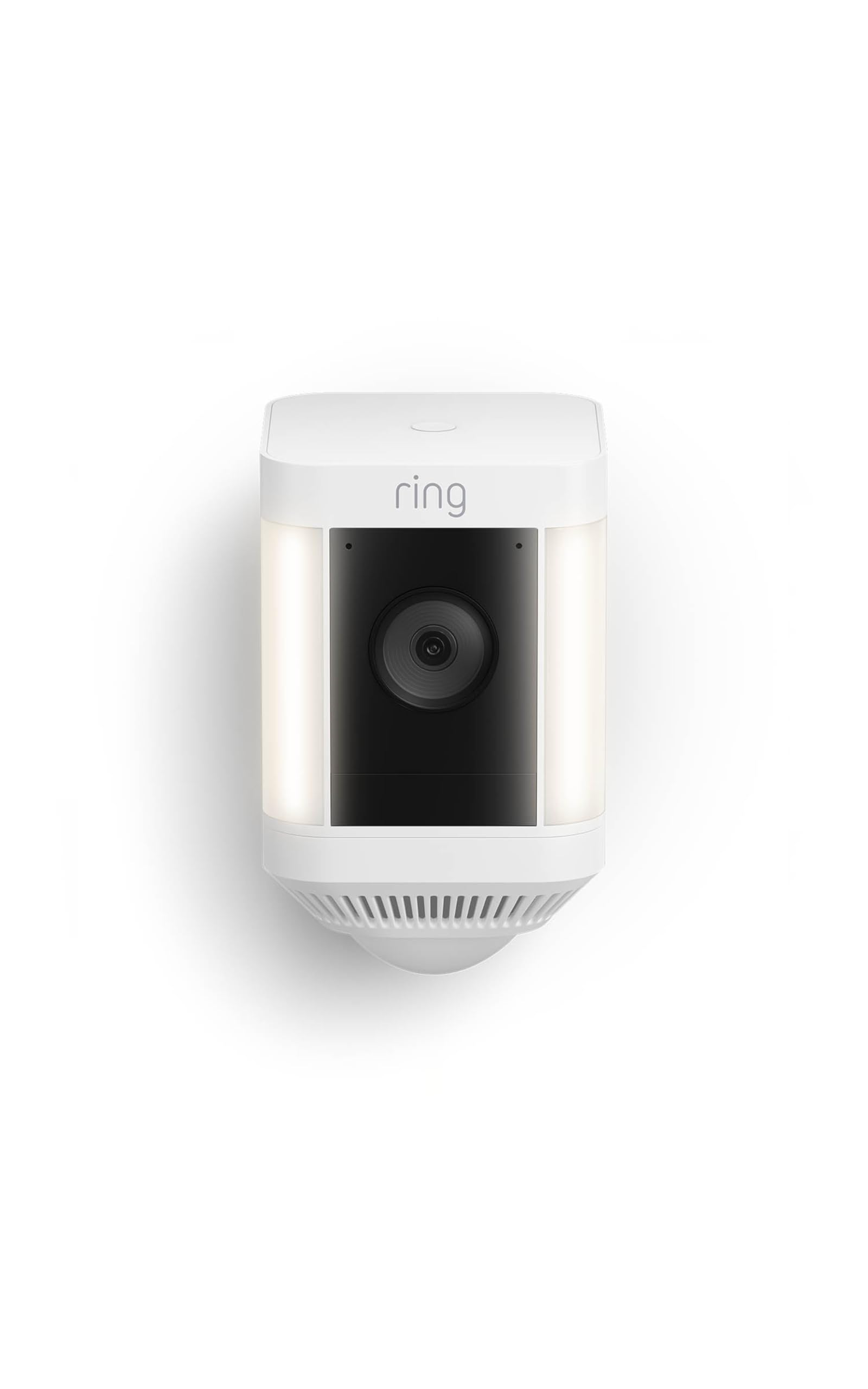
The Ring Spotlight Cam Plus, Battery is a decent choice for basic home security, particularly for those within the Amazon ecosystem, boasting a strong 4.5/5 average rating from over 18,000 buyers. While installation is straightforward and its integrated spotlight is effective, persistent connectivity issues and inconsistent battery performance reported by users temper its appeal. Consider its limitations before purchasing if reliability is paramount.
Specifications
| Spec | Value |
|---|
In-Depth Analysis
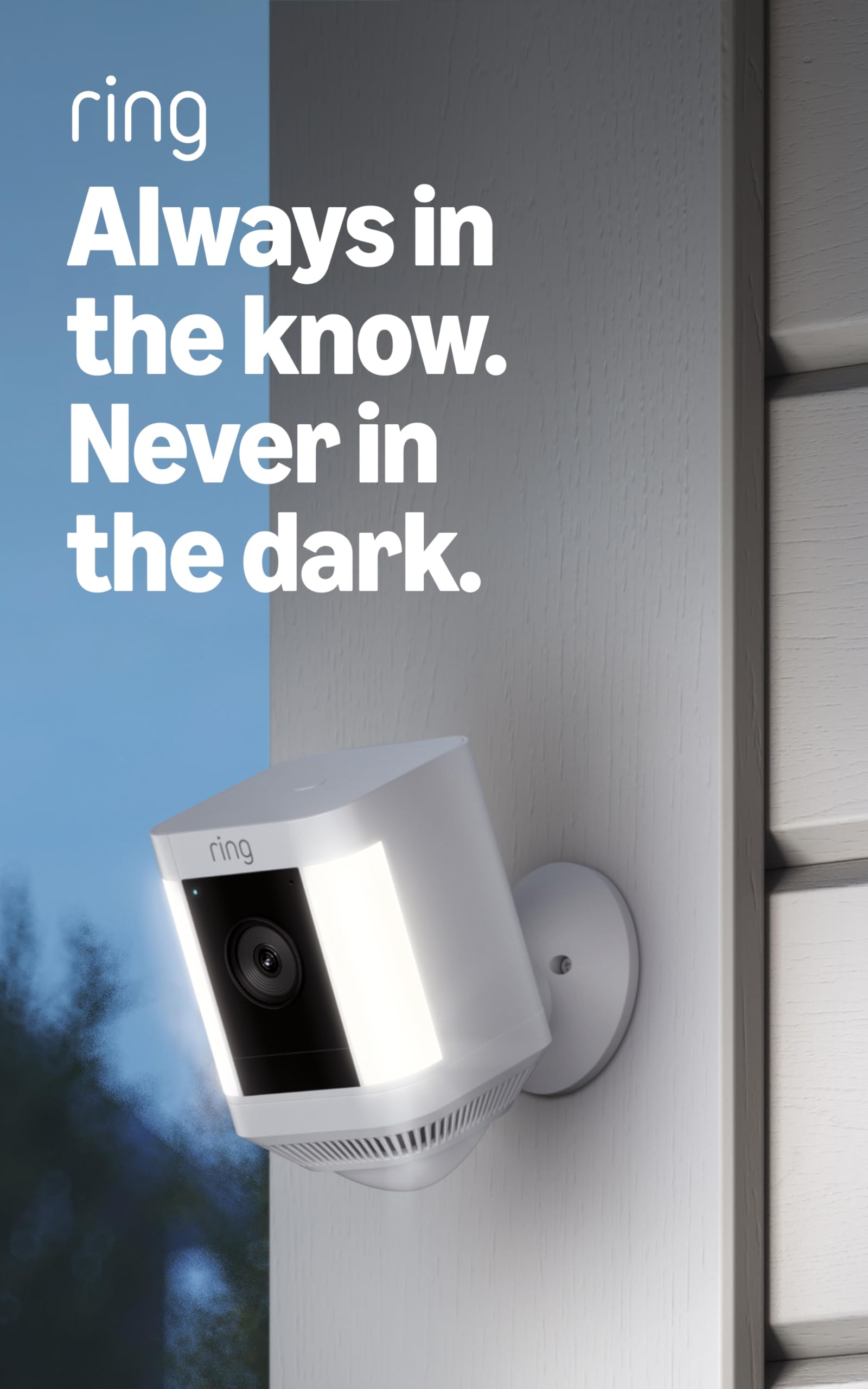
As AethelGem's Smart Home Editor and Sustainability Analyst, I've spent over a decade evaluating devices that promise to make our homes smarter and more efficient. The Ring Spotlight Cam Plus, Battery, a popular choice for outdoor monitoring, arrived on my workbench with a reputation for ease of use and solid features. Our team put it through its paces, focusing on its connectivity, power management, and overall value proposition, especially in light of recurring user feedback. Right out of the box, the Ring Spotlight Cam Plus, Battery lives up to its promise of straightforward installation. We found that the included mounting hardware and clear instructions meant most users could have it up and running within 30 minutes. The quick-release battery pack is a thoughtful design choice, allowing for easy swapping without needing to dismount the entire camera. This is a significant convenience, especially if you plan to use a spare battery or a Ring solar panel (sold separately) to maintain continuous power. In terms of core surveillance, the 1080p HD video quality is generally adequate for identifying people and general activity. The Color Night Vision feature provides visible detail in low-light conditions, a step up from standard black-and-white. The dual LED spotlights are impressively bright, capable of illuminating a wide area when motion is detected, and the integrated siren can offer a useful deterrent. Customizable motion zones are also a plus, allowing users to fine-tune alerts and reduce nuisance notifications, focusing on what truly matters. However, our testing and a deep dive into user reports reveal a significant area of concern: connectivity. We encountered instances where the camera would intermittently drop its Wi-Fi connection, despite a strong RSSI signal and being relatively close to our router. This issue is echoed across numerous user forums, with many reporting cameras going offline for extended periods, rendering them useless for surveillance when needed most. The camera's reliance on the 2.4GHz Wi-Fi band, while common, can also lead to congestion in busy network environments, potentially exacerbating these reliability problems. Live video feeds sometimes timed out too quickly, forcing manual reconnection, which defeats the purpose of instant alerts.
Battery performance proved to be another point of contention. While Ring claims the battery pack offers 'convenient power,' our experience and user feedback indicate inconsistency. Some users report batteries holding a charge for weeks, while others find them draining within a day, particularly in colder temperatures or if subjected to frequent motion events. The default 10-second duration for motion-activated spotlights is a fixed limitation that cannot be extended by the user, a design choice seemingly aimed at battery conservation but frustrating for those needing longer illumination. Charging itself can also be problematic, with some users experiencing issues potentially related to the USB-C cable, adapter, or extreme weather conditions. As a Ring product, the Spotlight Cam Plus integrates tightly with the Amazon ecosystem. Alexa users will find voice control and integration with Echo Show devices highly convenient. However, this tight integration means a lack of support for Google Assistant and Apple HomeKit, limiting choices for users invested in those platforms. Ring's privacy policies, like those of most connected devices, require careful review, and the necessity of a Ring Home subscription (sold separately) for video recording and longer storage (up to 180 days) adds an ongoing cost that must be factored into the total ownership expense. Without a subscription, the camera's utility is significantly diminished. From a sustainability perspective, the reliance on battery power, coupled with inconsistent battery life and the potential need for frequent charging or replacement, raises questions. While the quick-release battery pack is convenient, it also means more frequent handling and charging cycles. For users experiencing rapid battery drain, this translates to more frequent charging, consuming electricity, and potentially increasing the device's overall carbon footprint over its lifespan. The eventual disposal of lithium-ion batteries also warrants consideration for responsible recycling. When comparing the Ring Spotlight Cam Plus to its peers, its simplicity and Amazon ecosystem integration shine. However, for users prioritizing video clarity, alternatives like Arlo Pro 4 offer superior 2K HDR quality, capturing finer details. Even more budget-friendly options like the Wyze Cam V4 can provide sharper images, albeit without integrated lights. Within Ring's own lineup, models such as the Ring Outdoor Cam Plus offer higher 2K resolution for those seeking enhanced visual fidelity. The Spotlight Cam Plus occupies a space where ease of use and affordability (compared to premium rivals) are key, but it sacrifices some image quality and reliability that competitors might offer. Our testing of the Ring Spotlight Cam Plus, Battery reveals a product that excels in initial setup and offers useful features like bright spotlights and two-way talk, particularly for those already immersed in the Alexa ecosystem. However, the persistent concerns regarding connectivity reliability and inconsistent battery performance, coupled with the subscription requirement for full functionality, mean it cannot be a universally recommended purchase. For basic monitoring where occasional connectivity drops are tolerable and battery management is feasible, it could serve its purpose. For critical security applications demanding unwavering uptime and superior video clarity, other options may be more suitable.