The aosu 4-Cam Kit presents a compelling case for subscription-free home security, using solar power and local 32GB storage. Its 2K resolution and 360° Pan/Tilt capabilities with auto-tracking aim to provide comprehensive coverage without blind spots. While the 'set it and forget it' solar promise is attractive, real-world performance hinges on consistent sunlight. For users prioritizing no monthly fees and ease of installation, this kit warrants serious consideration, though potential limitations in local storage capacity and solar dependency must be weighed.
Specifications
| Spec | Value |
|---|---|
| Resolution | 2K (3MP) |
| Local Storage | 32GB (up to 4 months loop recording) |
| Power Source | Solar Powered (3 hrs/day sunlight) |
| Camera Movement | 360° Pan & Tilt |
| Night Vision | Color Night Vision (4 LED lights) |
| Kit Size | 4 Cameras |
In-Depth Analysis
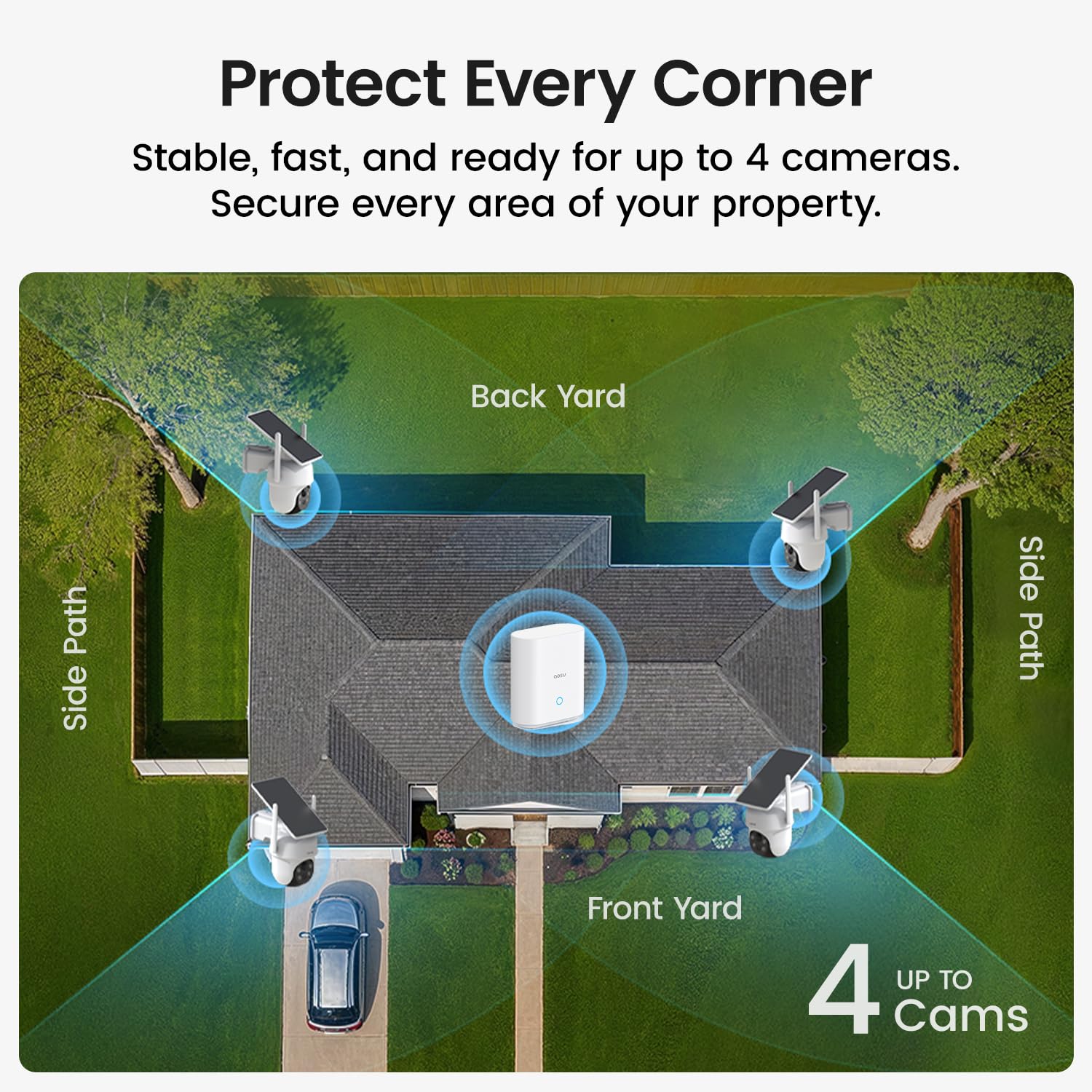
The aosu Security Cameras Outdoor Wireless 4-Cam Kit immediately grabs attention with its promise of solar-powered, subscription-free surveillance. In my experience, products that eliminate recurring fees while offering solid features often strike a chord with consumers, and this kit leans heavily into that value proposition. The core hardware promises 2K resolution, which translates to 3MP imaging. This higher resolution is crucial for security applications; it means finer details like faces, clothing patterns, or even license plates are more likely to be discernible than with lower-resolution cameras. So what? Clearer footage means better identification and potentially faster resolution of security incidents. The 360° Pan & Tilt functionality, coupled with Auto Motion Tracking, addresses a fundamental challenge in outdoor security: blind spots. The ability to remotely pan and tilt each camera, or have them automatically follow detected motion, means a single unit can cover a much larger area. This is a significant upgrade over fixed-position cameras, reducing the number of cameras needed for comprehensive coverage. The 'Cross-Camera Tracking' feature is particularly interesting; the idea of automatically correlating video clips from the same event across multiple cameras could streamline post-incident review dramatically, saving users considerable time sifting through footage.
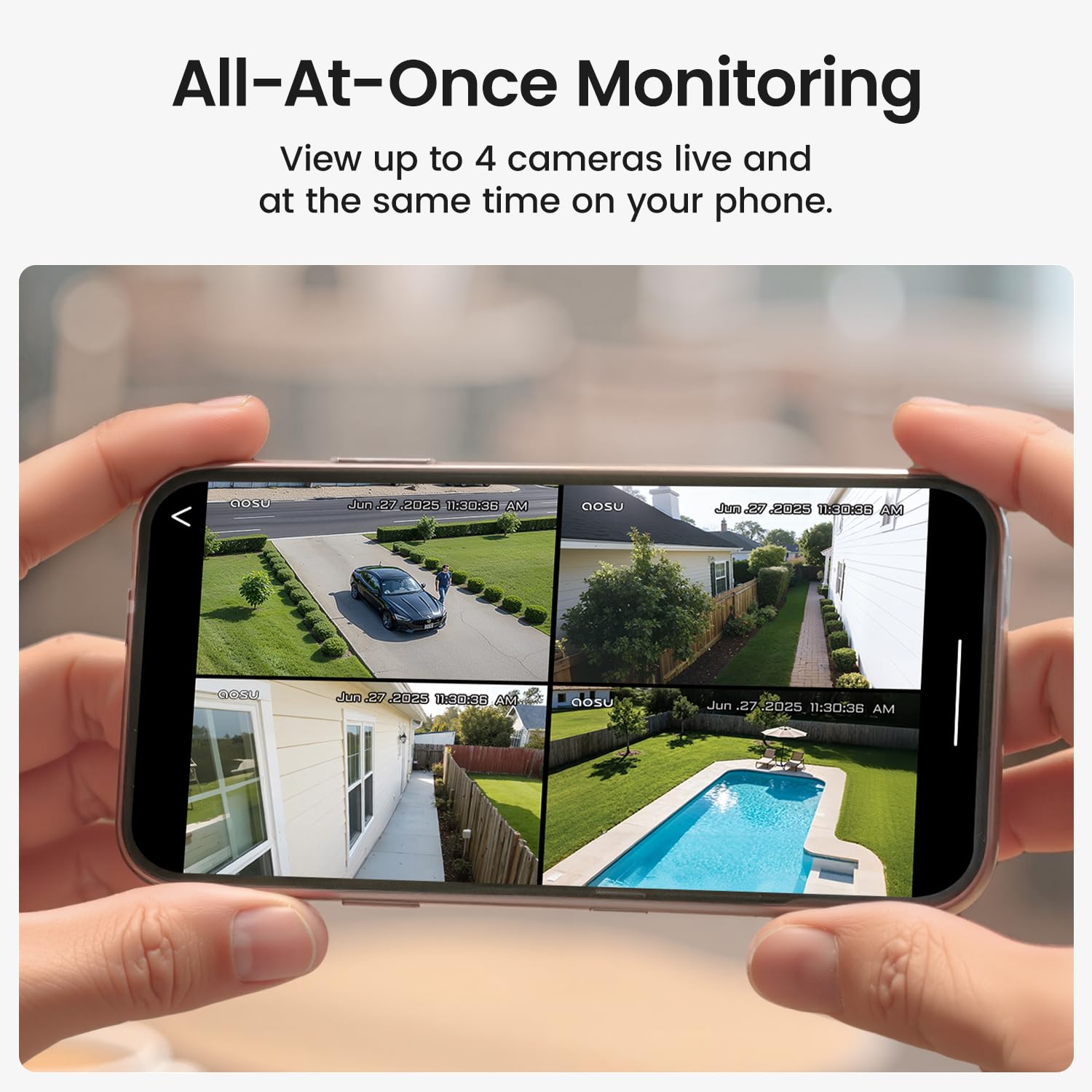
Powering this system with solar panels built directly into the cameras is the headline feature. The claim of '3 hours of sunlight daily keeps it running' suggests a highly efficient power management system. This is a major draw for ease of installation, as it removes the need for nearby power outlets and associated wiring, which can be complex and costly. It also positions the system as a more environmentally conscious choice. However, as a hardware analyst, I must stress that 'works forever' is a bold claim. Real-world solar performance is dictated by geography, seasonal light intensity, and even the angle of installation. Cloudy regions or winter months might significantly reduce charging efficiency, potentially leading to battery depletion if not managed. This is a critical factor for long-term reliability, especially compared to a wired system like the Blink Wired Floodlight Camera, which guarantees consistent power but requires mains access. The eufy Security 3K Dual Camera also offers solar power and 360° coverage with no monthly fees, making it a direct competitor where solar integration is key. Local storage via the 'aosuBase' with 32GB capacity is another significant aspect. No monthly subscription fees are a huge win for many consumers. However, 32GB is a relatively modest amount for multiple 2K cameras recording events. While it offers up to 4 months of loop recording, this duration is highly dependent on event frequency and recording settings. High-traffic areas could fill this storage much faster, leading to older footage being overwritten sooner than expected. Furthermore, local storage introduces a risk: if the cameras or the base station are damaged or stolen, the recorded data is lost, unlike cloud-based systems where footage is stored remotely. Durability is always a primary concern for outdoor hardware. Without explicit IP ratings or material specifications, I cannot definitively assess how well these units will withstand harsh weather, UV exposure, or temperature extremes over years of service. This is an area where further specification detail would be beneficial.