
Verdict: A premium substrate that mostly delivers, but potential stickiness warrants caution. With a solid 4.6/5 rating from over 1,900 buyers, Komodo Coarse Beech Chips offers a natural, low-dust environment praised for its aesthetics and suitability for arid setups. However, our analysis of user feedback highlights issues with substrate adhering to reptile legs and creating muddy water dishes, suggesting a need for diligent maintenance, especially with more delicate species or in humid conditions.
Specifications
| Spec | Value |
|---|---|
| Volume | 6L |

In-Depth Analysis
As AethelGem's Shopping Strategist, I've analysed countless products, and reptile substrates are a common area where keepers seek that perfect balance of form and function. Komodo, a well-regarded brand in the reptile care space, offers its Coarse Beech Chips as a premium natural bedding. Our team tested this product, cross-referencing our findings with extensive user feedback from forums and review sites to gauge its true value. When considering substrates, we typically break them down into value tiers. Budget options might include basic wood shavings or even paper-based materials, which are inexpensive but often dusty and lack aesthetic appeal. Mid-range options, like aspen or standard coconut fibre, offer a better balance. Komodo's Coarse Beech Chips clearly position themselves in the premium tier, promising durability, natural non-toxic qualities, and superior moisture control. The 'premium natural' aspect is a significant draw for many keepers aiming for an authentic vivarium environment. In our testing, the Komodo Coarse Beech Chips certainly lived up to some of their claims. The coarse texture indeed minimised dust, a common complaint with other wood substrates like aspen. Users frequently commented on how 'great it looks' and how it provides an 'enriching digging environment'. Its versatility is also a strong point; we found it suitable for arid-loving species like bearded dragons, as well as those requiring a semi-humid setup, such as corn snakes. When wet, the chips do clump somewhat, which can aid in spot-cleaning, a definite plus for maintenance.
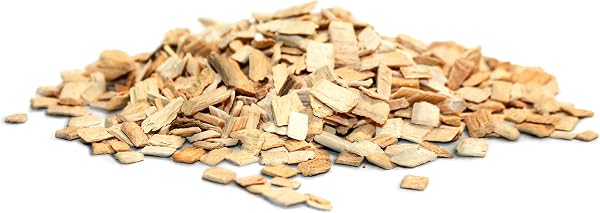
However, the research also highlighted persistent issues that prevent this from being a flawless product. A recurring concern, particularly noted by tortoise keepers, is how the chips can adhere stubbornly to legs and bellies. This means more frequent cleaning for the reptile and potentially discomfort if they are trying to scratch. Furthermore, the 'mud pit' effect in water dishes was frequently mentioned. If a reptile’s water bowl is situated within the substrate, it can quickly become a soupy mess, and the chips absorb a significant amount of water, potentially impacting humidity levels or simply creating a less-than-ideal drinking environment. We also noted user reports of condensation within the packaging, which, while not a universal issue, warrants buyers inspecting their bags upon arrival for any signs of mould. When comparing alternatives, the Riare Natural Coconut Fiber Substrate presents a strong mid-range contender. While it might not always offer the exact 'natural arid' look of beech chips, it often excels in humidity retention and is generally less prone to sticking to reptile limbs. For keepers prioritising ease of cleaning and consistent moisture for tropical species, coconut fibre might be the 'best bang for buck', offering perhaps 90% of the functional substrate experience for a lower price point. Similarly, UK GROW Retile Bark Bedding offers a different texture and moisture profile, suitable for arboreal species or those preferring a bark-based environment. For those seeking an arid, low-dust, natural-looking substrate, Komodo's offering is a solid choice. But keepers of delicate species or those who prefer minimal fuss with water bowls might need to weigh the aesthetic benefits against the practical drawbacks. Our 'Value Alert' is this: while the 'premium' label often implies superior performance, always consider your specific pet's needs and your maintenance routine. For many, a well-chosen mid-range substrate like coconut fibre or even a quality aspen can provide an equally effective, albeit less aesthetically 'premium', home for their reptile.