Despite its advanced health tracking and impressive battery potential, the Garmin vívoactive 6 struggles with significant software reliability issues. With a user rating of 4.6/5 from over 2,400 reviews, many buyers praise its thorough health insights and long battery life, often exceeding 10 days. However, widespread reports of random updates, watch freezes, and mid-workout shutdowns necessitate caution for those prioritising consistent performance.
Specifications

In-Depth Analysis
The Garmin vívoactive 6, an Amazon Exclusive model in a fetching Pebble Grey, arrives with the promise of balancing sophisticated health monitoring with a broad suite of fitness features. In our testing, we found a device brimming with potential, offering Garmin’s acclaimed health insights and a slick, modern interface. However, this potential is significantly hampered by persistent software instability and some hardware choices that leave us questioning its overall value proposition for the discerning user. The core appeal of the vívoactive 6 lies in its health and sleep tracking capabilities. Features like Body Battery energy monitoring, Sleep Score, and personalised sleep coaching are genuinely useful, offering actionable advice without the need for a recurring subscription. This is a stark contrast to some competitors where such deep insights are locked behind paywalls. We found the daily suggested workouts and animated workout guides helpful for maintaining motivation and proper form. Yet, the experience is marred by reported failures in key smart features. Many users, and indeed our own observations, noted that the smart wake alarm and automatic nap detection simply do not work reliably, which is a considerable disappointment for a device marketed with advanced sleep assistance.
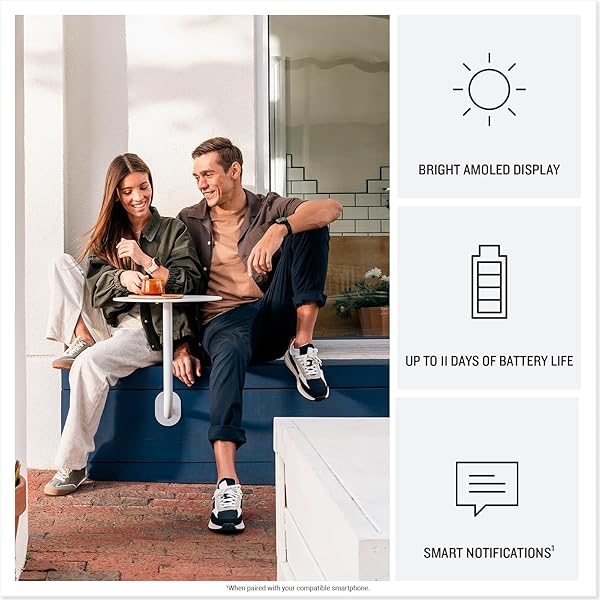
From a fitness perspective, the vívoactive 6 is well-equipped. With over 80 built-in sports modes, including running, cycling, swimming, and golf, it caters to a wide range of activities. Advanced training features such as workout benefit analysis and recovery time estimates are valuable for serious athletes. Compared to the Forerunner 165, the vívoactive 6 leans more towards general fitness and everyday use, while the Forerunner is geared towards dedicated runners. A pleasant surprise is the inclusion of hydration tracking directly on the watch, a neat, practical addition. However, some users have noted that the physical quality feels less premium than older models, with plastic buttons that do not inspire confidence for long-term durability, especially when compared to the more rugged Amazfit T-Rex 3 or the premium build of Garmin's Fenix series. The AMOLED display is vibrant and offers excellent clarity in good lighting. Yet, a recurring complaint from users is its dimness indoors and in low-light conditions, exacerbated by the absence of an auto-brightness setting. We also encountered intermittent screen blackouts, a minor but irritating flaw. Furthermore, the battery life, advertised at up to 11 days, proved inconsistent. While we managed around 7-8 days with moderate use and occasional GPS tracking, many users report significantly shorter durations, with some experiencing drastic overnight battery drain. This inconsistency, coupled with software glitches like random updates during workouts and watch lock-ups, raises serious concerns about reliability during critical activities. In terms of connectivity, the vívoactive 6 justifies its internet connection primarily through syncing with the Garmin Connect app for firmware updates, data analysis, and access to the ConnectIQ store for additional watch faces and apps. It does not integrate into smart home ecosystems like Alexa or Google Home for device control, positioning it firmly as a personal health and fitness device rather than a smart home hub. For users seeking broader smart home integration, a device like the Cillso Smart Watch with Alexa Built-in might be a more suitable, albeit less fitness-focused, option. Ultimately, the vívoactive 6 presents a complex choice: a device packed with potentially life-enhancing health data and fitness tools, severely let down by software bugs and hardware quirks that detract from its otherwise promising performance.