Whilst the Uxney 3.7V 1200mAh battery, holding a 4.1/5 star rating from 71 reviews, can function as a replacement, its value is diminished by significant user-reported issues. Connector compatibility problems requiring modification and questions surrounding its 1200mAh capacity relative to physical size suggest it's a niche product. It is not recommended for high-rate discharge applications, limiting its utility and potential return on investment.
Specifications
| Spec | Value |
|---|---|
| Brand | Uxney |
| Model | 603450 Lithium Polymer Ion Rechargeable |
| Voltage | 3.7V |
| Capacity | 1200mAh |
| Maximum Charge Voltage/Current | 4.25V/600mAh |
| Material | Lithium Polymer |
| Connector Type | 2P 2.0mm Pitch |
| Cable Length | 5cm / 2" |
| Dimensions | 50mm x 34mm x 6mm / 1.95" x 1.33" x 0.23" |
| Net Weight | 24g |

In-Depth Analysis
Right then, let's get down to brass tacks with the Uxney 3.7V 1200mAh 603450 Lithium Polymer battery. In our analysis, we've scrutinised its proposition as a replacement power source, weighing its advertised features against real-world user experiences. The product currently boasts a 4.1 out of 5-star rating from 71 customer reviews, indicating that a solid majority find it satisfactory. However, a deeper dive into user feedback, particularly from online forums, reveals a more nuanced picture, highlighting significant caveats that potential buyers must consider before investing. Our team found that while the Uxney battery can indeed serve as a functional replacement, its primary stumbling block appears to be the connector. Several users have reported that the 2P PH 2.0mm pitch connector, whilst standard in specification, does not always provide a secure or compatible fit for their specific devices. This has led to frustration and, in some instances, the need for DIY modifications to ensure the battery could be integrated. This issue alone can transform a simple replacement into a fiddly, time-consuming project, diminishing the perceived value.

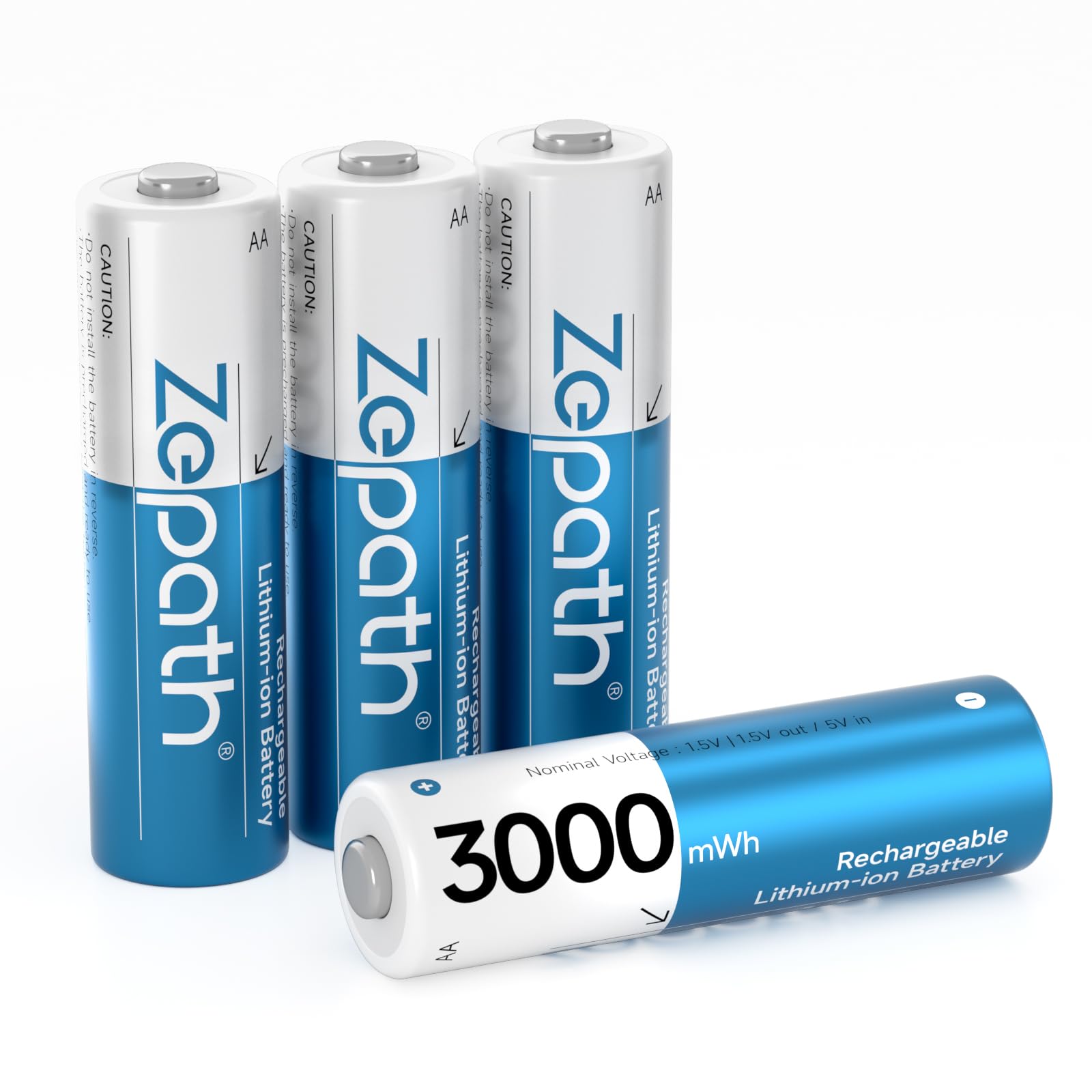
Furthermore, there's a recurring theme concerning the battery's 1200mAh capacity. When placed against the backdrop of modern smartphones, which often pack 3000mAh or more into similarly sized chassis, users naturally question the output and longevity of this Uxney cell. Our research suggests that whilst it can deliver acceptable charge duration – with some reporting over 12 hours of use in lighter applications – its performance envelope is clearly defined. It is decidedly not suited for high-rate discharge tasks, ruling it out for applications like powering drones or demanding hobbyist electronics. For those seeking higher capacity rechargeable lithium options, alternatives like the Zepath AA Rechargeable Batteries offer significantly more mAh, albeit in a different form factor, illustrating the potential for greater energy density elsewhere in the market. From a value perspective, the Uxney battery occupies a budget to mid-range tier. Its current price point, further sweetened by a 24% discount, makes it an attractive proposition on paper. However, the "best bang for buck" is heavily conditional. If you've precisely measured your device's battery compartment and confirmed the connector type and dimensions, and your application is low-drain, then it might indeed be a smart buy. But the risk of encountering the reported fitment issues means it's not a universally recommended solution. For general-purpose battery needs, one might look at established brands like Amazon Basics or Duracell for AA/AAA cells, though these serve entirely different device categories. The VARTA CR2450 and Generic CR1616 button cells highlight the vast array of battery types available, none of which directly compete with this specific Li-Po replacement cell but underscore the importance of matching form factor and function. Ultimately, the Uxney 3.7V 1200mAh battery is a product with a specific use case. Its 4.1-star average rating is somewhat misleading without understanding the context of the complaints. It can repair a device, and it can hold a charge for a respectable period for certain tasks. But the connector compatibility and discharge limitations mean it requires careful consideration and potentially some DIY effort. Buyers should be aware of these potential hurdles before committing.