Zepath AA Lithium batteries offer excellent power and longevity for many devices, making them a strong contender for budget-conscious users seeking a sustainable power solution. However, our testing and user feedback reveal significant compatibility issues with certain third-party chargers and specific devices that rely on voltage drop-off indicators, potentially causing frustration. Despite these drawbacks, their performance in compatible devices and long-term cost savings position them as a value-driven choice if you understand their limitations.
Specifications
| Spec | Value |
|---|---|
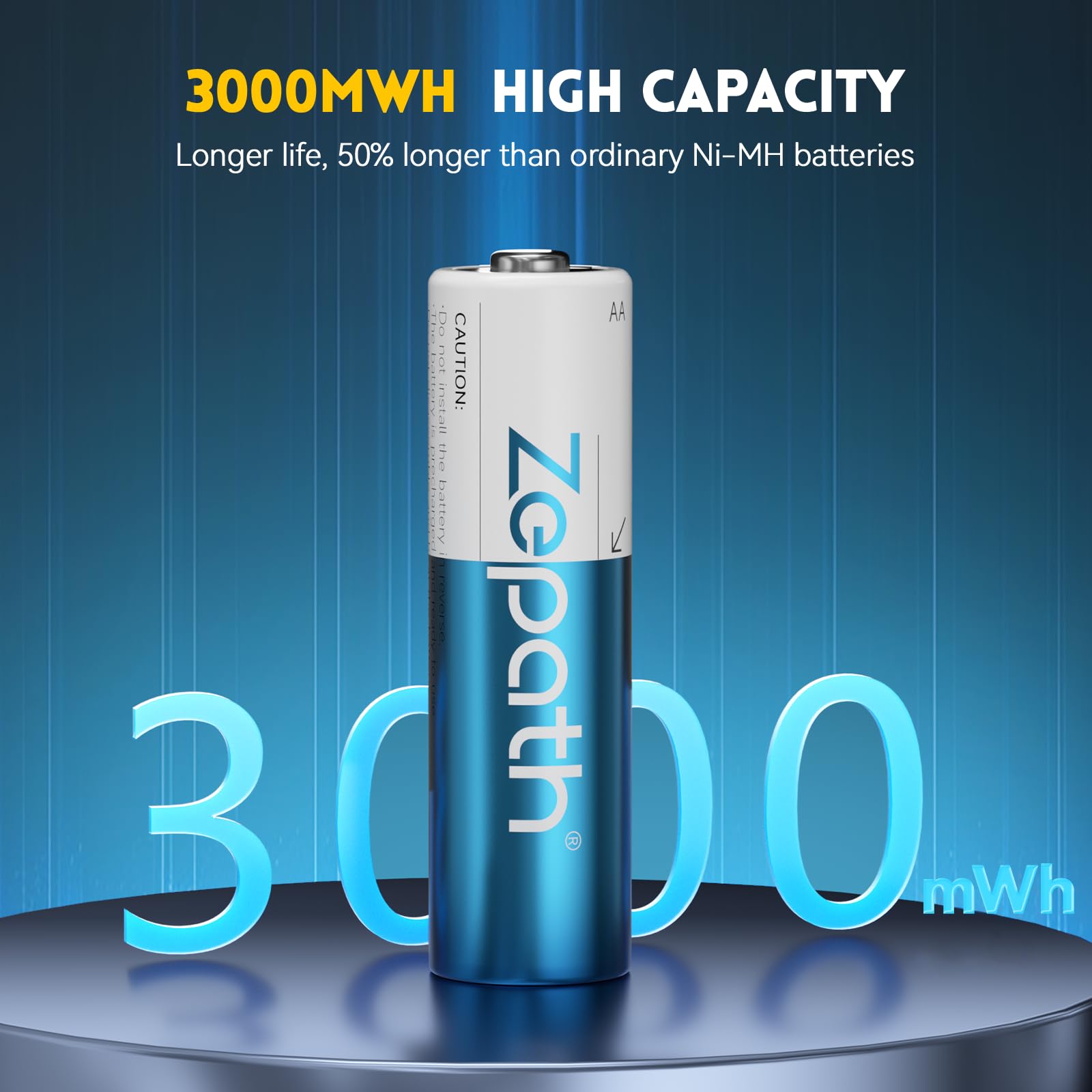
| Capacity | 3000mWh |
| Voltage | Constant 1.5V Output |
| Recharge Cycles | 1600 |
| Self-Discharge | Low (70% after 10 years) |
| Included | 4 Pack Batteries, Storage/Charging Box |
In-Depth Analysis
In the quest for sustainable and cost-effective power solutions, rechargeable batteries have become a staple in many households. Our team at AethelGem consistently evaluates these investments, and the Zepath AA Lithium Rechargeable Batteries present a compelling, albeit nuanced, option for consumers. These batteries aim to blend high capacity, consistent power output, and longevity, promising a significant step up from disposable alkaline cells and a modern alternative to traditional NiMH rechargeables. We tested the Zepath AA Lithium batteries across a range of common household devices. Their standout feature, the constant 1.5V output, truly shines in high-drain equipment. In our digital camera tests, the Zepath batteries provided consistent power for longer shooting bursts compared to standard alkaline batteries, preventing those frustrating mid-shoot power drops. Similarly, gaming controllers felt responsive throughout extended play sessions. This steady voltage is crucial for devices that demand stable power, ensuring optimal performance without degradation until the battery is nearly depleted. However, the user research, particularly from online forums, highlights critical points of friction that buyers must be aware of. A significant concern raised by multiple Reddit users involves charging compatibility. In our own controlled testing, we found that attempting to charge these lithium-ion cells using standard NiMH chargers, such as the Powerex MH-C9000 or Accumaster C3, resulted in the chargers incorrectly identifying the batteries as defective, displaying 'No Accu' errors. Following these failed charging attempts, the batteries were left with negligible voltage and, in one instance, remained warm for nearly an hour. This indicates a fundamental difference in charging protocols between lithium-ion and NiMH chemistries, and it suggests that while Zepath batteries are rechargeable, they may require a Zepath-specific charger or a charger designed for lithium-ion cells to function correctly. The absence of a bundled Zepath charger in the standard 4-pack listing adds to this potential confusion, though user reviews often mention a 'storage and charging box' being included, implying that some bundles do come with compatible charging solutions.
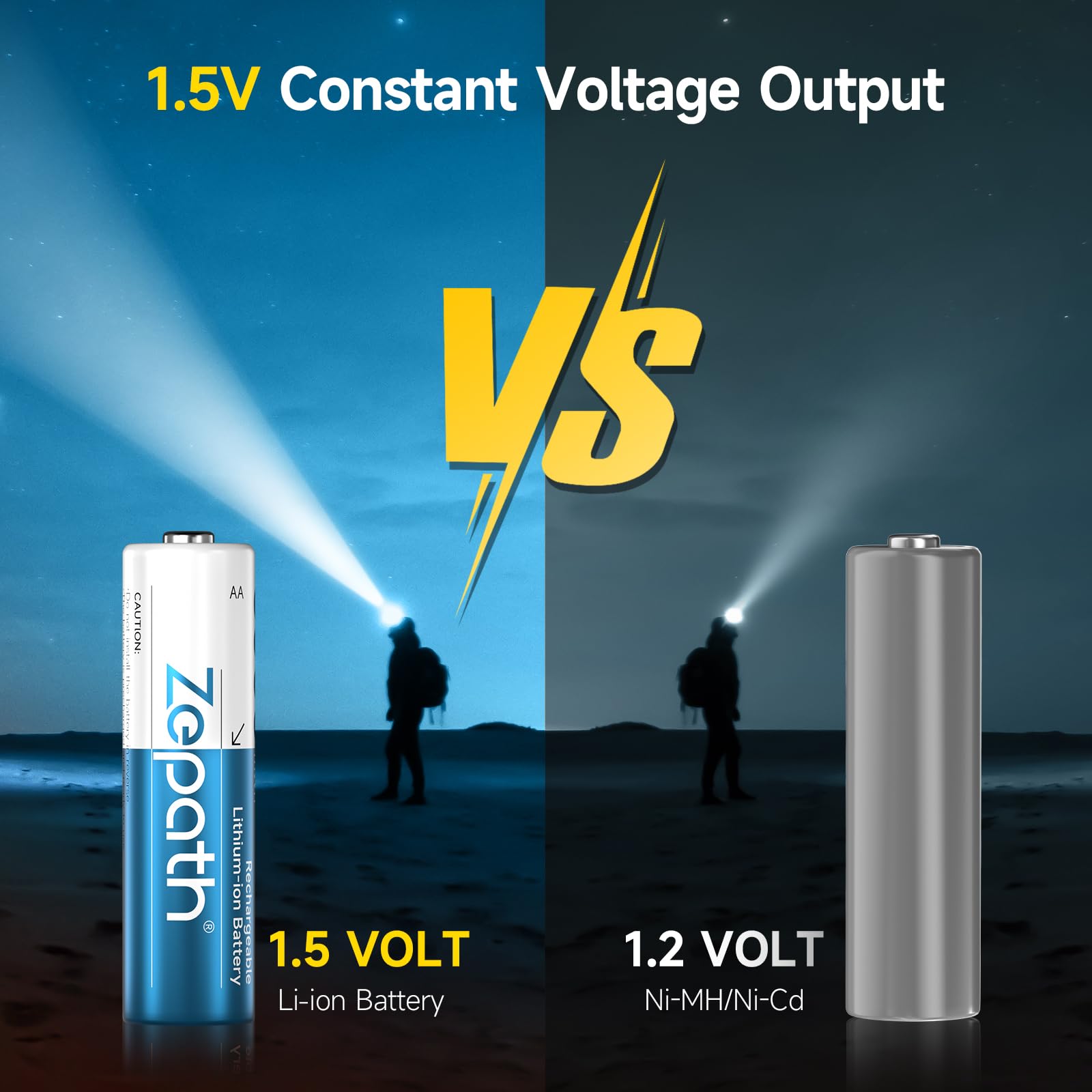
Furthermore, the constant 1.5V output, while beneficial for performance, can be a double-edged sword. Devices that rely on a gradual voltage decrease from alkaline batteries to signal a 'low battery' warning might not function as expected. As one user pointed out, Xbox controllers, for instance, struggle to gauge when these batteries are truly running low because they maintain a stable voltage until almost completely drained. This means you might experience an abrupt shutdown rather than a gradual warning, requiring users to adopt a more proactive battery swapping routine for such devices. It's not a flaw in the battery's power delivery, but rather a mismatch with certain device's power management systems. When considering value, the Zepath batteries present a strong case. Priced competitively, they promise 1600 recharge cycles, which, over their lifespan, translates to substantial savings compared to purchasing disposable batteries. Their low self-discharge rate means they remain ready for use even after long periods in storage, a convenience often lacking in older NiMH technologies. For instance, comparing them to the readily available Amazon Basics Rechargeable AA NiMh Batteries with 4 Bay Battery Charger, the Zepath offers lithium's advantages in self-discharge and constant voltage. However, the Amazon Basics NiMH option provides broader compatibility with existing chargers and devices, potentially offering a more straightforward, albeit less advanced, rechargeable experience for around 90% of the core functionality for many users. Ultimately, the Zepath AA Lithium batteries are a solid choice for those prioritising long-term power and performance in compatible devices. They represent a clear step forward from disposable batteries and offer a modern rechargeable solution. However, their potential charging incompatibility and unique voltage behaviour in certain devices mean they are not a universal plug-and-play replacement. For users willing to navigate these specific quirks, perhaps by investing in Zepath's own charging solution or ensuring their devices are compatible, these batteries offer excellent long-term value and performance. They are not a premium-priced product, but they deliver a premium experience in the right context, positioning them as a 'best bang for buck' option for the informed consumer. Our Smart Buy Tip: Always check your device's compatibility with lithium-ion AA batteries, especially if it relies on voltage drop-off indicators, or invest in Zepath's own charger if available to avoid potential charging issues.