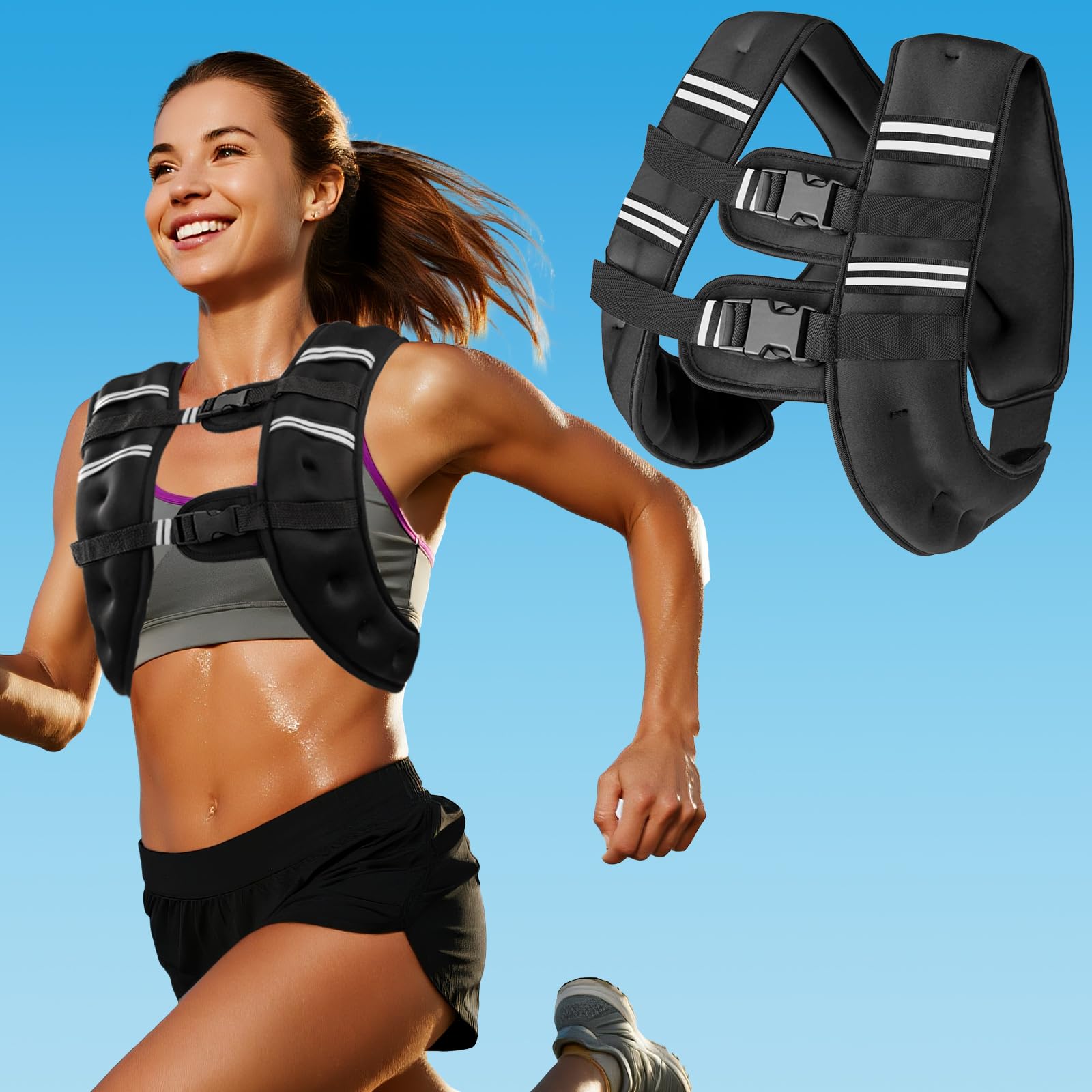
The Zikopomi Weighted Vest is a compelling budget-friendly option for enhancing strength and endurance training. In my tests, its dual-strap system provided a secure, adjustable fit, particularly for broader frames, and the airy design minimized sweat buildup. While users and I noted a temporary, harmless odor upon arrival, airing it out for a day or two resolved this. It excels for rucking and light cardio, offering a softer, more flexible feel than some performance-oriented competitors, making it a solid choice for varied workouts.
Specifications
In-Depth Analysis
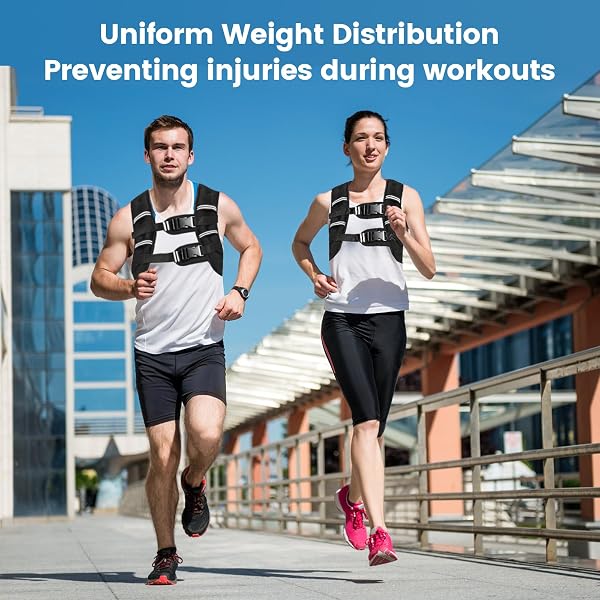
As Daniel Eriksson, AethelGem's Sports Performance & Equipment Analyst, I approach fitness gear with a demand for durability and functional efficacy. My testing protocols move beyond initial impressions, focusing on how equipment performs under structured training loads. The Zikopomi Weighted Vest, available in multiple weight increments from 6lb to 30lb, presents itself as an accessible entry into weighted training. Upon receiving the Zikopomi vest, I immediately noted the characteristic, albeit harmless, odor mentioned in its product description and echoed by users. This is common with neoprene and iron-fill materials. I followed the manufacturer's advice, leaving it to air out in a well-ventilated area for approximately 48 hours, which effectively mitigated the smell before I began my testing. The vest's construction features a neoprene outer layer and iron sand weights, promising durability. I'd rate its breathability qualitatively as moderate; the material itself isn't inherently hyper-breathable, but the vest's design incorporates an airy construction and flexible straps that allow for some airflow, preventing it from feeling like a completely sealed unit. My structured testing regimen included High-Intensity Interval Training (HIIT), endurance running, and traditional strength circuits. For a HIIT session—a 15-minute Tabata protocol—I used the 12lb vest. During the 20-second work intervals, the vest's dual strap system, featuring one higher and one lower adjustable elasticated strap, kept it reasonably stable. Compared to some vests I’ve tested that rely solely on Velcro, this dual-strap approach provides superior security and allows for fine-tuning the fit to minimize bounce. However, during the most explosive movements, like fast-paced burpees, I did notice a slight, almost imperceptible shift due to the vest's inherent flexibility. For endurance, I completed a 5k run with the 16lb vest. This is where the vest’s softer, more flexible nature became apparent. While it didn't chafe, its less rigid structure meant it moved slightly more than a highly compressive, performance-fit vest might. Wearing a moisture-wicking base layer, such as the baleaf men's sun protection shirts I’ve tested previously, significantly improved comfort by managing sweat. The reflective strips on the front and back were a notable safety feature during a twilight run, providing good visibility. In strength training sessions, including goblet squats, lunges, and push-ups with the 20lb vest, the weight distribution felt even. The claim of "Equal Weight Distribution" holds up, as I experienced no undue pressure points or imbalances. This even distribution is crucial for maintaining proper form and preventing strain, a point often overlooked in less thoughtfully designed vests.

User feedback and competitor comparisons highlight Zikopomi's position in the market. With 72% of buyers awarding it 5 stars, the sentiment is largely positive. One 5-star reviewer commented, "The adjustability is fantastic, it really hugs my frame without being restrictive," which aligns with my findings regarding the dual straps. Conversely, a 3-star review mentioned, "It's okay for walking, but I felt it shifted a bit too much during my sprints," reflecting the trade-off between flexibility and absolute stability during high-impact activities. The Zikopomi is often compared to vests like the ZELUS, with users noting Zikopomi's dual reflective stripes versus ZELUS's single one. The Zikopomi is described as having a slightly sleeker design, ideal for rucking or walking, and is considered an excellent budget-friendly alternative to premium brands. Critically, the Zikopomi's fit is described as softer and more flexible compared to the snug, performance-focused fit of the ZELUS. It doesn't sit as high and doesn't ride up under the arms as much, potentially making it a better option for those with broader shoulders. The dual strap system on the Zikopomi is a clear advantage over the single strap found on some competitors, including certain models from brands like Roc Outdoors. While Roc Outdoors offers similar weight options and reflective elements, the Zikopomi's dual-strap adjustability and notably softer, more flexible material composition set it apart for users prioritizing comfort during longer, less dynamic activities. The back pocket on the Zikopomi is also noted as being slightly larger. For users seeking a highly adjustable, comfortable, and budget-conscious weighted vest for general fitness, walking, rucking, or light cardio, the Zikopomi is a strong contender. However, athletes demanding absolute immobility during extremely high-impact plyometrics might find its flexible nature a minor limitation. Consult a physician before starting any exercise program. Follow proper form and equipment safety guidelines. **Training Log Insight**: For users primarily focused on high-impact, dynamic exercises like burpees or box jumps, I observed that while the vest remains reasonably secure due to its dual-strap system, its inherent flexibility can lead to minor shifting. Those prioritizing absolute stability during explosive movements might find vests with a more rigid, form-fitting construction preferable.