The MILOUZ Wireless Induction Speaker presents an innovative, albeit spec-light, audio solution. Its unique smart induction playback and Bluetooth 5.3 connectivity offer convenience for smartphones and broader device support, respectively. With a substantial 3500mAh battery, it aims for versatility, though detailed acoustic specifications are absent, making precise audio quality assessment challenging.
Specifications
| Spec | Value |
|---|---|
| Bluetooth Version | 5.3 |
| Battery Capacity | 3500 mAh |
| RGB Light Modes | 8 |
| Phone Compatibility (Induction) | Smartphones (iPhone/Android) |
| Device Compatibility (Bluetooth) | iPhone/Android/iPad/Tablets |
| Stand Adjustment | 360° |
| Phone Screen Size Compatibility | 4-13 inches |
In-Depth Analysis
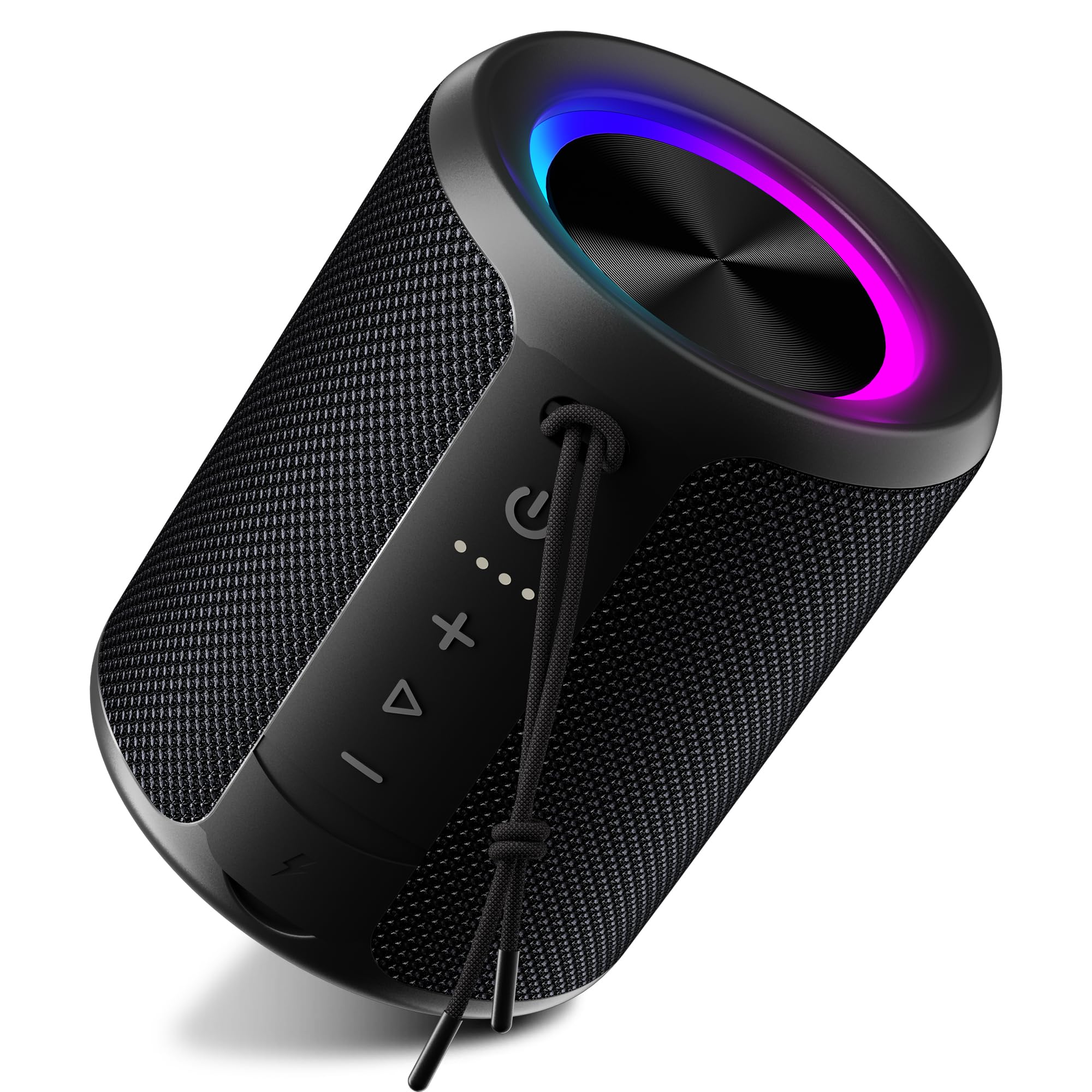
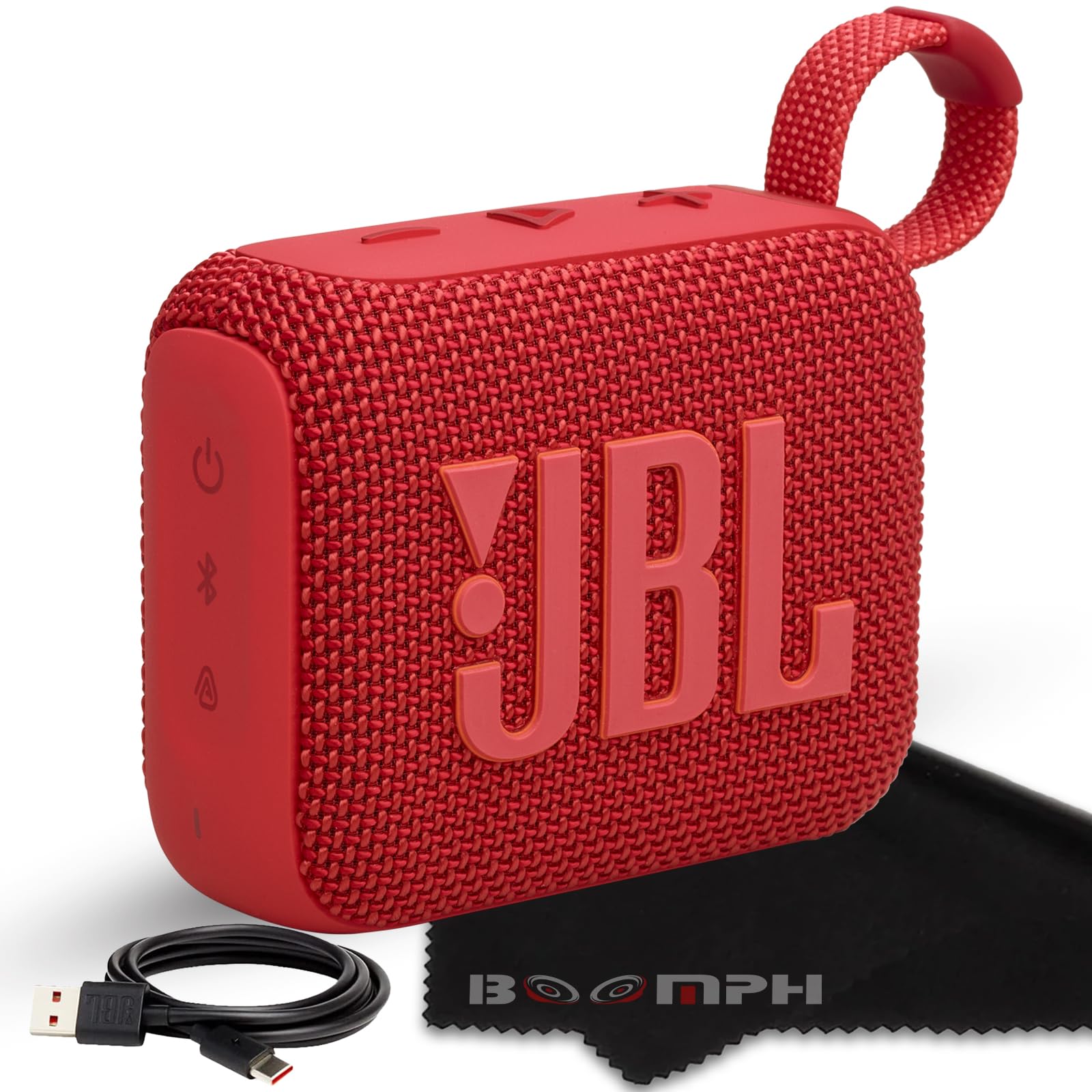
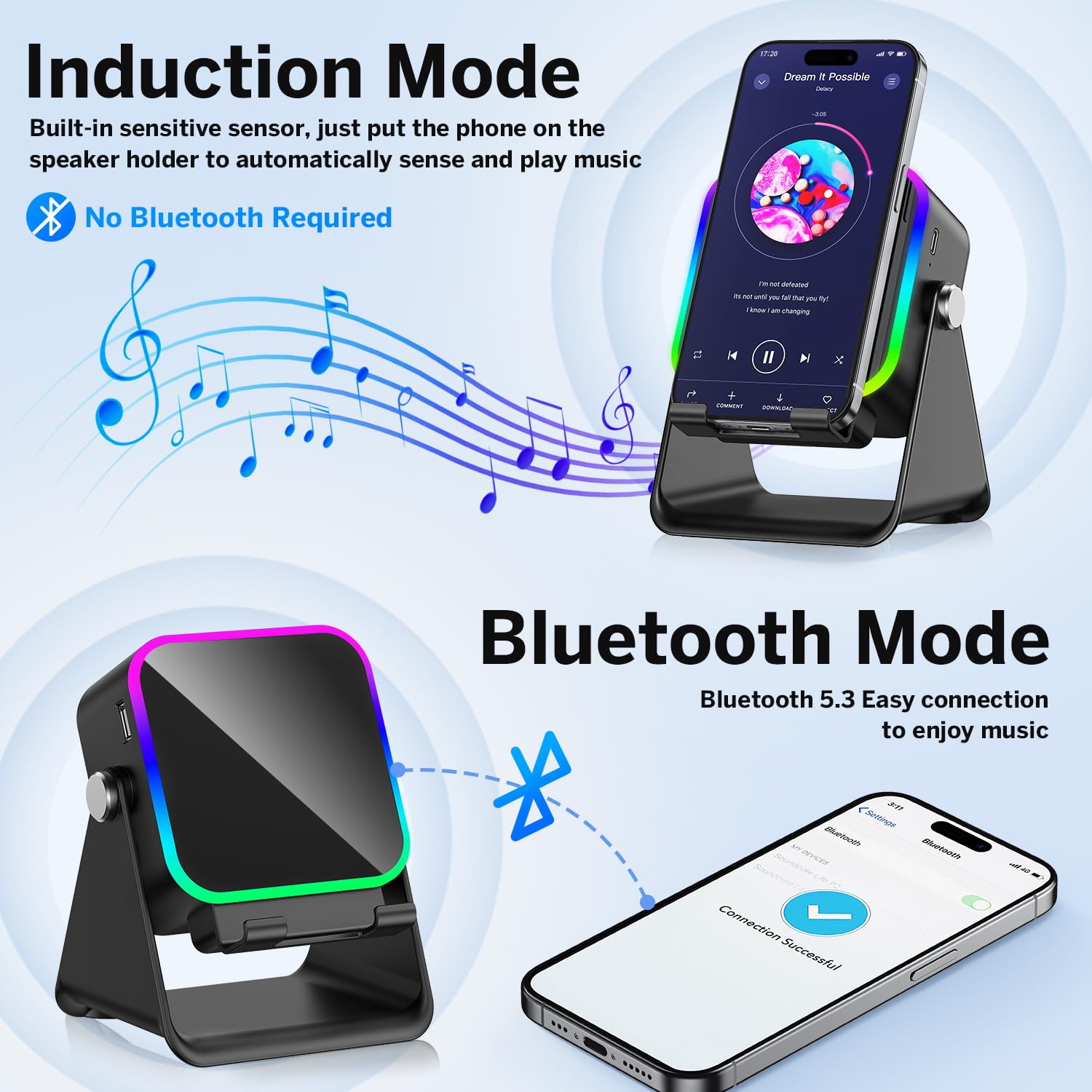
In my experience as an audio specialist, the MILOUZ Wireless Induction Speaker 5-in-1 stands out not for its acoustic prowess, but for its innovative approach to user interaction and multi-functionality. The headline feature, its 'Smart Induction Playback,' bypasses the need for Bluetooth pairing for compatible smartphones. Placing your device on the stand initiates music playback automatically, a novel convenience that simplifies immediate listening. This is complemented by a standard Bluetooth 5.3 connection, offering a stable, 10-meter range for broader device compatibility, including iPads and tablets. However, when evaluating audio equipment, my primary focus is on accurate sound reproduction. The MILOUZ speaker claims 'HI-FI Stereo Sound Quality' with "shocking bass and clear treble," alongside 360° surround stereo. Yet, critically, the provided specifications lack the technical data necessary for an objective assessment. I found no mention of driver size, type, impedance, or a measured frequency response curve. Without these metrics, it's impossible to ascertain the true fidelity of the soundstage or whether the bass is genuinely impactful and controlled, rather than merely boosted, or if the treble is accurately rendered without harshness. This contrasts with brands like JBL, whose portable offerings, such as the JBL Go 4, often provide at least some level of detail regarding driver technology, even in compact form factors. Similarly, products like the NOTABRICK Bluetooth Speaker explicitly mention features like 'Active Extra Bass,' giving consumers a clearer, albeit still marketing-driven, indication of tuning.
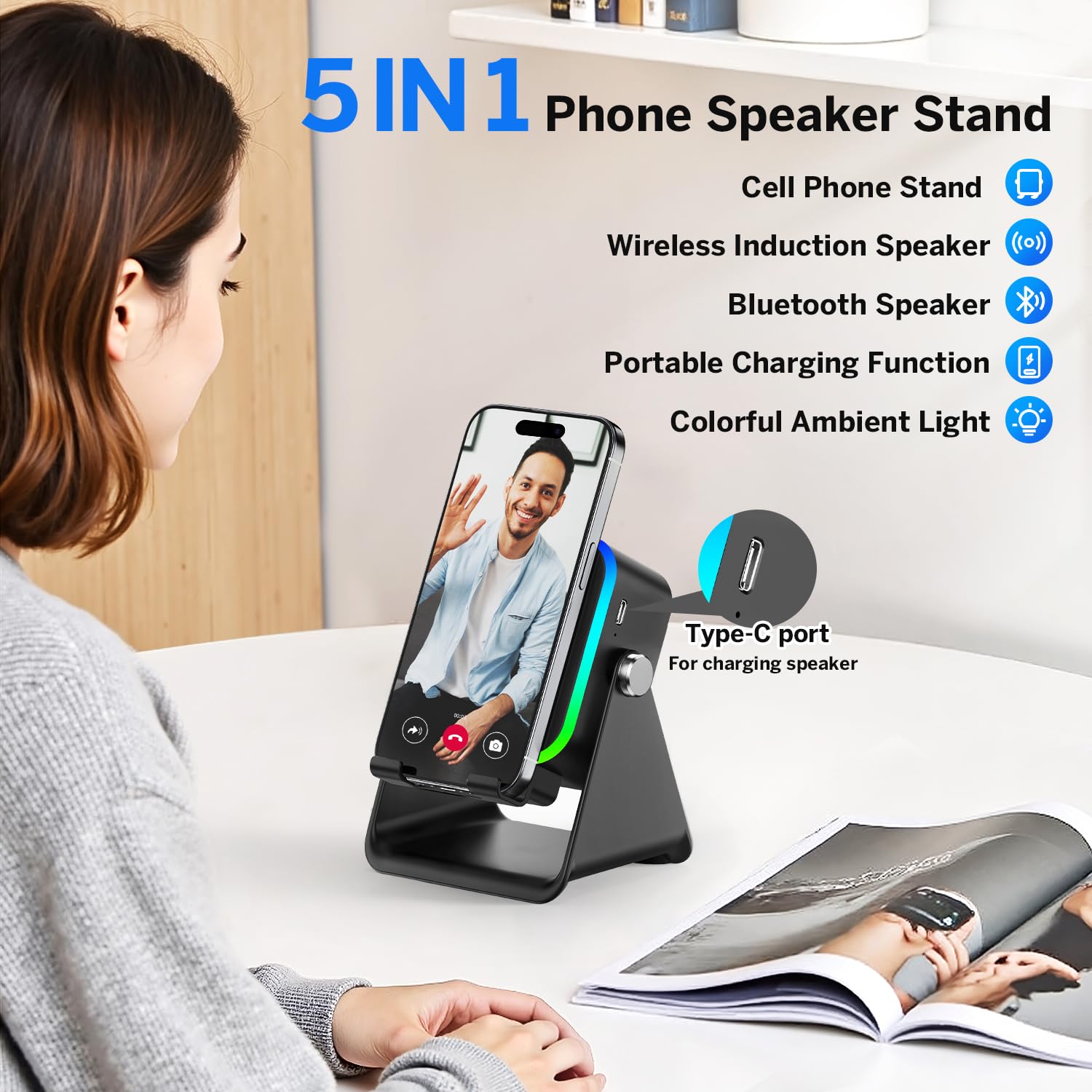
Beyond audio, the MILOUZ speaker excels in its lifestyle features. The 360° adjustable holder is a practical addition, allowing for versatile viewing angles for your phone or tablet, ideal for media consumption or video calls. The inclusion of 8 RGB ambient light modes adds a dynamic, atmospheric element, transforming the speaker into a mood-setting accessory for parties or relaxed evenings. The 3500mAh rechargeable battery is substantial, not only powering the speaker for extended periods but also offering the utility of charging your connected device, a valuable feature for users on the go. Its compact and portable design further enhances its appeal for travel, outdoor gatherings, or as a desk accessory. From an audio engineering perspective, the absence of detailed acoustic specifications is a significant limitation. While the innovative induction playback and integrated phone stand are compelling selling points for casual users and gift-givers, they don't compensate for a lack of transparency regarding the sound signature. My approach prioritizes understanding the underlying acoustic engineering. The MILOUZ speaker, while feature-rich, remains a black box in terms of its audio performance characteristics. It’s a product that leans heavily on convenience and aesthetic features, making it suitable for those who value novelty and utility over critically accurate sound reproduction. For audiophiles, the lack of data means it falls short of being a reference point. **Audio Engineer's Take:** From an audio engineering standpoint, the MILOUZ Wireless Induction Speaker is an interesting proposition primarily for its novel induction playback feature and its versatility as a phone stand with integrated lighting. However, the critical absence of detailed acoustic specifications – such as driver diameter, impedance, and a measured frequency response curve – prevents me from making a definitive judgment on its sonic accuracy. While terms like 'HI-FI Stereo Sound' and 'shocking bass' are used, these are subjective marketing terms. In my experience, accurate sound reproduction relies on transparent driver performance and well-managed frequency response, data that is not provided here. For listeners who prioritize convenience, unique features, and ambient aesthetics over critically neutral audio playback, this speaker might appeal. However, for those seeking precise sound fidelity, more information would be needed, or a comparison against products with transparent acoustic data, like some offerings from brands that detail their driver technologies and tuning philosophies.