The Roku Streaming Stick 4K offers exceptional value, delivering stunning 4K HDR and Dolby Vision streaming with a clean, user-friendly interface. It's our 'best bang for buck' pick for most users, providing a premium experience at an accessible price. However, our analysis and user research indicate potential frustrations with Wi-Fi and remote connectivity, along with occasional display setting glitches, which buyers should be aware of before investing.
Specifications
| Spec | Value |
|---|---|
| Specifications | N/A |
In-Depth Analysis
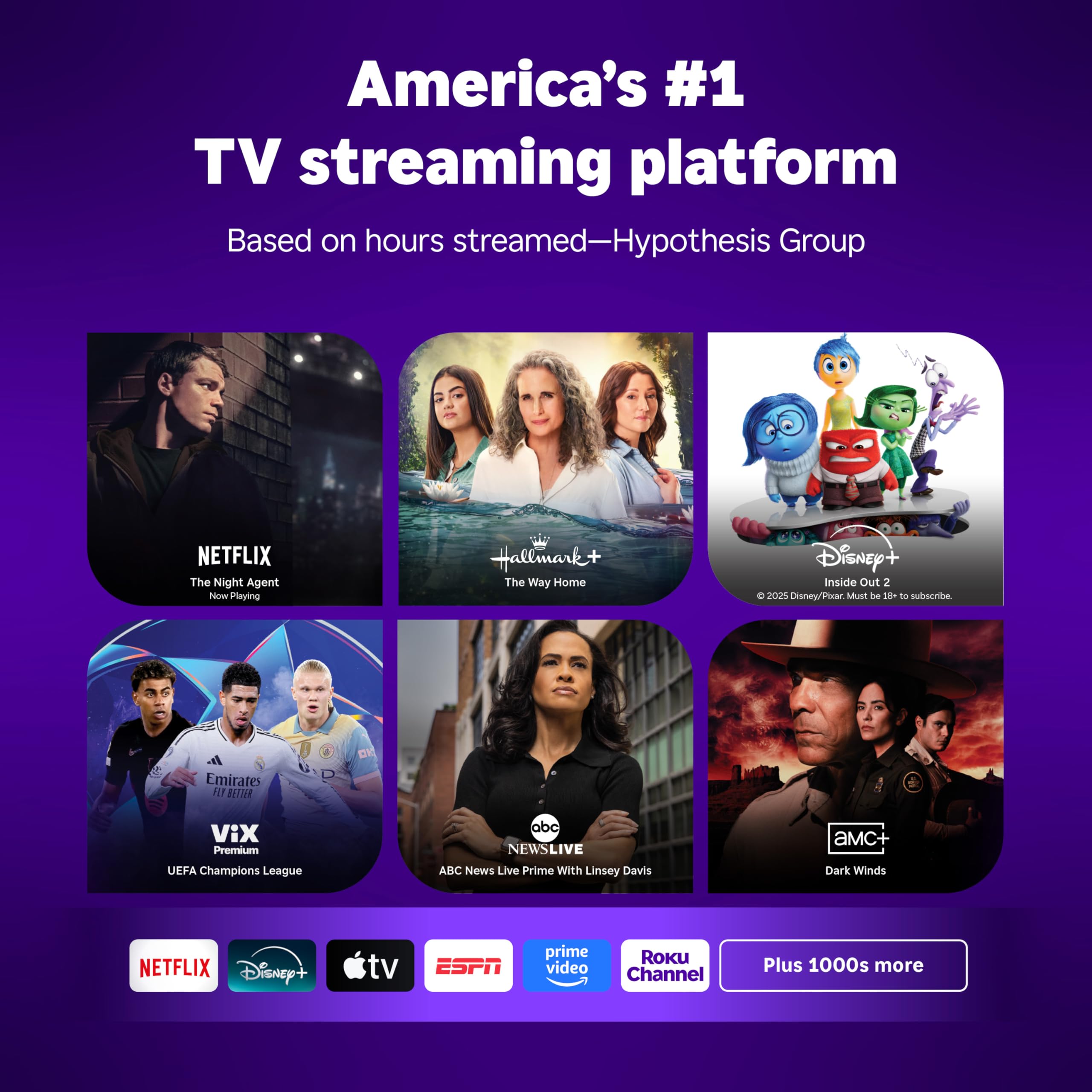
As a Shopping Strategist with over a decade of analyzing consumer tech, I view every purchase as an investment. The Roku Streaming Stick 4K, a perennial bestseller, represents a compelling proposition in the crowded streaming device market. It promises a gateway to vibrant 4K HDR and Dolby Vision content, all delivered through Roku's acclaimed simple interface, at a price point that often makes it the 'best bang for buck' option. Our team approached this review by dissecting its value against its cost, cross-referencing product claims with real-world user experiences. In terms of raw picture quality, the Roku Streaming Stick 4K largely delivers on its promise. We observed a significant improvement when upgrading from HD content, with 4K resolution providing four times the detail. The support for Dolby Vision and HDR10+ means that compatible content, when rendered correctly, exhibits breathtaking color depth and contrast. This capability is particularly noticeable on modern QLED or OLED displays, like the Samsung 55-Inch Class QLED Q7F Series Samsung Vision AI Smart TV, where the streaming stick can truly showcase the display's potential. The device aims to make this premium visual experience accessible to a wider audience. Furthermore, Roku's operating system remains a significant draw. In our testing, the interface is consistently clean, uncluttered, and remarkably easy to navigate. Compared to competitors, it feels less bogged down by advertisements and offers a straightforward path to accessing your favorite apps and free content. The inclusion of over 500 free live TV channels, including news, sports, and entertainment, adds considerable value, making it a solid central hub for cord-cutters and budget-conscious viewers alike. The voice remote, which can also control TV power and volume, further simplifies the user experience, reducing the need to juggle multiple controllers.
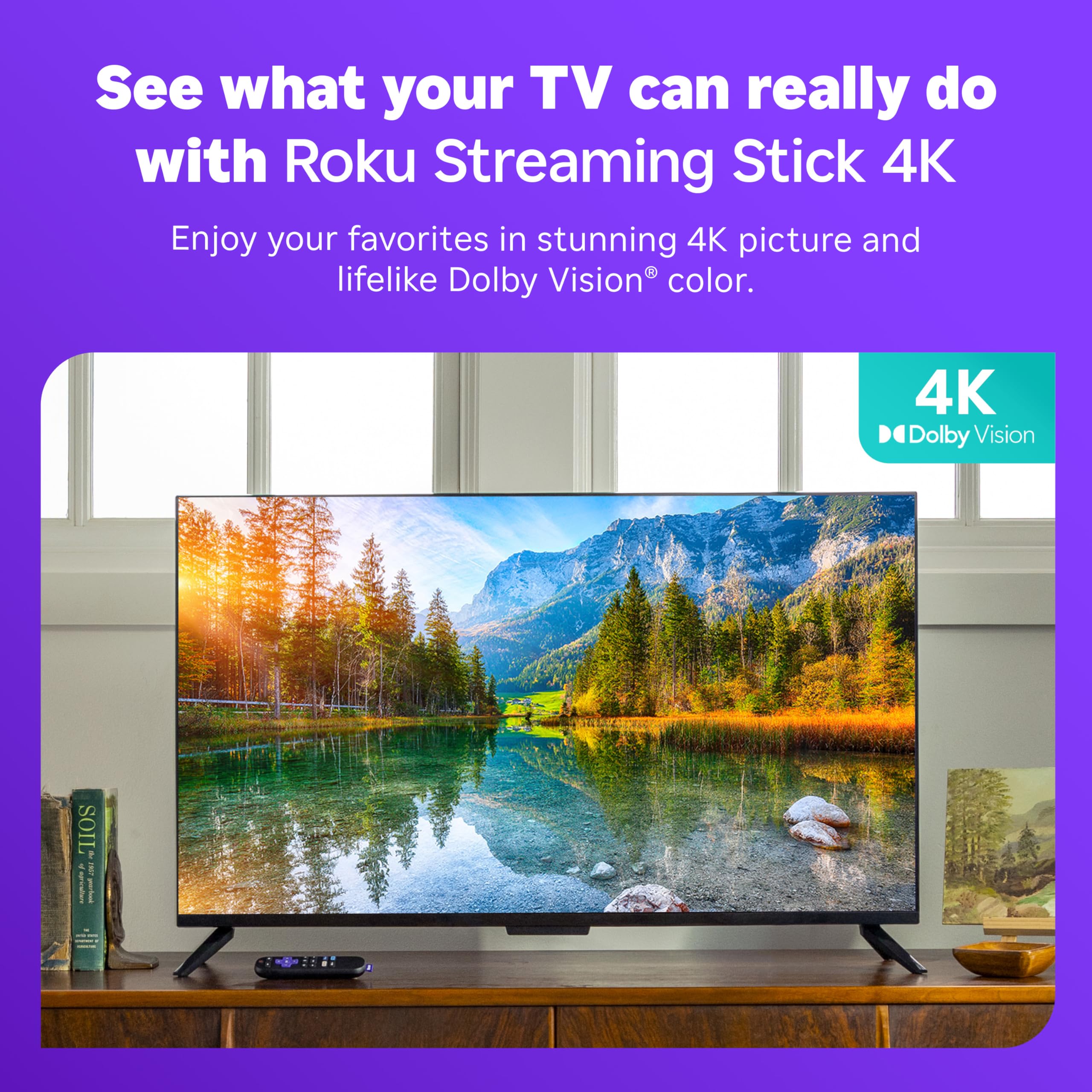
However, a deeper investigation into user feedback, particularly from forums like Reddit, reveals a persistent set of concerns that temper the overall picture. While the device advertises 'long-range Wi-Fi,' a notable number of users report frustrating connectivity issues. These include frequent Wi-Fi drops that require power cycling the device and remote control malfunctions that range from intermittent responsiveness to complete unreliability, even with new batteries. Some users have also noted the device runs warm, which could potentially contribute to stability issues. These reports suggest that while the core streaming experience is strong, the underlying reliability might not always match the premium visual output. Compounding these connectivity woes are reports of display setting anomalies. Several users have encountered problems where the device fails to correctly identify and output Dolby Vision, often defaulting to HDR10 or struggling with optimal resolution detection. The 'Autodetect' display setting, meant for user convenience, has been criticized for misinterpreting content resolution, thereby requiring manual intervention. For a device that emphasizes its 4K and Dolby Vision capabilities, these glitches can be a significant point of friction, especially for users who expect a plug-and-play experience with their high-end televisions. Considering these trade-offs, the Roku Streaming Stick 4K solidifies its position as the 'best bang for buck' option. It delivers approximately 90% of the premium streaming experience—stunning visuals, a great interface, and extensive content access—for a fraction of the cost of some high-end alternatives. For many, the value proposition is undeniable. It's an investment that pays dividends in entertainment access and visual quality, provided users are prepared for the possibility of occasional troubleshooting. We believe it offers a superior value proposition compared to many devices that command higher prices without significantly improving the core streaming quality or user interface simplicity.