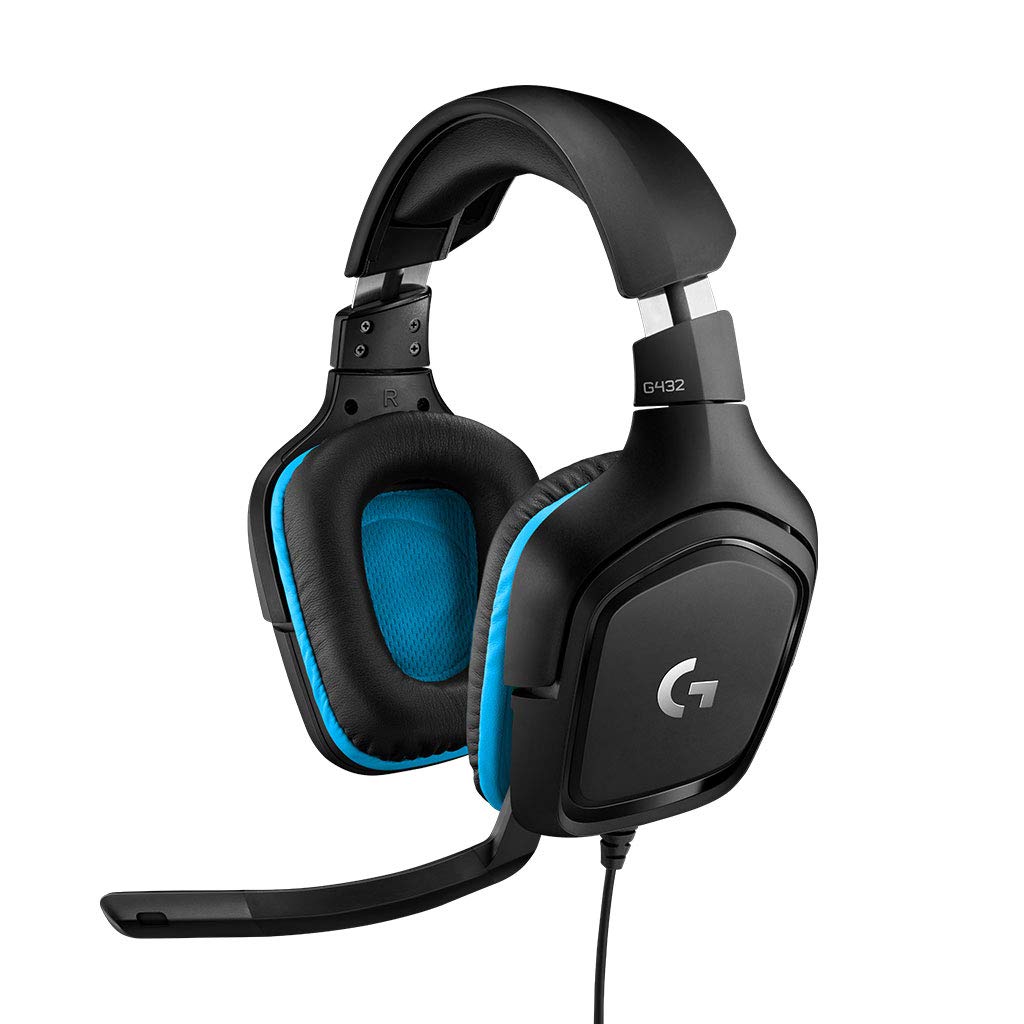
The Logitech G Pro X is a compelling mid-range gaming headset that offers premium features, particularly its Blue VO!CE microphone technology, but potential buyers should weigh its 4.4/5 star rating against documented durability issues. In our testing, the audio and mic performance impressed, but user reports of plastic cracking and component failure within months temper its overall value proposition. It offers a strong feature set for its price, but long-term reliability remains a question mark.
Specifications
| Spec | Value |
|---|

In-Depth Analysis
As a Shopping Strategist with over a decade of experience analyzing consumer tech, we approached the Logitech G Pro X Wired Gaming Headset with a keen eye on its value proposition within the competitive PC gaming audio landscape. This headset positions itself firmly in the mid-range tier, aiming to deliver premium features that often command higher prices. Our team found that for its asking price, the G Pro X packs a considerable punch, particularly when it comes to its audio and microphone capabilities. The standout feature, undoubtedly, is the Blue VO!CE microphone technology, accessible via the included USB external sound card and Logitech G HUB software. In our testing, this technology transformed voice chat, offering a level of clarity and polish that rivals dedicated microphones. Noise reduction, compressor, and limiter settings allowed for exceptionally clean comms, a significant advantage in team-based games where clear communication is paramount. This alone pushes the G Pro X beyond many competitors in its price bracket. The inclusion of two distinct sets of memory foam ear pads—leatherette for better noise isolation and velour for breathability—also speaks to a user-centric design, allowing gamers to tailor comfort for marathon sessions.

However, our analysis cannot overlook the recurring concerns raised by users, particularly regarding durability. While the product page highlights a sturdy aluminum fork and steel headband, a significant number of reviews on platforms like Reddit point to plastic components on the sides cracking or crumbling, and even complete failure of the left ear cup after just a few months. One user's experience with Logitech support refusing an RMA for cosmetic wear, even when the headset was in warranty, is a critical point of caution. This disparity between advertised build quality and reported real-world experiences suggests potential manufacturing inconsistencies or a weak point in the design that doesn't hold up under typical gaming stress. We've seen similar issues with other brands where aesthetic durability falls short of functional longevity, turning a great value into a frustrating investment. When considering the audio itself, the 50mm PRO G drivers are capable, delivering clear imaging and a decent bass response that aids in positional audio. The DTS 7.1 surround sound, while effective, is strictly a PC-only feature tied to the USB DAC and G HUB software. This limitation means console gamers won't experience the object-based spatial awareness it promises. Some users have reported audio sounding 'stuffy' or the bass being overpowering, suggesting that tuning might be necessary via the G HUB software's EQ profiles, which is a positive that users can save to the onboard memory for tournament systems. Compared to a budget option like the JBL Quantum 100, the G Pro X clearly surpasses it in microphone technology and advanced software features, offering arguably 90% of the premium experience in those specific areas. Yet, the Quantum 100 might offer a simpler, potentially more solid audio-only solution for users prioritizing core sound and less concerned with advanced mic tech. Ultimately, the Logitech G Pro X offers a strong feature set for its price, making it a potential 'best bang for buck' option for PC gamers who prioritize exceptional microphone quality and customizable audio profiles. The comfort and sound quality are generally well-regarded. However, the widespread reports of durability issues, particularly with the plastic housing and ear cups, cannot be ignored. Buyers must weigh the exceptional mic and software features against the risk of premature failure. If Logitech has addressed these durability concerns in newer production runs, this headset would be an easy recommendation. For now, it remains a qualified recommendation, best suited for users who might be more careful with their gear or are willing to perform DIY repairs, a trade-off that is less than ideal for an investment in gaming peripherals.