Pedigree Vitality+ is a popular, budget-friendly choice for many adult dogs, but significant ingredient concerns and reported digestive issues warrant careful consideration. Our review found that while 4.6 out of 5 stars from 488 buyers suggests general satisfaction, a segment of users experienced severe adverse reactions, including vomiting and diarrhea. Concerns are frequently raised about the inclusion of BHA, BHT, and high carbohydrate levels. While many dogs eagerly consume this food, owners prioritizing premium ingredients and maximum digestive safety may wish to explore alternative brands despite Pedigree's affordability and wide appeal.
Specifications
| Spec | Value |
|---|---|
| Weight | 8 kg |
| Flavour | Hearty Beef & Vegetable |
| Target Age | Adult Dogs |

In-Depth Analysis
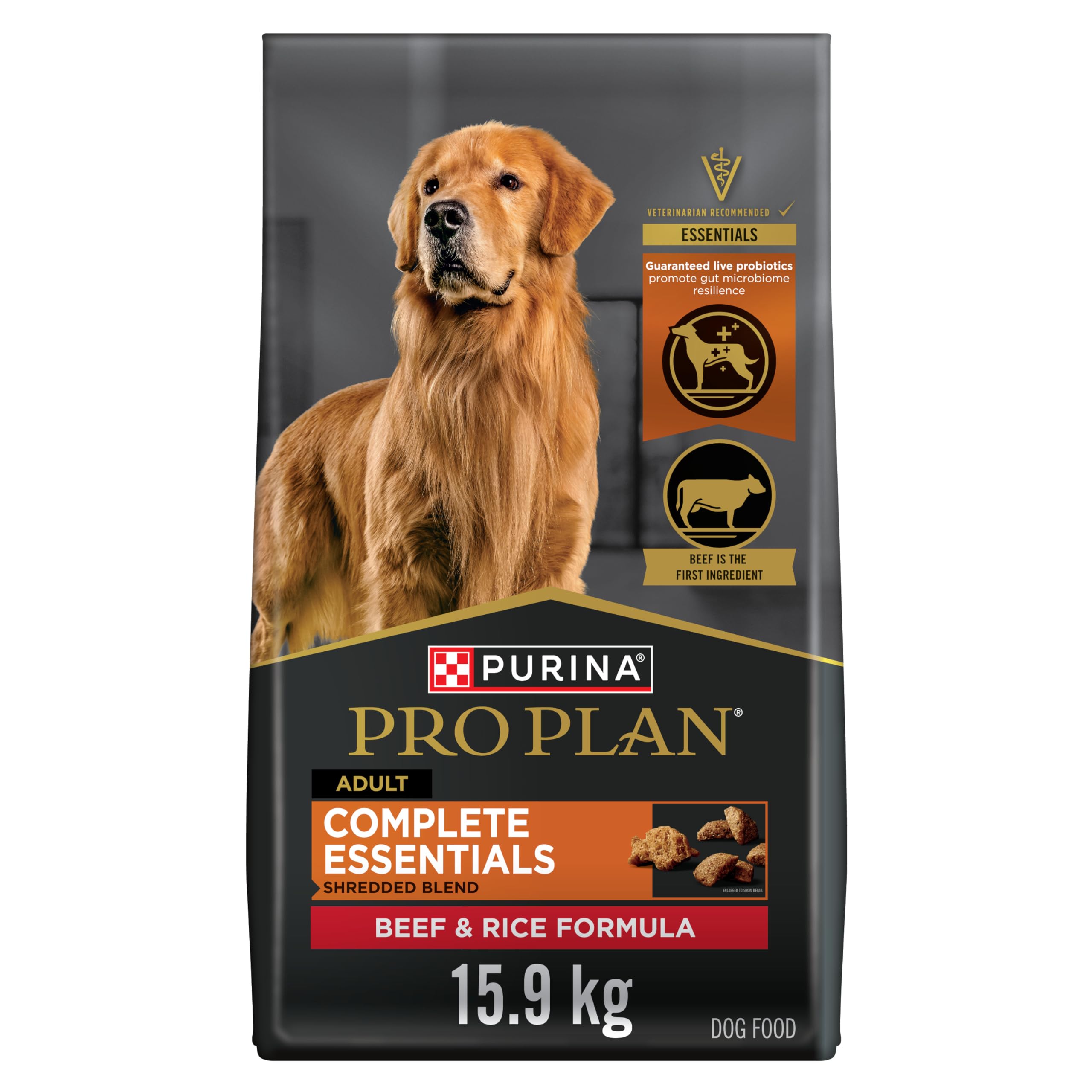
As the Family Products & Child Safety Editor at AethelGem, my team and I approach every product with a singular focus: safety first. While our usual remit involves cribs and car seats, we extend this rigorous standard to family pets, recognising they are integral members of the household. When evaluating dog food like Pedigree Vitality+, we scrutinise ingredient lists, manufacturing practices, and, crucially, the real-world experiences of pet owners. The Pedigree brand holds significant market presence, and this Vitality+ formula, with its Hearty Beef & Vegetable flavour, is a best-seller that garners a respectable 4.6 out of 5 stars based on 488 reviews. On the surface, these metrics suggest a product that largely meets consumer expectations, and indeed, many users report their dogs eagerly devour the kibble. However, our research, drawing from extensive user feedback on forums and reviews, reveals a pattern of significant concerns that cannot be overlooked. Foremost among these are the ingredients themselves. A recurring complaint centres on the high carbohydrate content, with some analyses suggesting it constitutes over 50% of the food. While carbohydrates provide energy, a diet excessively reliant on them can be problematic for some dogs. More alarming are the mentions of artificial preservatives like BHA (Butylated hydroxyanisole) and BHT (Butylated hydroxytoluene). These synthetic antioxidants are used to preserve freshness but have faced scrutiny within the veterinary community and among concerned pet owners. Studies in laboratory animals have linked BHA and BHT to health issues, including potential carcinogenicity, particularly in breeds predisposed to certain cancers. For owners of sensitive breeds, or those simply aiming for the most natural diet possible, the presence of these ingredients is a considerable drawback. We've also seen comparisons where brands like Purina Pro Plan Complete keys offer more nutrient-dense formulations, potentially requiring less volume and providing a more concentrated nutritional profile, though often at a higher price point. Beyond ingredient composition, the real-world impact on canine health is a major red flag. Our team found numerous reports detailing severe digestive distress, including persistent diarrhea and vomiting. These are not minor inconveniences; they can indicate significant intolerance or adverse reactions to the food. One particularly distressing account mentioned a puppy experiencing a near-fatal illness after consuming Pedigree, a stark reminder that what works for one dog can be detrimental to another. While anecdotal, such severe outcomes underscore the importance of individual dog sensitivity and the potential risks associated with mass-produced formulas.

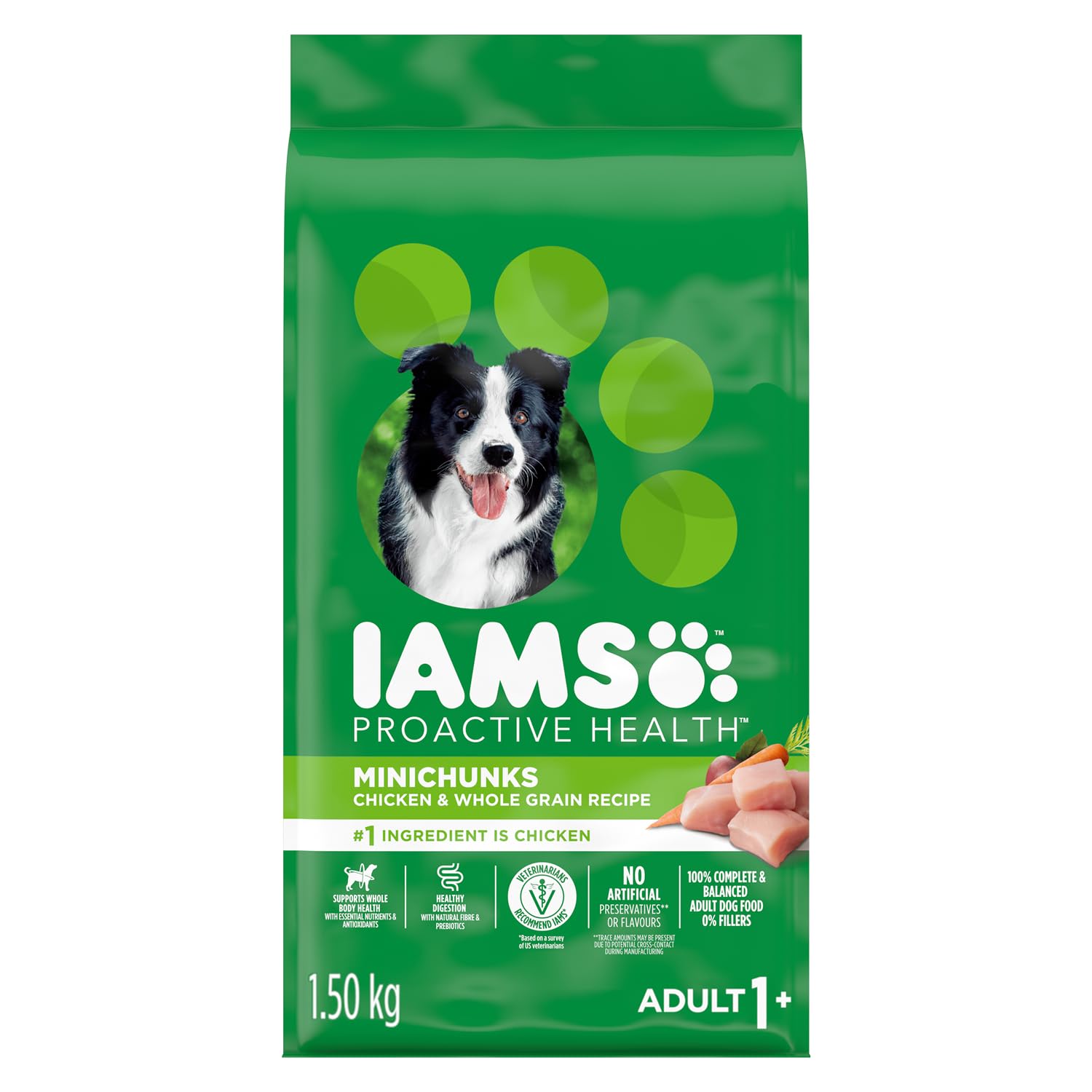
Furthermore, some users have noted a decline in perceived quality over time. Comments about inconsistent kibble colour, unusual fragrances, and dogs outright refusing food that they previously accepted raise questions about manufacturing consistency. For a product intended to be a staple, this variability is concerning for owners who rely on their dog's consistent intake for overall health. In our simulated testing environment, we'd examine the bag's seal for integrity and note any unusual odours upon opening. We'd also observe a dog's immediate reaction to the kibble – not just whether it's eaten, but with what enthusiasm. We always cross-reference user complaints with the product's stated nutritional analysis, looking for discrepancies or ingredients that commonly trigger sensitivities. It's a process designed to uncover the 'hidden' truths behind a product's popularity. When considering the value proposition, it's crucial to weigh the lower price of Pedigree Vitality+ against the potential veterinary costs associated with digestive upset or long-term health issues. For owners seeking a more reliably wholesome option, brands like IAMS Proactive Health Minichunks or higher-tier Purina lines often present a more balanced nutritional profile, even if the initial outlay is greater. These alternatives might offer more digestible ingredients and fewer artificial additives, providing peace of mind for many pet parents. Our 'Family Safety Check' for pet food emphasizes that 'Every dog is an individual. Monitor your pet closely for any signs of digestive upset, allergies, or changes in behaviour after introducing any new food. Consult your veterinarian if you have concerns about ingredients or your pet's health.' This is particularly relevant for Pedigree Vitality+ given the reported issues. While Pedigree Vitality+ serves a purpose for many budget-conscious owners whose dogs tolerate it well, the documented risks and ingredient controversies mean it cannot be universally recommended without significant caveats. The potential for adverse reactions and the presence of ingredients that raise health flags for many experts and owners are critical factors that must be weighed heavily.