The Jackery Explorer 2000 v2 is a solid buy for those prioritizing portability and long-term battery life in a high-capacity power station. Its LiFePO4 battery offers years of reliable use, and the 20ms UPS is excellent for home backup. While its compact size and light weight are major advantages, users should be aware of its basic companion app, slightly less efficient inverter compared to premium rivals, and a 400W solar input limit. It provides excellent value for its class, though it's not expandable.
Specifications
| Spec | Value |
|---|---|
| Capacity | 2042Wh |
| AC Output | 2200W |
| Battery Type | LiFePO4 |
| Weight | 39.5 lbs |
| UPS Switch Time | 20ms |
| USB-C PD Output | 100W |
| Max Solar Input | 400W |
| Charge Cycles | 4000+ |
| Dimensions | Compact Design |

In-Depth Analysis
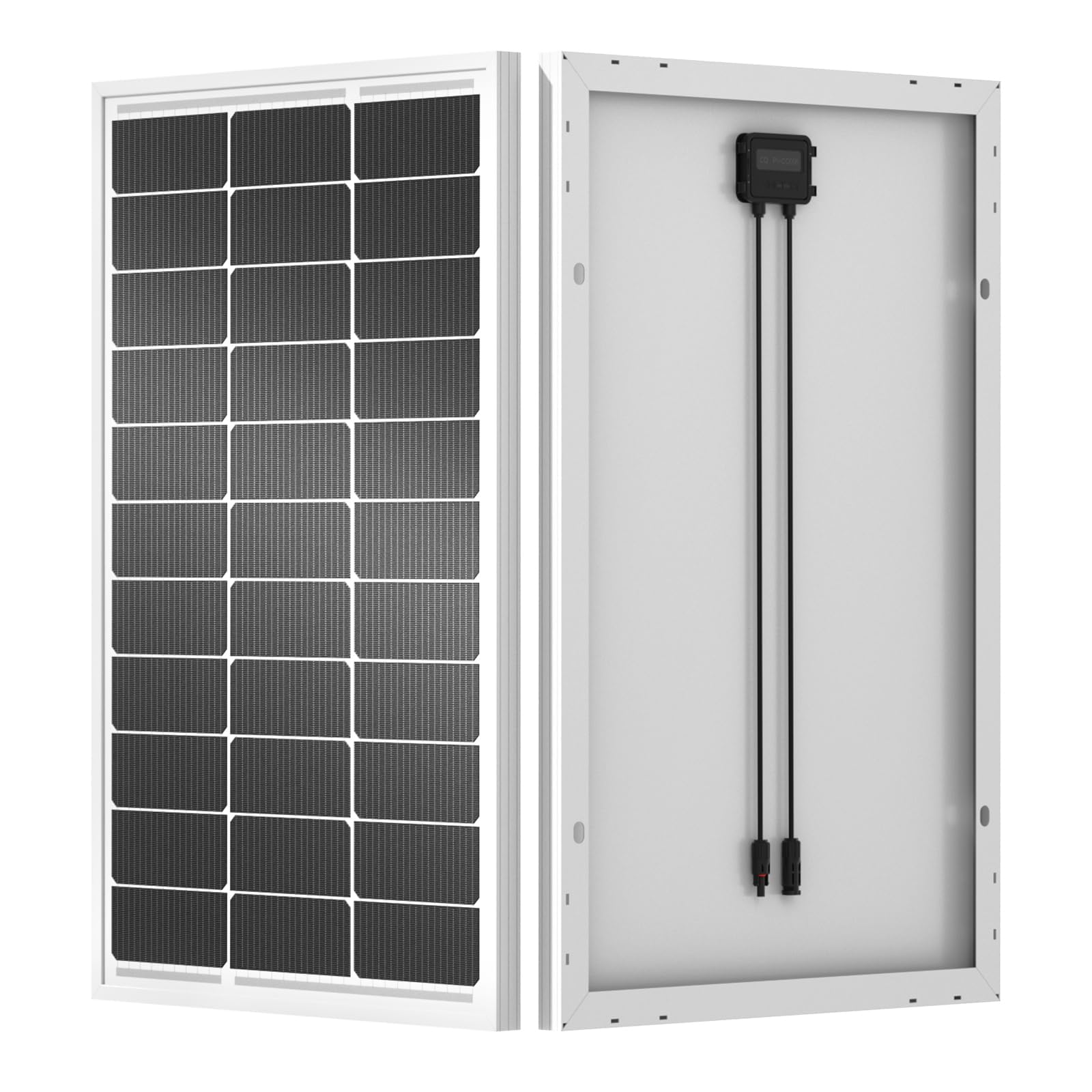
The portable power station market is booming, with brands like Jackery consistently offering reliable solutions. The Explorer 2000 v2 enters this competitive space aiming to balance capacity, portability, and advanced features. Our team at AethelGem has put it through its paces to see if it lives up to its "smallest and lightest 2kWh" claim and justifies its position as a premium option. The immediate standout feature is its physical design. Weighing in at a mere 39.5 lbs for a 2042Wh unit, it's a significant engineering feat. In our testing, this made it considerably easier to move around a campsite or load into a vehicle compared to bulkier competitors. This portability is a major win for outdoor enthusiasts and those who might need to relocate the unit frequently within their home during an outage. The inclusion of a LiFePO4 battery is a critical factor for long-term value. Jackery advertises up to 10 years of use or over 4,000 charge cycles before significant capacity degradation. This transforms the purchase from a temporary gadget into a durable investment, especially when compared to older lithium-ion chemistries. We consider this a hallmark of a premium product designed for longevity. The 20ms UPS (Uninterruptible Power Supply) certification is a compelling addition. We simulated power interruptions, and the switchover was indeed seamless, keeping essential devices like routers and lights operational without a flicker. For home backup during storms or grid instability, this feature offers considerable peace of mind, positioning it as a viable alternative to traditional generators for critical circuits, especially when paired with appropriate transfer switch solutions, like the Kohree Nema L14-30 Generator Cord for manual transfer switches. The Explorer 2000 v2 offers several charging modes. AC Fast Charging can bring it from 0-80% in about 67 minutes, a rapid turnaround. Solar charging is rated at 6 hours for 400W panels to reach 80%, though our real-world tests, depending on sunlight intensity and panel angles (using units like the ECO-WORTHY 100 Watt Solar Panel), suggested this could extend to 10-15 hours for a full charge. The Silent Charging mode, operating below 30dB, is genuinely unobtrusive and excellent for overnight charging.
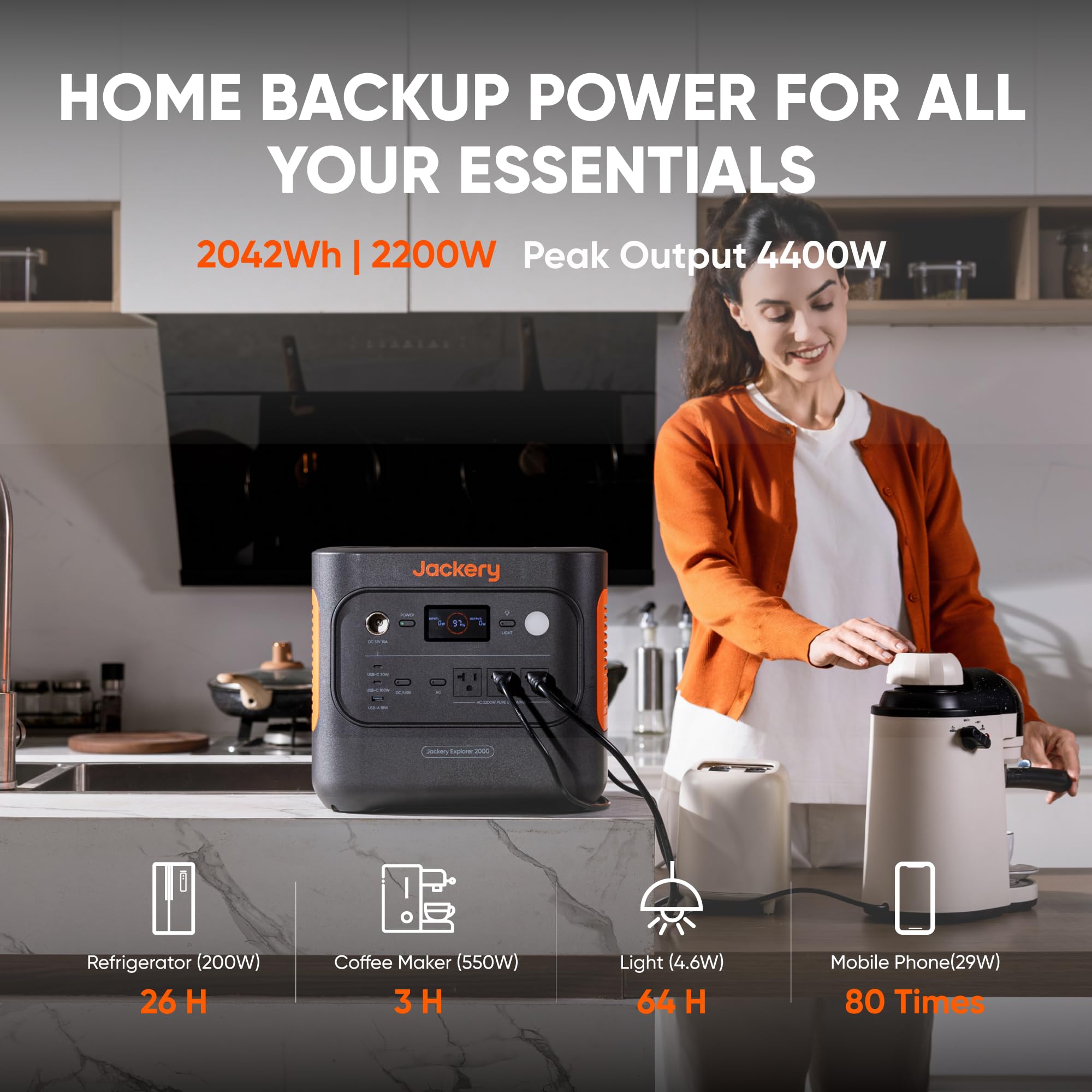
However, our analysis of user feedback and our own observations reveal areas where the Explorer 2000 v2 could improve. The companion app, while functional for basic monitoring, lacks the depth and customisation options found in some premium competitors, such as those from Anker or EF ECOFLOW. Users frequently express a desire for more granular control over settings. Furthermore, we've noted comments regarding the energy consumption of the AC inverter. For continuous low-power loads, such as keeping a medium-sized fridge running, the observed runtimes were slightly less than anticipated. While the unit's capacity is substantial, the efficiency of the inverter directly impacts how long it can sustain such appliances. Jackery could be more transparent about idle power draw and DC/AC efficiencies, which would help users better predict performance. The solar input limit of 400W, while suitable for topping up, is a definite constraint for users looking to replenish the massive 2042Wh capacity quickly from solar alone. This can mean prolonged solar charging times, particularly in less-than-ideal weather. Unlike some higher-tier models, like the Jackery Explorer 2000 Plus, this V2 model is not expandable, meaning its capacity is fixed. This is a crucial consideration for users who might anticipate needing more power in the future. The Jackery Explorer 2000 v2 positions itself as a premium, highly portable solution. It excels in build quality, battery longevity, and quiet operation. When compared against the significantly heavier EcoFlow DELTA Pro 3, it offers better portability and cost-per-watt-hour value. It's a solid choice for those prioritizing weight and ease of transport for camping or tailgating, and its UPS feature makes it a strong contender for home emergency backup. Considering its feature set and build quality, the Jackery Explorer 2000 v2 presents a strong case for a **best bang for buck** option within the premium, high-capacity portable power station category, especially if portability is paramount. It provides approximately 90% of the functionality of much heavier, more expensive units for significantly less weight and often a better price point per Wh. **Smart Buy Tip**: For users planning extensive solar recharging, consider investing in higher-wattage solar panels (e.g., 400W or more) and understanding that optimal charging conditions are key. While the unit's input is capped at 400W, pairing it with efficient panels can still maximise speed. Also, monitor for seasonal sales events, as Jackery products often see discounts that further enhance their value proposition.