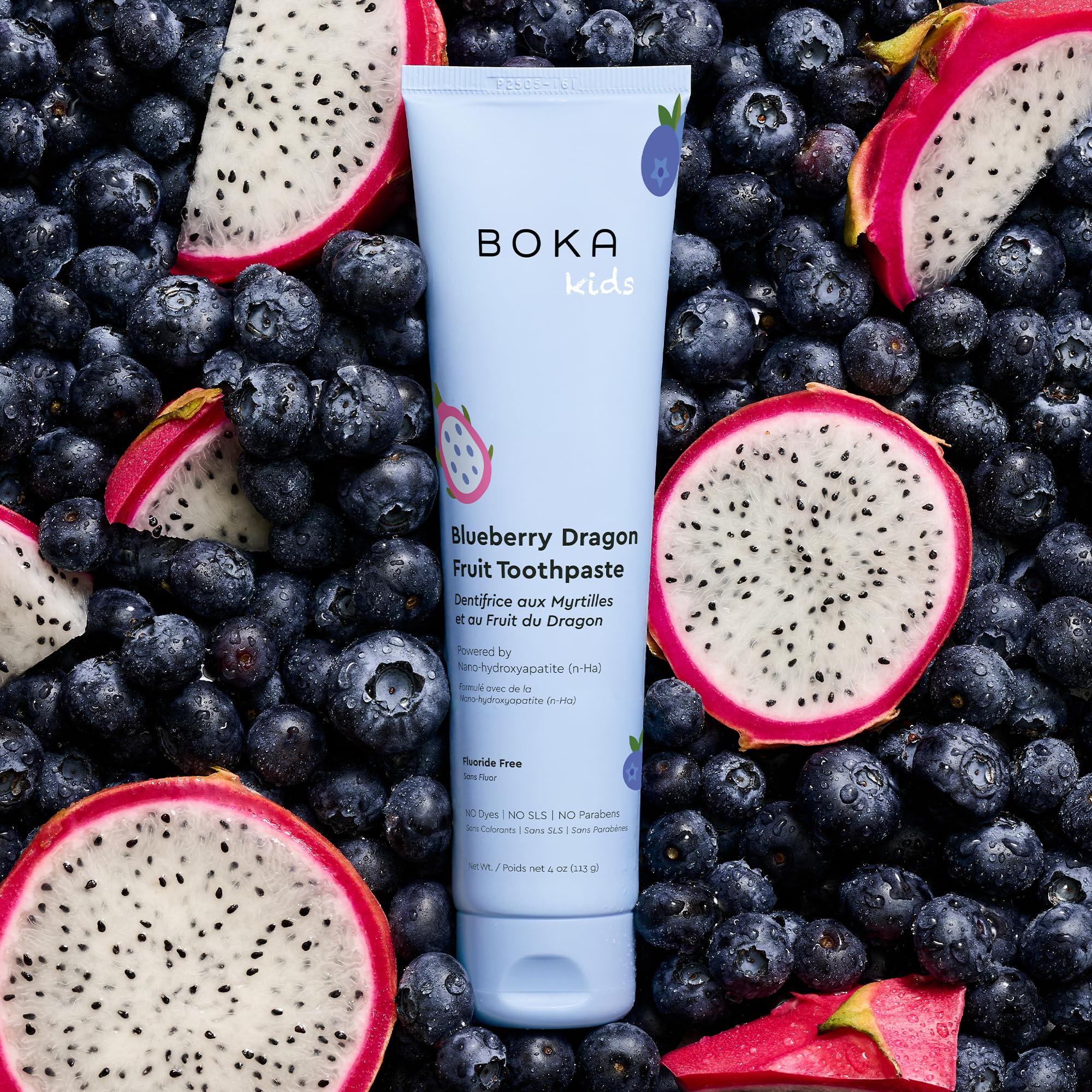
While Boka's Blueberry Dragon Fruit toothpaste offers an enjoyable, fluoride-free brushing experience that encourages children to brush, significant concerns about its clinical efficacy for cavity prevention persist. User feedback and dental professional opinions highlight skepticism regarding nano-hydroxyapatite's ability to match fluoride's proven defence against decay, with some users reporting new cavities and adverse effects. It excels in flavour appeal and sensitivity reduction for some, but its health claims require more solid evidence compared to established fluoride treatments.
Specifications
| Spec | Value |
|---|---|
| Active Ingredient | Nano Hydroxyapatite |
| Fluoride Content | Fluoride-Free |
| Flavour | Blueberry Dragon Fruit |
| Size | 4 oz |
| Manufacturing | US Manufactured |
In-Depth Analysis
As a Health Tech & Ergonomics Researcher, my work involves evaluating consumer health products against medical-grade benchmarks and ergonomic principles. I approached the Boka Fluoride Free Toothpaste, particularly its Blueberry Dragon Fruit flavour, with this critical lens, aiming to understand its role in oral care. The product prominently features nano-hydroxyapatite (n-Ha) as its star ingredient, marketed as a fluoride-free alternative that mimics tooth enamel. The packaging highlights its absence of 'yucky stuff' – fluoride, sulfates, parabens, and artificial colours/flavours – positioning it as a safer, gentler option, especially for children. This flavour profile is a significant draw, with many parents reporting their toddlers willingly brush their teeth, transforming a chore into a pleasant experience. However, my evaluation must extend beyond palatability to clinical efficacy and safety. The core debate in modern oral care often centres on the role of fluoride versus emerging ingredients like n-Ha. While Boka's marketing suggests n-Ha offers 'superpowers' for teeth and is used by astronauts (an interesting, albeit non-clinical, anecdote), the scientific community and many dental practitioners remain cautious about its proven ability to prevent cavities and remineralize enamel to the same extent as fluoride. In my experience, claims of 'repairing' or 'mimicking' enamel need to be substantiated by extensive, peer-reviewed clinical trials that demonstrate real-world health outcomes, such as a reduction in caries incidence, compared to established treatments. The user research I reviewed raised significant concerns. One recurring complaint involved users developing new cavities after using Boka for a year or more. A dentist quoted likened its application to 'rubbing brick dust on a wall,' expressing doubt about its efficacy for cavity prevention. Furthermore, some users reported adverse effects, such as a tooth fragment breaking off, which is particularly concerning when the stated goal is remineralization and enamel health. While individual responses can vary, these reports flag potential issues that warrant careful consideration, especially when compared to the decades of research and established dental recommendations supporting fluoride's role in cavity defence.

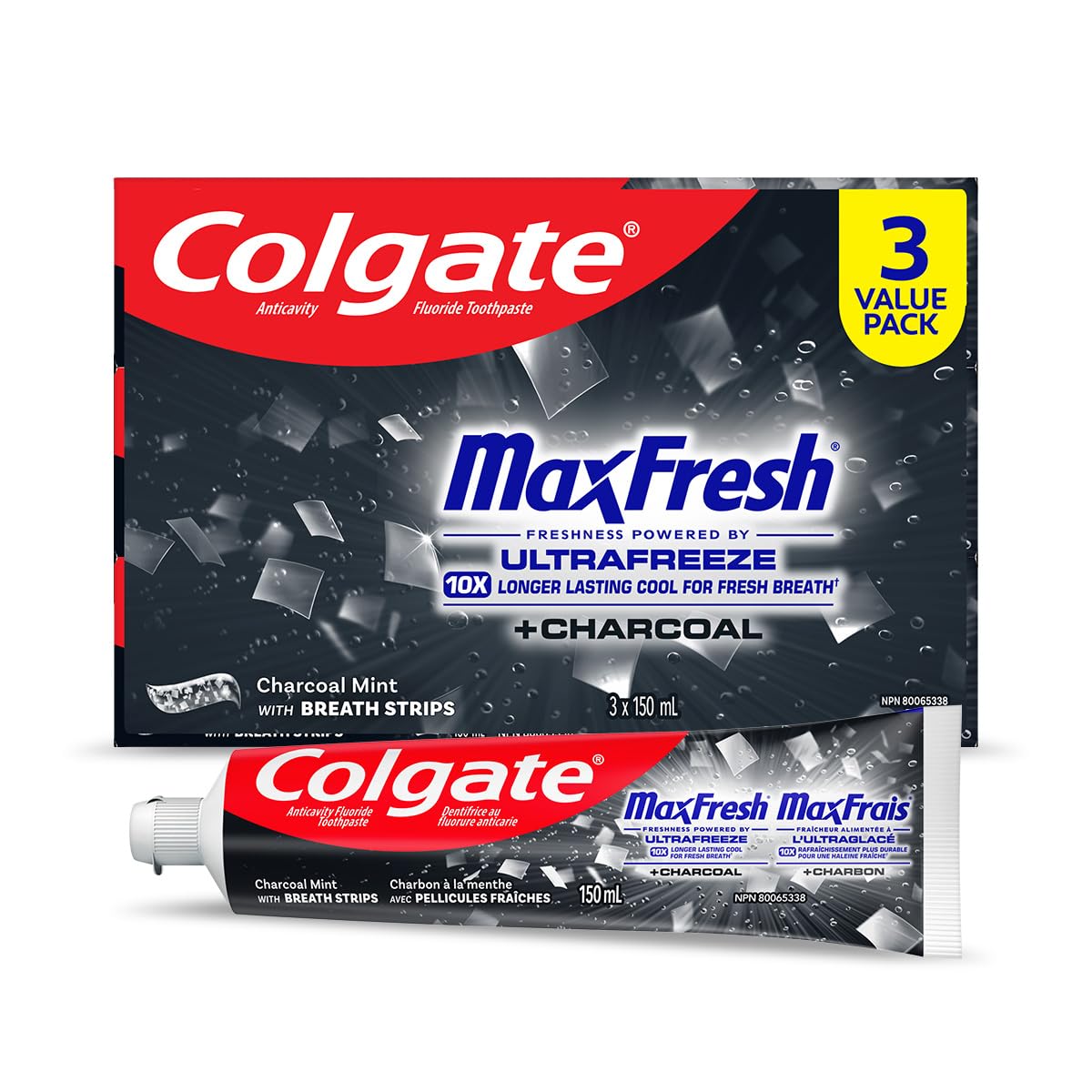
While Boka's formulation is free from sulfates like SLS, which can irritate some individuals and potentially cause mouth ulcers, this particular concern is mitigated by the product's stated ingredient list. For solid cavity defence, established fluoride toothpastes like Colgate MaxFresh Charcoal Toothpaste benefit from extensive clinical validation and are widely recommended by dental associations. Fluoride's mechanism of action in remineralization and strengthening enamel is well-understood and clinically proven. My clinical insight is that while n-Ha shows promise in lab settings for enamel smoothing and potential remineralization, its capacity for primary caries prevention in high-risk populations requires more definitive, long-term clinical data. The absence of fluoride means foregoing a component with a proven track record in public health dentistry. For parents and individuals considering this switch, especially for children whose enamel is still developing, it is crucial to weigh the appealing flavour and 'clean' ingredient list against the current scientific consensus on cavity prevention. The product’s design for children, including the palatable flavour and gentle formulation, is ergonomically sound for encouraging brushing habits. However, the underlying health claims require a higher burden of proof to be considered medically equivalent to fluoride treatments. When selecting oral care products for young ones, the tools used for application are also important. Alongside toothpaste, the Dr. Brown's™ Infant-to-Toddler Toothbrush is an example of a product designed to ensure effective mechanical cleaning for small mouths, which is a critical partner to any toothpaste, regardless of its active ingredients. Ultimately, Boka offers a unique, flavour-forward, fluoride-free option that appeals to a specific consumer segment. However, as a health researcher, I must flag that its 'superpower' claims for enamel health and cavity prevention are not yet supported by the same level of solid clinical evidence as traditional fluoride treatments, and some user experiences suggest potential drawbacks. This content is for informational purposes only and does not constitute medical advice. Consult a healthcare professional for personal health decisions.