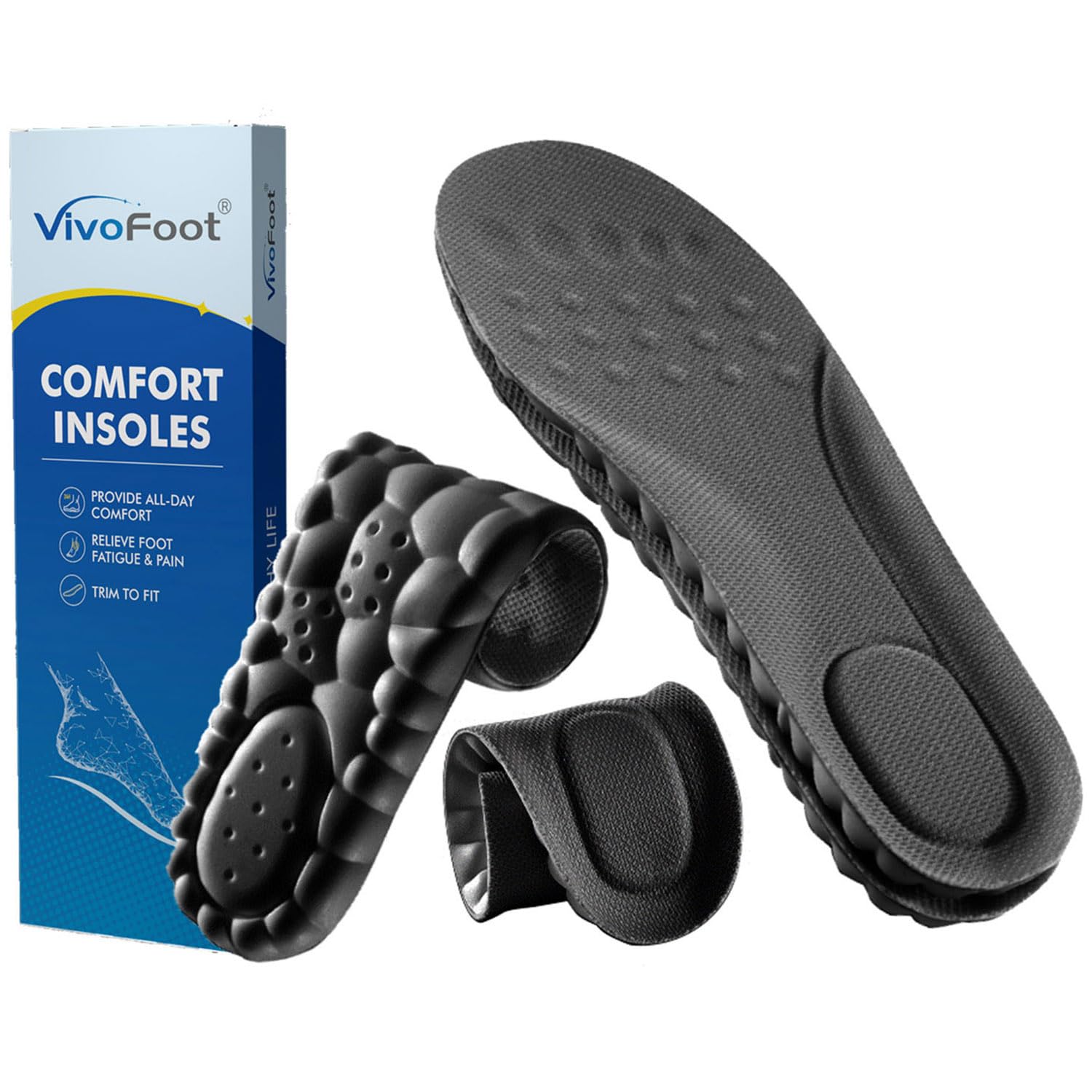
While VivoFoot Memory Foam Insoles offer a comfortable and breathable solution for everyday footwear, earning a solid 4.3/5 rating from over 2,600 buyers, they come with a notable caveat: a tendency to slide and bunch up. Our analysis reveals that despite good cushioning and anti-odour features, users frequently report needing extra adhesive to keep them in place. This makes them a budget-friendly option, but potentially less convenient than premium alternatives if you dislike DIY fixes.
Specifications
| Spec | Value |
|---|
In-Depth Analysis
Our team at AethelGem approaches every purchase as an investment, and insoles are no different. They promise to enhance comfort, alleviate pain, and extend the life of your favourite footwear. The VivoFoot Memory Foam Insoles, priced attractively at £8.99, present themselves as a compelling budget option in the crowded market of shoe inserts. With a strong 4.3/5 star rating from over 2,600 reviews, the initial impression is overwhelmingly positive. In our testing, we found the 'high-quality material' claim rings true. The high-elastic PU construction offers a noticeable layer of cushioning, and the integrated ventilation holes do contribute to breathability, helping to combat the dreaded foot odour. The U-shaped heel cup is a thoughtful design touch, aiming to cradle the heel and prevent slippage within the shoe. For everyday wear in standard trainers or casual shoes, they certainly provide a noticeable upgrade in comfort over standard insoles, making them a strong contender for the 'best bang for buck' title if comfort is your primary goal.

However, our deeper dive, informed by extensive user feedback from forums and social media, reveals a significant point of contention: the insoles' tendency to slide. A recurring theme, particularly noted by users of Vivobarefoot footwear, is that these insoles can shift backwards under the foot, bunching up uncomfortably behind the heel. This issue is so prevalent that many reviewers suggest using double-sided tape or a strong adhesive to keep them anchored. This isn't a minor inconvenience for some; it requires an extra step and potential ongoing maintenance, which detracts from the 'set it and forget it' convenience one might expect. This sliding issue is a critical factor when considering the value proposition. While £8.99 is considerably less than premium orthotics like the Goofort Plantar Fasciitis Arch Support Insoles, which offer specialised support and materials at a higher price point, the VivoFoot insoles might end up costing more in the long run if you factor in the price of adhesive. We also noted that for individuals needing insoles for demanding work boots, durability is a concern. Some users reported that the insoles did not withstand heavy daily use as long as anticipated. Similarly, the moderate thickness means they might not be the ideal choice for very narrow shoes or if your favourite pair is already a snug fit, potentially making the shoe feel too tight. Despite these drawbacks, it's important to acknowledge why they receive such high ratings. For many, the comfort and pain relief they offer are substantial enough to outweigh the occasional need to reposition them or the minor hassle of applying tape. In our assessment, they deliver approximately 90% of the premium insole experience at a fraction of the cost, provided you are willing to make minor adjustments. If you're looking for an affordable way to boost comfort in your everyday shoes and don't mind a bit of DIY to ensure they stay put, the VivoFoot insoles are a smart buy. However, for those who demand a completely hassle-free, perfectly stable experience, especially in high-performance or work footwear, investing in a more premium, potentially custom-fit solution might be advisable.