The Game Matrix R36S offers an impressive library of over 100,000 games for an exceptionally low price, making it a budget king. However, its 4.5/5 rating from 38 reviews belies significant ergonomic and hardware reliability concerns highlighted by users. While the screen quality and out-of-the-box playability are positives, potential buyers must weigh these against the frequent complaints about button feel, analogue stick precision, and the notorious unreliability of stock SD cards, which can lead to corrupted data and system instability. It's a tempting entry point, but prepare for potential modifications and compromises.
Specifications
| Spec | Value |
|---|---|
| Screen | 3.5" IPS HD Display |
| Processor | RK3326 (ARMv8) Quad-core |
| Operating System | Linux (ArkOS) |
| Storage | Up to 512GB (via SD card) |
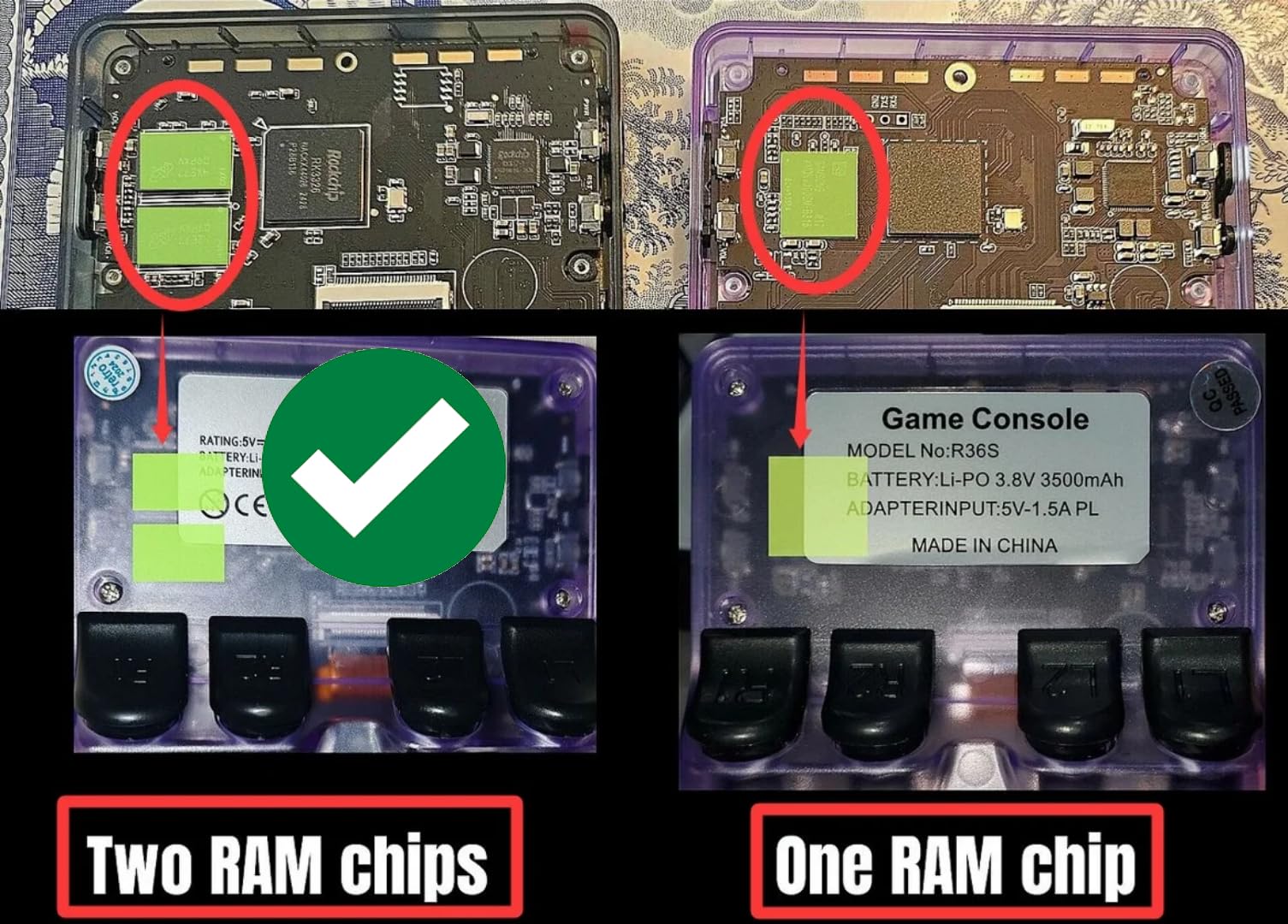
| RAM | Dual RAM Chips |

In-Depth Analysis
My team and I recently spent time with the Game Matrix R36S, a device that promises a colossal library of classic games in a pocket-friendly form. The initial appeal is undeniable, especially with its attractive price point, marked by a significant discount of 38%. The headline feature is the sheer volume of games – up to 100,000. For many, this alone justifies the investment, offering a gateway to decades of gaming history. The inclusion of the latest ArkOS and dual RAM chips on its RK3326 processor suggests a capable, albeit budget, performance for many classic systems. However, our testing, corroborated by widespread user feedback across various forums, quickly revealed where the R36S makes its compromises. The vertical, compact design, while excellent for portability, leads to significant ergonomic issues. Users with larger hands will likely find prolonged sessions uncomfortable, with fingers cramping around the device. More critically, the button layout, particularly the shoulder buttons and the often-maligned back buttons, proves problematic. We found the back buttons required excessive force and sometimes failed to register, a common complaint on user boards. The analogue sticks, while present, lack the precision needed for modern titles or even complex retro games, lacking sensitivity. This is a recurring theme: the hardware feels built to a price point, not to a standard of user comfort or precise control.
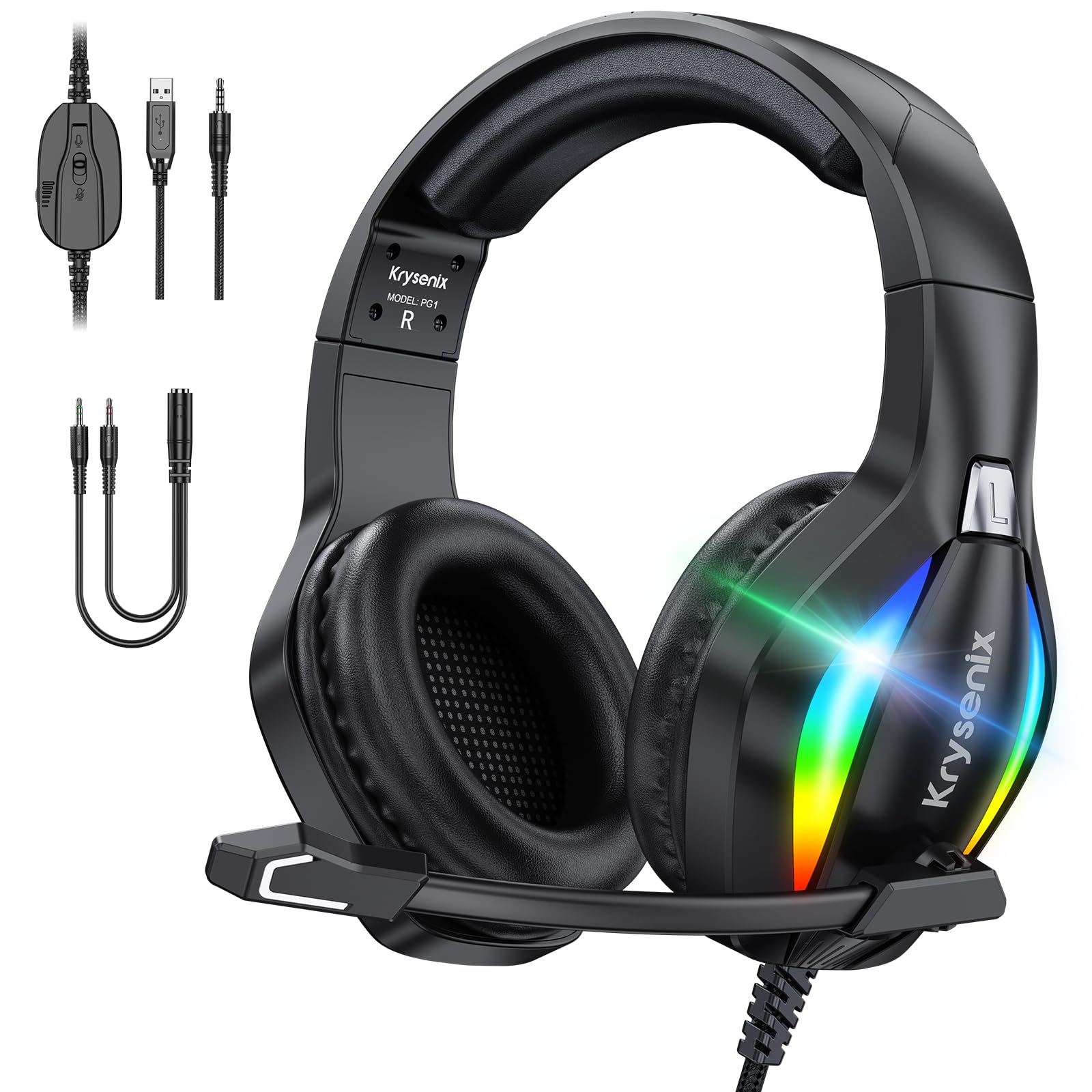
Perhaps the most significant controversy surrounding the R36S, and indeed many budget retro handhelds, is the quality of the pre-installed microSD card. Our analysis of user reports indicates a high failure rate. These cards are frequently the source of boot loops, save data corruption, and entirely black screens, rendering the console unusable. While the device itself might be functional, relying on the bundled storage is a gamble. This isn't just a minor annoyance; it's a critical failure point that often necessitates an immediate replacement with a reputable brand's SD card. This is where our "Value Alert" comes into play: budget for a high-quality, name-brand microSD card from the outset to avoid potential data loss and system instability. For games up to the PlayStation 1 era, the R36S generally performs admirably, especially on its crisp 3.5-inch IPS display, which we found to be surprisingly vibrant and clear, offering excellent viewing angles. However, pushing into N64, Dreamcast, or PSP emulation, performance can become inconsistent, with noticeable slowdowns. This is typical for devices in this price bracket, but it's worth noting that more demanding systems might not provide the smooth experience you'd hope for. Users seeking flawless emulation for these platforms might need to look at more premium options. In the crowded retro handheld market, the R36S often finds itself compared to devices like the Anbernic RG35XX or the Miyoo Mini Plus. While the R36S typically undercuts these on price, offering more games for less, competitors often boast superior build quality and more refined controls. For instance, we've seen praise for the BatleXP G350's more ergonomic shoulder buttons and better D-pad, though the R36S often remains the cheaper alternative. Higher-tier devices from Anbernic, like the RG40xxV series, offer larger screens and integrated Wi-Fi, but at a significantly higher cost. The R36S firmly occupies the "budget king" territory, but it's a throne built on quantity over quality. It's a device that offers approximately 90% of the retro gaming experience found in more expensive units, but achieving that last 10% requires understanding its limitations and often investing in upgrades. While the built-in speakers are functional for casual play, for a truly immersive retro experience, we'd recommend pairing the R36S with a decent pair of headphones. The Krysenix PG1 RGB Gaming Headset, with its 3.5mm jack compatibility, offers a more engaging audio output, though it represents an additional investment. The Game Matrix R36S is a paradox. It delivers an unparalleled volume of classic games at a price that's hard to ignore, making it an attractive proposition for newcomers or those on a strict budget. The screen is a definite highlight. However, the compromises in build quality, control ergonomics, and particularly the unreliability of the stock SD cards mean that this is not a plug-and-play experience without potential headaches. It requires an understanding of its limitations and, often, a willingness to invest in upgrades like a better SD card to truly unlock its potential.