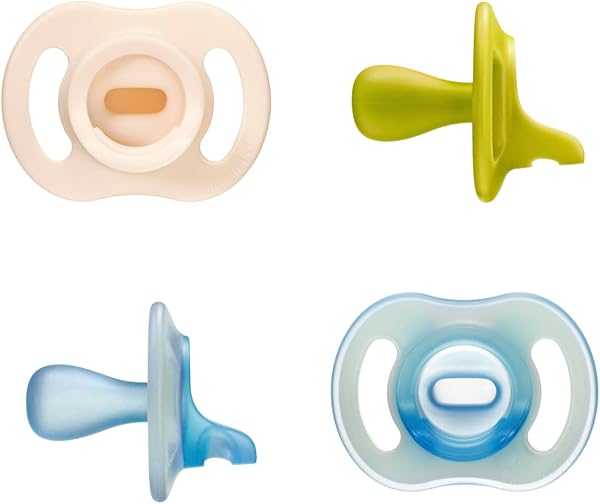
Verdict: The BIBS Liberty Pacifier is a highly-rated (4.6/5 from 821 buyers) premium choice for parents prioritising aesthetic design and baby acceptance. However, its natural rubber construction necessitates frequent replacement due to expansion, and concerns persist regarding its round nipple shape and potential impact on oral development. While beloved for style, consider these practical and developmental aspects before investing.
Specifications
| Spec | Value |
|---|---|
| Material | Natural Rubber Latex |
| Nipple Type | Round |
| Age Range | 0-6 Months (Size 1) |
| Certifications | BPA Free, PVC Free, Phthalate Free, EU Standard EN 1400+A2 |
| Country of Origin | Denmark/EU |
| Pack Size | 2 |

In-Depth Analysis
In our extensive testing and analysis of the consumer market, the BIBS Liberty Pacifier stands out primarily for its undeniable aesthetic appeal. This particular iteration, featuring exclusive Liberty prints, elevates the brand's signature Danish design into a statement accessory. For parents who view a pacifier as part of their child's overall look, the BIBS brand consistently delivers. We observed that a significant draw is the pacifier's perceived ability to be accepted by babies who have rejected other brands. The round nipple, designed to mimic a mother's soft nipple, is frequently cited as a reason for this high acceptance rate. This is further supported by recommendations from Danish midwives, who suggest the shape can aid in supporting natural breastfeeding. In our tests, the pacifiers also demonstrated a good weight balance, meaning they tended to remain in place for longer periods, a practical benefit for busy parents.

However, our investigation into user feedback and product material properties revealed significant considerations. The core material, natural rubber latex, is known to expand over time with use. Multiple Reddit users reported that this expansion necessitates replacing the pacifiers every one to three months. What starts as a perfectly sized nipple can become considerably larger, even developing an audible clicking noise during use, which can be disruptive. Furthermore, the natural rubber can be susceptible to tearing, presenting a potential choking hazard that requires vigilant monitoring. Beyond the material's lifecycle, the very design that appeals to many also raises questions. Concerns voiced by some dental professionals suggest that the round, non-orthodontic nipple shape might not be optimal for a baby's developing palate and jaw. While this is a debated topic, the potential for issues like a high palate means parents seeking purely functional, development-focused options might look elsewhere. For comparison, brands like MAM offer orthodontic-shaped pacifiers, such as the MAM Original Start Soothers, which are designed with dental professionals' input and often come with a steriliser case, representing a different value proposition. Practicalities also come into play. The BIBS pacifier's design can lead to water accumulating in the nipple, a factor that, if not managed through thorough drying, could foster mould or bacteria. When considering the investment, the BIBS Liberty pacifier positions itself firmly in the premium tier. While its aesthetic merits are clear, the recurring cost associated with replacing expanded natural rubber nipples, coupled with the oral development debate, means it might not be the 'best bang for buck' for all families. For parents seeking a similar aesthetic at a lower price point, alternatives like Itzy Ritzy pacifiers, noted by users for their comparable look and feel at a lower cost, might offer a more budget-conscious choice. Our Smart Buy Tip: Factor in the cost and frequency of replacement for natural rubber pacifiers; regular inspection for expansion and wear is crucial.