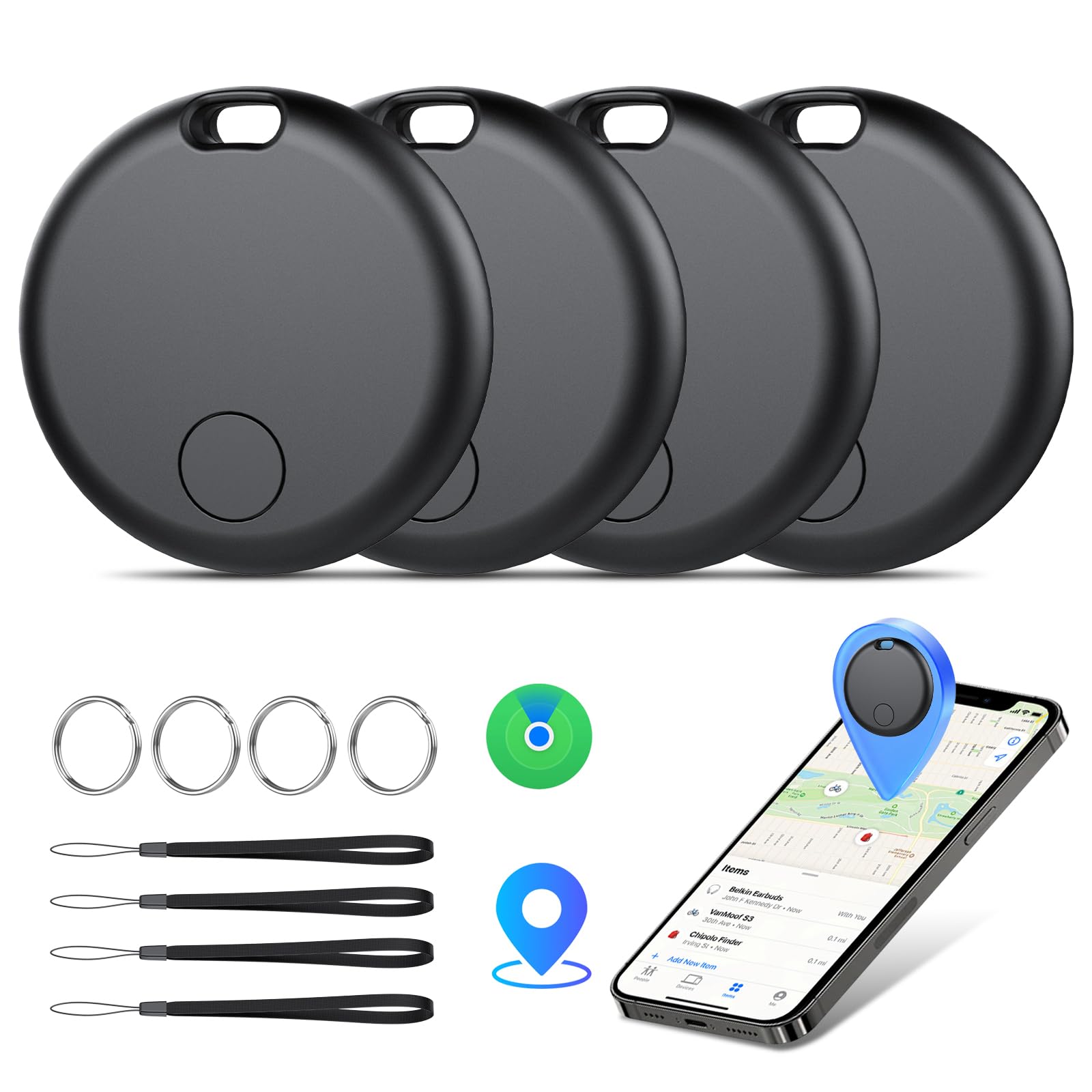
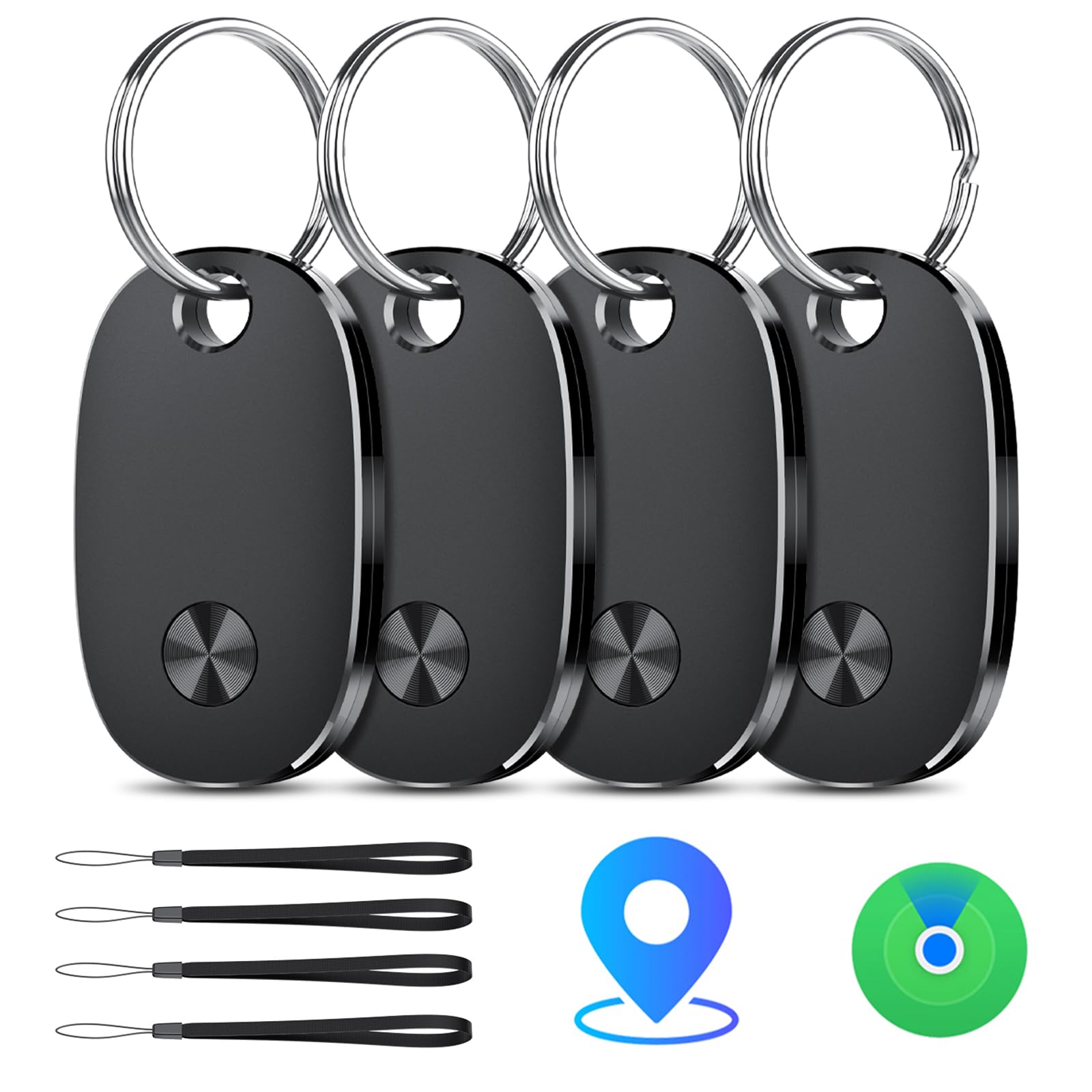
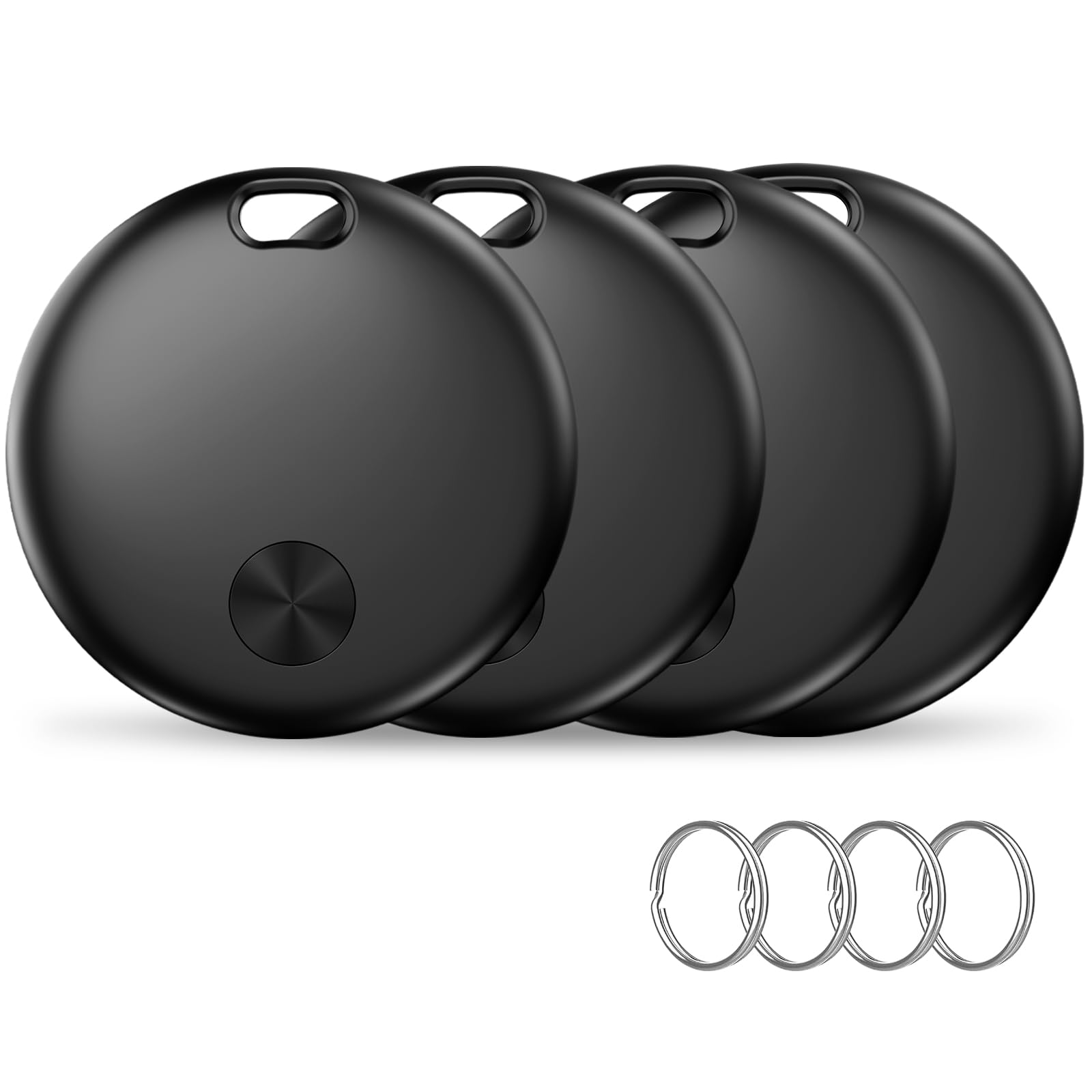
The ATUVOS Air Tags present a budget-friendly route to Apple's Find My network, but our investigation reveals significant reliability concerns. While considerably cheaper than official AirTags, numerous users report pairing failures, often stemming from weak or dead batteries out of the box. The battery replacement process is also frequently described as difficult and prone to damaging the device. For those prioritising cost, they offer basic functionality, but expect potential frustration due to these widespread issues.
Specifications
| Spec | Value |
|---|---|
| Bluetooth Range | Up to 60m |
| Waterproof Rating | IP67 |
| Battery Type | Replaceable |
| Compatibility | Apple Find My (iOS Only) |

In-Depth Analysis
When we first examined the ATUVOS Air Tags, the proposition was clear: access to Apple's solid Find My network at a fraction of the cost of official AirTags. A four-pack for £19.97 immediately caught our eye, presenting a seemingly sensible way to tag multiple items like luggage, backpacks, or even bicycles. The promise of crowdsourced location tracking, integrated directly into the familiar Apple Find My app, removes the need for a separate subscription or app, which is a significant draw for many iOS users. In principle, these trackers function much like their more expensive counterparts. If an item is within Bluetooth range, you can play a sound via the Find My app to help locate it. Should it stray further, the vast global network of Apple devices can anonymously report its last known location, offering a lifeline when items go missing. However, our deep dive into user experiences, particularly on forums like Reddit, revealed a pervasive undercurrent of frustration. A significant number of purchasers reported that some or all of the trackers in their pack simply refused to pair. The consensus among these dissatisfied buyers often pointed towards batteries that were either weak or completely depleted upon arrival. This is a stark contradiction to the 'replaceable battery' feature highlighted as a positive; the very first hurdle – initial pairing – is often insurmountable due to what appears to be poor quality control or shipping practices regarding battery health. Compounding the initial setup woes is the notorious difficulty users face when attempting to replace the batteries. The product description touts a 'unique cover design' to prevent children from opening it easily, but user feedback suggests this design is overly complex and fragile. Many describe the process as a 'nightmare,' requiring excessive force, often leading to cracked plastic casings, difficulty opening the correct side to access the battery, and, in several reported instances, the complete destruction of the tracker itself. This makes the advertised long-term benefit of a replaceable battery practically unachievable for many.

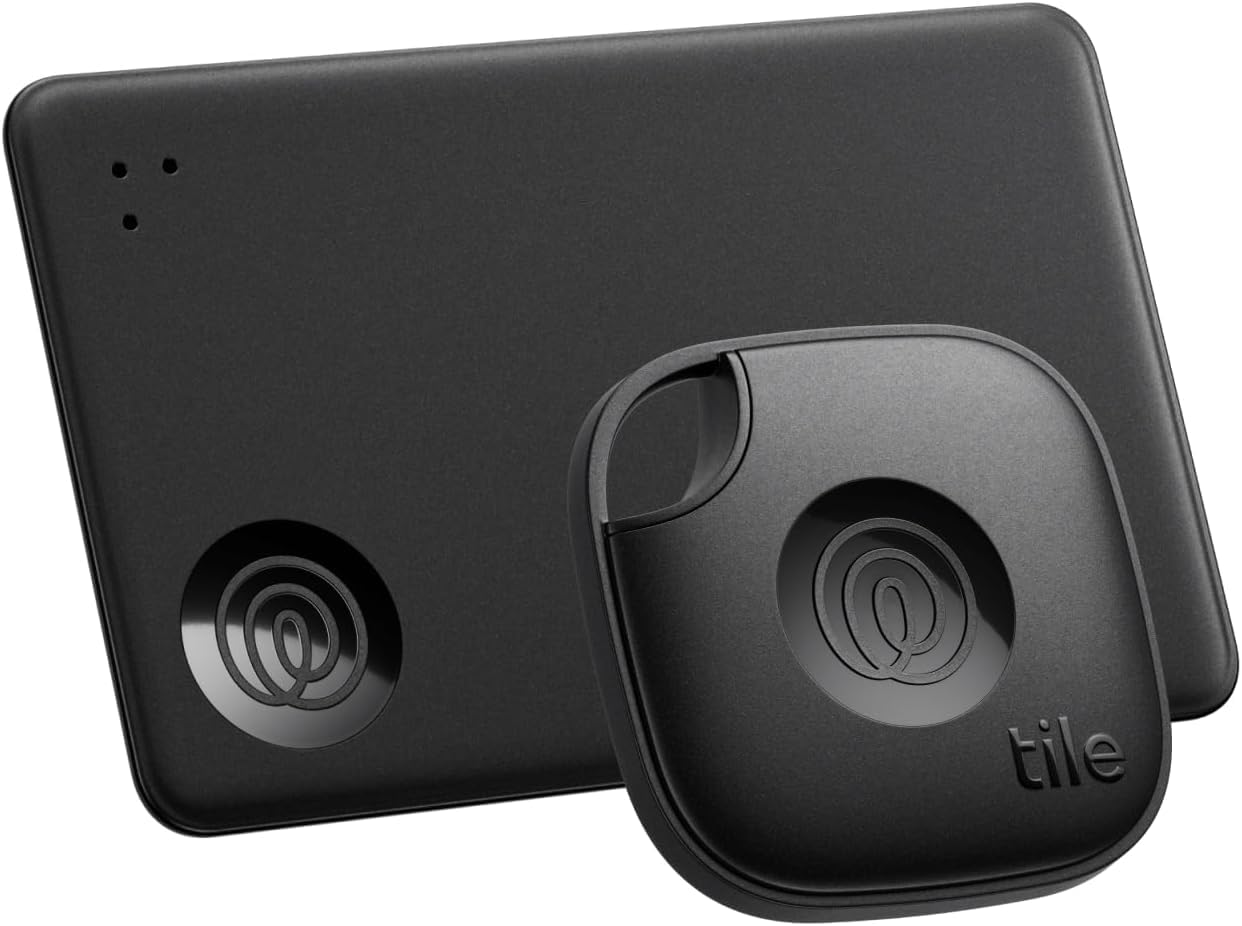
Beyond setup and maintenance, the core tracking performance of the ATUVOS trackers comes under scrutiny. We found numerous reports detailing inconsistent syncing and delayed location updates. Some users discovered that the location displayed in the Find My app was merely the location of their own iPhone, not the tracker, when the two were separated. This renders the tracker less useful for locating genuinely lost items. Furthermore, the issue of random, unexplained beeping, often described as 'cricket-like,' particularly when battery levels are low, has been a persistent annoyance, with some users reporting hearing it intermittently for weeks, even when the item is stationary. Comparing ATUVOS trackers to the benchmark, Apple AirTags, highlights key differences beyond price. While ATUVOS offers a louder chime, which is a small win, it lacks the Ultra Wideband (UWB) technology found in Apple's devices, meaning no 'Precision Finding' with directional guidance. This makes close-range locating a matter of sound alone, rather than pinpoint accuracy. While some users might prefer the louder beep for large items like luggage, the lack of UWB is a notable omission for those who need to find keys or wallets in cluttered spaces. The IP67 rating claimed by ATUVOS also appears to be a point of contention, with some user experiences suggesting less solid water resistance than advertised, whereas Apple's AirTag 2 is also rated IP67. For users seeking specialised tracking solutions, alternatives like the NOVOO Slim SmartCard Wallet Tracker offer a wafer-thin profile perfect for wallets or passport holders, boasting a significantly longer battery life. Similarly, the FAMOO Wallet Tracker Card provides a rechargeable option for those who prefer not to deal with disposable batteries. For those needing cross-platform compatibility, a Tile Mate tracker, while a different ecosystem, offers support for both iOS and Android devices, a distinct advantage over the ATUVOS's iOS-only limitation. Ultimately, the ATUVOS Air Tags represent a classic budget versus reliability trade-off. The appeal of tracking multiple items cheaply is undeniable. However, the sheer volume of user complaints regarding pairing failures, the arduous battery replacement process, and inconsistent tracking performance suggests that the initial cost saving may come at the expense of significant frustration and potentially unreliable results. Value Alert: While the ATUVOS Air Tags offer a low entry price, be aware that many users report receiving units with weak or dead batteries. Consider purchasing a pack of fresh CR2032 coin cell batteries alongside your trackers to mitigate potential immediate pairing issues. For users who are technically adept, patient, and willing to gamble on getting a functional unit, they might suffice for non-critical tracking needs. But for those who expect a seamless, dependable experience, we would advise caution and perhaps a reconsideration of investing in a premium alternative.