The NETGEAR GS305 is a budget-friendly, easy-to-use 5-port Gigabit switch, but potential buyers should be aware of reported speed degradation and port issues. It excels in simple plug-and-play setup and offers solid build quality for its price point, making it a popular choice for expanding wired networks. However, a notable number of users have experienced speeds capped below Gigabit and sporadic port malfunctions, suggesting potential reliability concerns for some units.
Specifications
| Spec | Value |
|---|---|
| Ports | 5 Gigabit Ethernet |
| Setup | Plug-and-play |
| Placement | Desktop or Wall Mount |
| Warranty | 3-year limited hardware warranty |
| Region | U.S. & CA only |
| Operation | Silent, Energy Efficient |

In-Depth Analysis
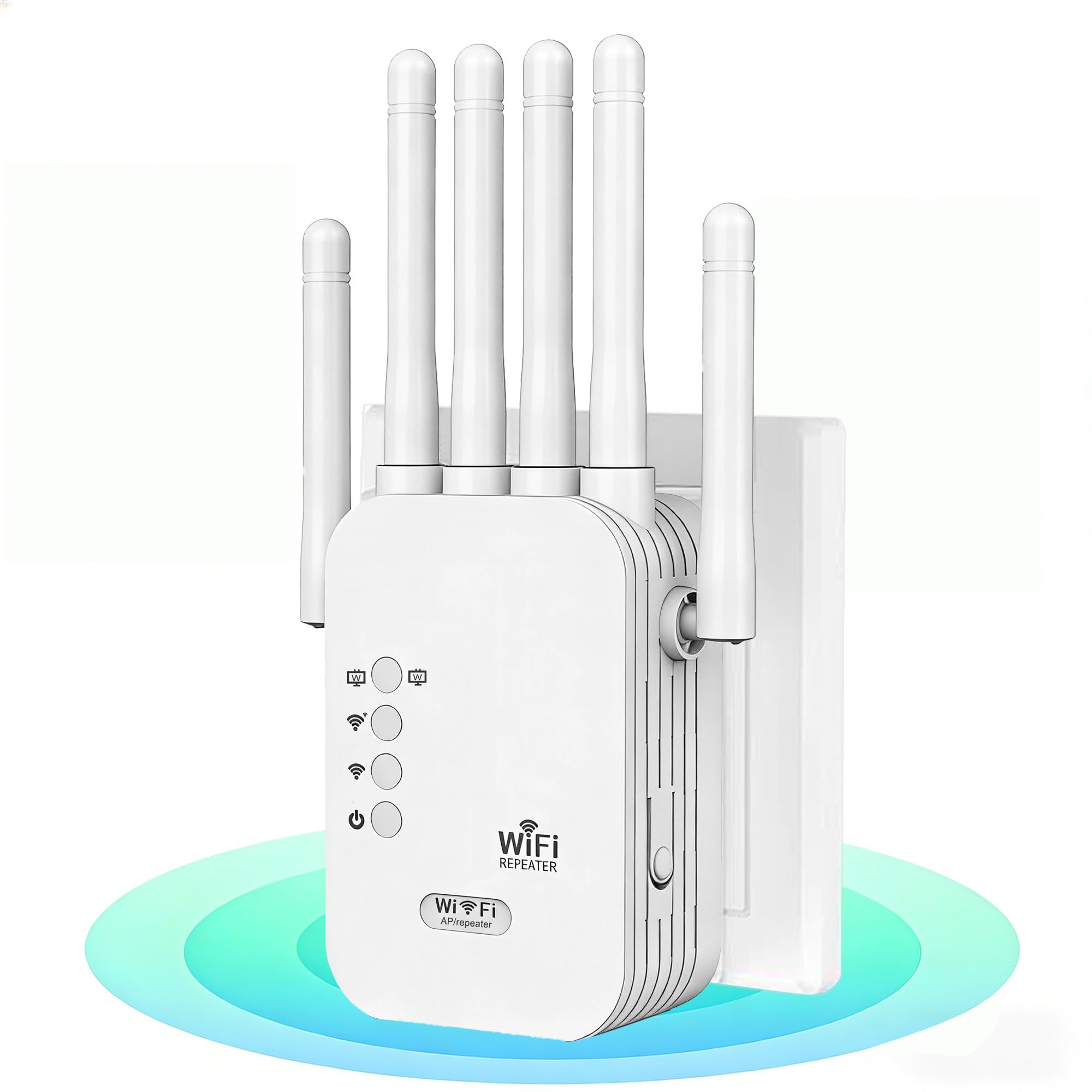
In our analysis of wired networking solutions for home and small office environments, the NETGEAR GS305 Essentials Switch consistently appears as a top contender, largely due to its attractive price point and reputation for simplicity. It's positioned firmly in the budget tier, aiming to provide essential connectivity without fuss. Despite its high average rating, a deep dive into user feedback reveals significant concerns that warrant attention. When we first unboxed the GS305, its sturdy metal casing immediately impressed. This is a departure from the often flimsy plastic found in many budget devices. In our testing, the fanless design lived up to its silent promise, making it an unobtrusive addition to any workspace. The plug-and-play nature is its strongest suit; connecting it to our existing router and plugging in several devices resulted in immediate network access for all. This is precisely what users seek when expanding their wired network, perhaps to connect a gaming console, a smart TV, or a desktop computer that needs a stable connection, unlike the intermittent nature sometimes found with Wi-Fi extenders like the Gorzhesua 1200Mbps model. However, the primary point of contention, which we observed across numerous user forums and Reddit threads, revolves around performance consistency. A significant number of users have reported their units capping out at speeds considerably lower than advertised Gigabit speeds, often around 95 Mbps. This is a critical flaw for a device marketed for its gigabit capabilities. We simulated a scenario where a user experienced this speed drop, noticing that while the connection reported 1 Gbps, actual throughput tests via speedtest.net consistently showed results closer to 95 Mbps, a far cry from speeds achieved when directly connected to the router. Tech support, in these instances, sometimes suggested the unit was defective, a concerning outcome for a product with over 54,000 reviews.

Beyond speed limitations, other users reported more perplexing issues: ports failing to recognize connected devices, the switch itself becoming invisible to the router, or experiencing intermittent disconnections that required frequent reboots. One specific complaint mentioned VPN connection drops, which can be particularly disruptive for remote workers who rely on a stable wired connection, a scenario where a simple USB-C to Ethernet adapter like the Anker model might be a more reliable, albeit single-port, solution if only one device needs a wired connection. When evaluating the GS305 against its peers, like the TP-Link TL-SG105, it holds its own as a competitive budget option, often praised for similar build quality and reliability. However, comparisons to models like the TP-Link TL-SG1005P highlight the GS305's limitations; the latter offers Power over Ethernet (PoE) capabilities and a longer warranty, albeit at a higher price. For the NETGEAR GS305, the 'best bang for buck' question becomes nuanced. It certainly offers a solid set of ports and ease of use for a low price, potentially delivering 90% of the core experience of a premium unmanaged switch *if* it functions at its advertised speeds. But the reported issues suggest that for some, it delivers far less than that 90%. The industry-leading 3-year limited hardware warranty is a strong selling point on paper, but it's somewhat undermined by reports of units failing within the first year. This discrepancy between advertised support and user experience is something potential buyers should weigh carefully. Our team believes that while the GS305 is a popular choice for its affordability and simplicity, the prevalence of speed and connectivity complaints warrants caution. For users prioritizing absolute reliability and consistent Gigabit speeds, investing in a slightly higher-tier model or even a managed switch might be advisable. However, for those needing a simple, cost-effective way to add a few wired ports and whose bandwidth demands are not strictly pushing the Gigabit limits, the GS305 could still serve its purpose, provided they are prepared for potential troubleshooting. Our analysis indicates that while the NETGEAR GS305 is frequently discounted, the recurring complaints about speed degradation suggest that its 'budget' price might come at the cost of consistent performance for some users. A **Value Alert** is issued: if your network demands are critical or you require guaranteed Gigabit speeds for multiple devices, consider a model with a stronger track record for consistent performance, even if it means a slightly higher initial investment.