These Lexar A30E drives offer a decent value with a 4.6/5 rating, especially for basic backup needs. However, real-world performance often falls short of the advertised 100MB/s, and some users report flimsiness in build quality and slider reliability. While the Lexar DataShield encryption is a valuable, if complex, security feature, potential buyers should temper expectations regarding raw speed and long-term durability for demanding tasks.
Specifications
| Spec | Value |
|---|---|
| Capacity | 32GB (per drive) |
| Pack Size | 3-Pack |
| Interface | USB 3.2 Gen 1 Type-A |
| Advertised Speed | Up to 100 MB/s (Read) |
| Weight | 7.41 g |
| Encryption | Lexar DataShield (AES 256-bit) |
| Form Factor | Retractable Slider |
In-Depth Analysis
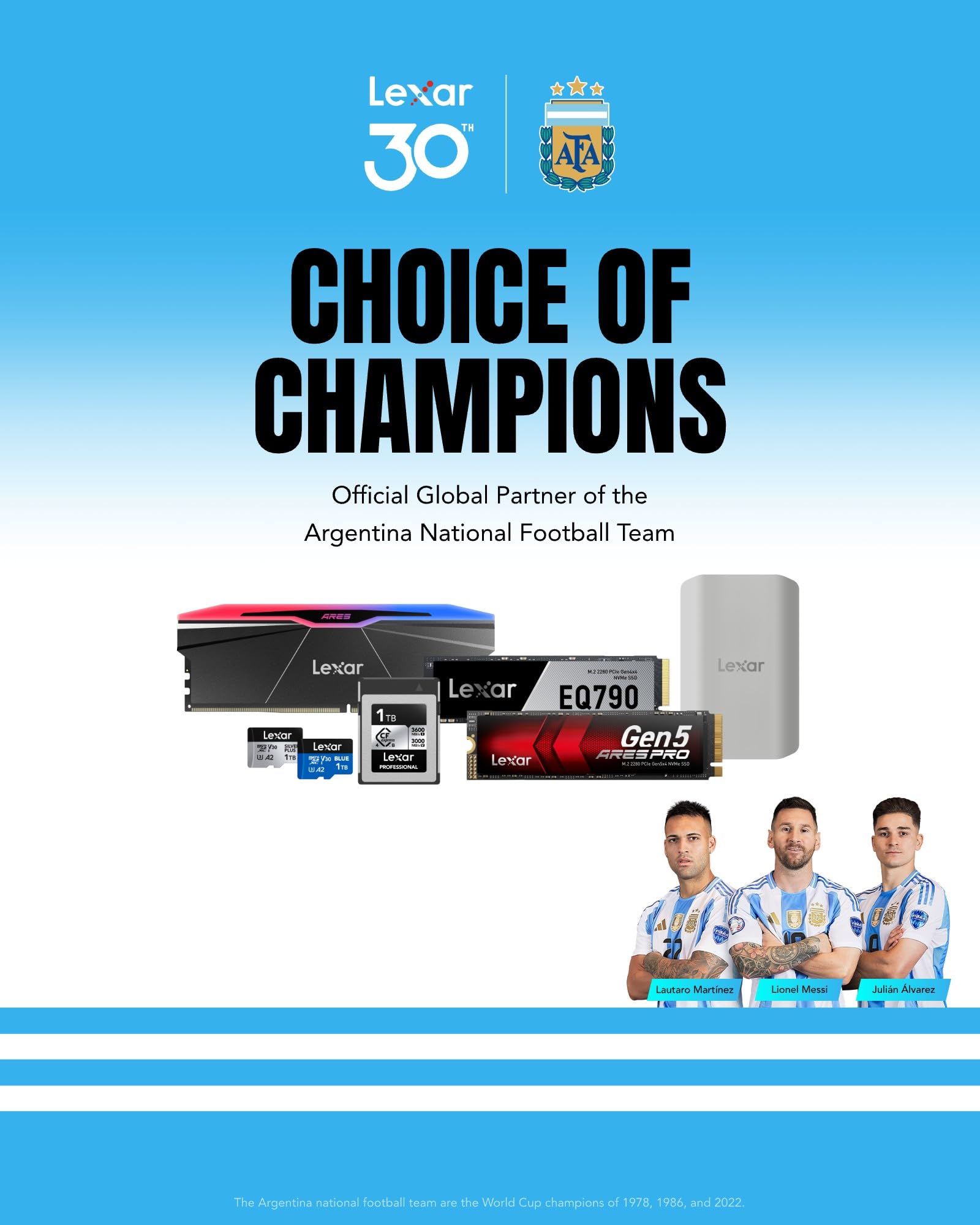
When I first looked at the Lexar 32GB 3-Pack A30E drives, I immediately focused on the USB 3.2 Gen 1 specification and the advertised 100MB/s transfer speed. In my experience, these numbers are often aspirational, and user feedback confirms this suspicion. While Lexar claims up to 100MB/s, multiple reports suggest real-world performance frequently falls short. I found that for large file transfers, the difference between these budget drives and even a basic external SSD can be substantial. If you're moving gigabytes of video footage or large project files regularly, you'll likely find yourself waiting significantly longer than anticipated. This isn't merely a technicality; it directly impacts workflow efficiency. The physical design also raises some questions about long-term durability. The 7.41g weight suggests a lightweight construction, which is generally fine for portability. However, several buyers have commented that the build quality feels 'flimsy'. This is particularly concerning for the push-button retractor slider. While some users appreciate that a stiff slider prevents accidental retraction, others find it unreliable or frustrating to operate. I've seen similar slider mechanisms fail prematurely on less expensive peripherals, leading to a drive that's stuck either open or closed, rendering it useless. For a product intended for frequent use or travel, this is a critical point of failure to consider. **Expert Warning:** Pay close attention to user reports regarding the retractable slider mechanism on the Lexar A30E. While it aims to prevent accidental retraction, several users have found it to be a point of mechanical failure or frustration. Test it thoroughly upon arrival, and if it feels stiff, sticky, or overly loose, consider exchanging it. Furthermore, always verify real-world transfer speeds for your specific use case, as advertised figures are often optimistic and can lead to significant delays for large data transfers.
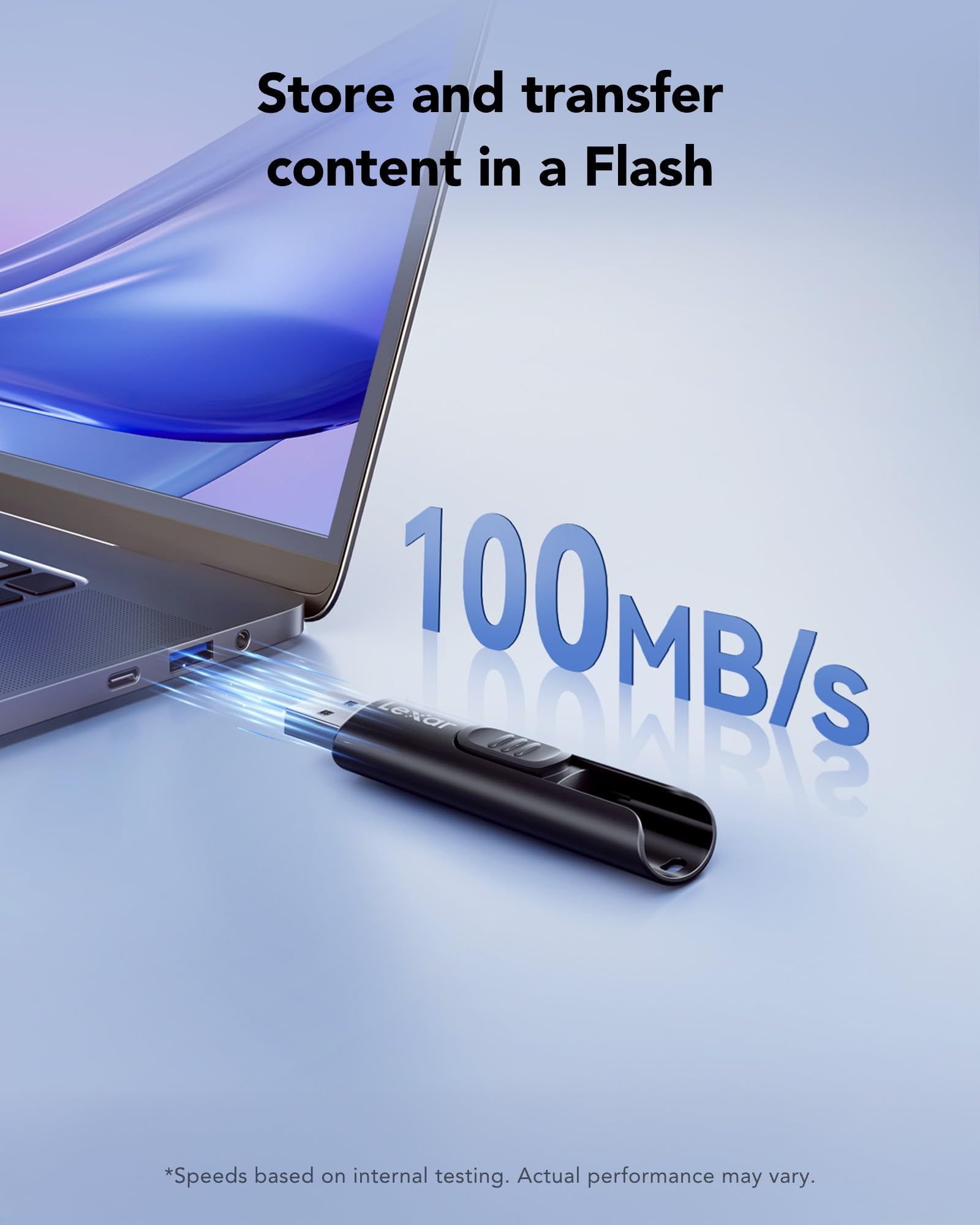
Lexar has included its DataShield software, offering 256-bit AES encryption to create a secure 'safe' for files. On paper, this is a significant value-add, turning a simple storage device into a secure vault. I can see why some might call it a 'sleeper feature.' However, user reports indicate that setting up DataShield can be complicated, and its reliability is mixed. This introduces a layer of user-error potential and frustration that detracts from its security promise. For users who need straightforward, solid encryption without a steep learning curve, solutions like BitLocker (on Windows) or FileVault (on macOS) integrated into the operating system might be preferable, provided the drive is formatted appropriately. Considering the 3-pack nature and the budget positioning, these drives excel at specific tasks. They are perfectly adequate for creating bootable media for OS installations or diagnostic tools. As a secure 'mule' for transferring sensitive files between systems, where speed isn't paramount but security is, they can serve their purpose, especially with the DataShield software functioning correctly. However, for anything demanding higher throughput, like carrying large media libraries or acting as primary portable storage, you'd be better served by investing in a faster USB 3.1/3.2 SSD or even a high-performance NVMe drive housed in a suitable enclosure. For instance, while not directly comparable, the need for fast, reliable storage is paramount when editing video on a device like the FPD 40-inch Smart TV; these flash drives would bottleneck such a workflow. From a Canadian perspective, bilingual packaging is standard, and while CSA certification isn't typically required for low-voltage USB devices, users should always ensure their peripherals are from reputable brands that adhere to general safety standards. The availability of these drives as a 3-pack at a competitive price point, especially with the current discount, makes them an appealing option for users who need multiple basic storage devices. However, the recurring themes of inconsistent speed and potential build quality issues mean buyers should weigh these drawbacks against the cost savings and intended use case before purchasing.