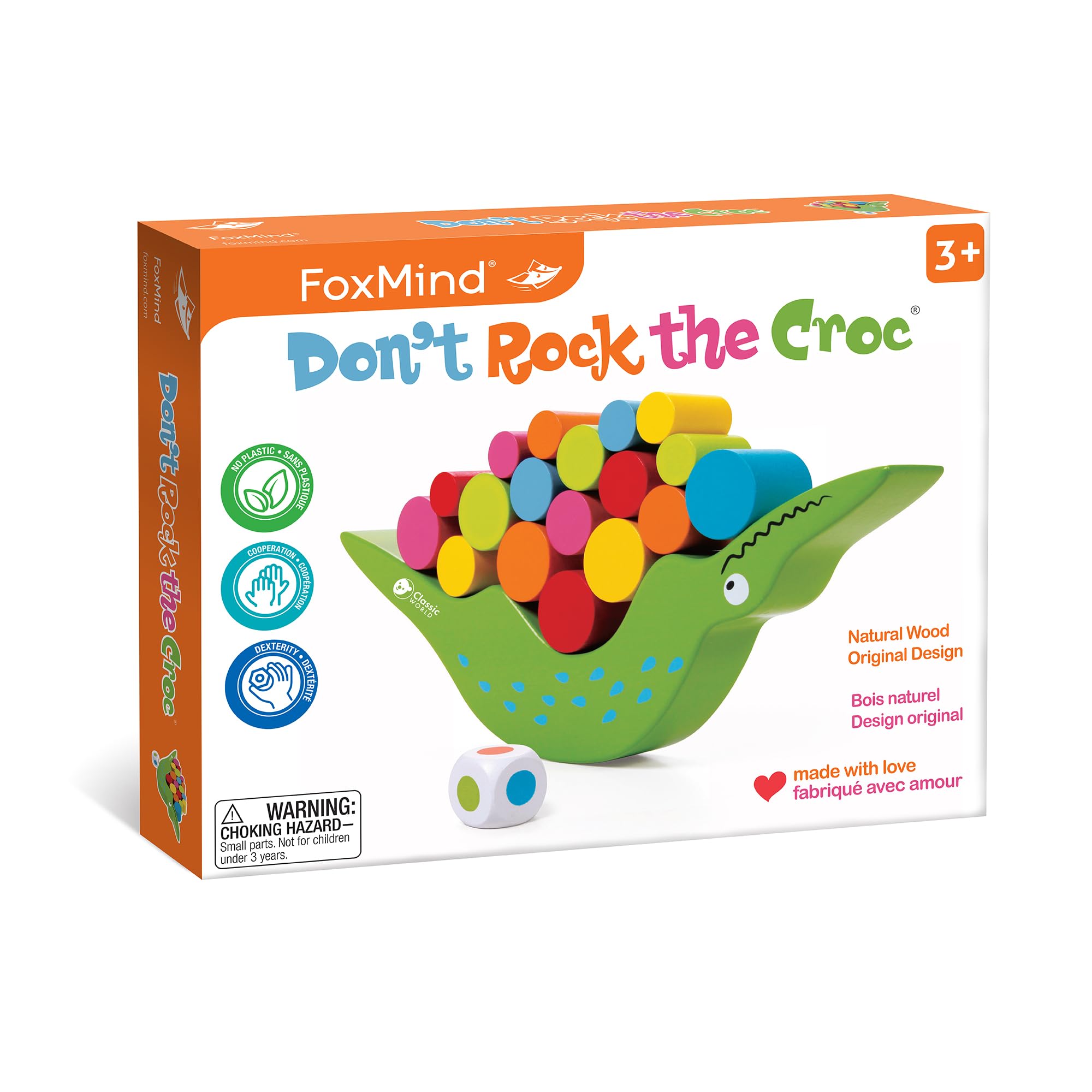
This wooden balancing game is a fun, albeit simple, choice for toddlers. With a 4.6/5 rating from over 1,100 reviews, it excels at teaching patience and fine motor skills. However, some users find it lacks challenge for older preschoolers, potentially limiting replayability. It offers good value for younger children.
Specifications
| Spec | Value |
|---|---|
| Material Type | Wood |
| Number of Pieces | 20 |
| Product Dimensions | 26.04 x 20.96 x 3.18 cm |
| Weight | 340.19 g |
| Languages | English, French |
| Assembly Required | No |
| Batteries Required | No |
| Recommended Age | 3 years and up |
In-Depth Analysis
When evaluating family games, our team at AethelGem considers how well a product bridges the gap between simple entertainment and genuine developmental value. The FoxMind Games Don't Rock The Croc, with its 4.6/5 star rating from over 1,100 reviews, positions itself as a strong contender in the budget to mid-range category for preschool-aged children. In our testing, the game delivered on its promise of quick setup and colourful appeal. The wooden components feel substantial enough for little hands, and the core mechanic of balancing pieces on the crocodile's back is intuitive. Toddlers we observed were immediately drawn to the tactile nature of the wood and the vibrant cylinders, quickly grasping the concept of adding pieces without toppling the structure. This aligns with the positive feedback highlighting its role in fostering dexterity and colour recognition. However, a significant point of discussion from user feedback, which we corroborated, is the game's limited long-term challenge. While excellent for introducing concepts like turn-taking and fine motor control to 3-year-olds, many reviewers noted it becomes too easy for older preschoolers. One 2-star review specifically mentioned, 'The crocodile was very stable, which meant it didn't tumble as often as we'd hoped, reducing the excitement.' This suggests that while it's a fantastic entry point, parents might need to supplement with more complex games as their child's cognitive abilities grow.

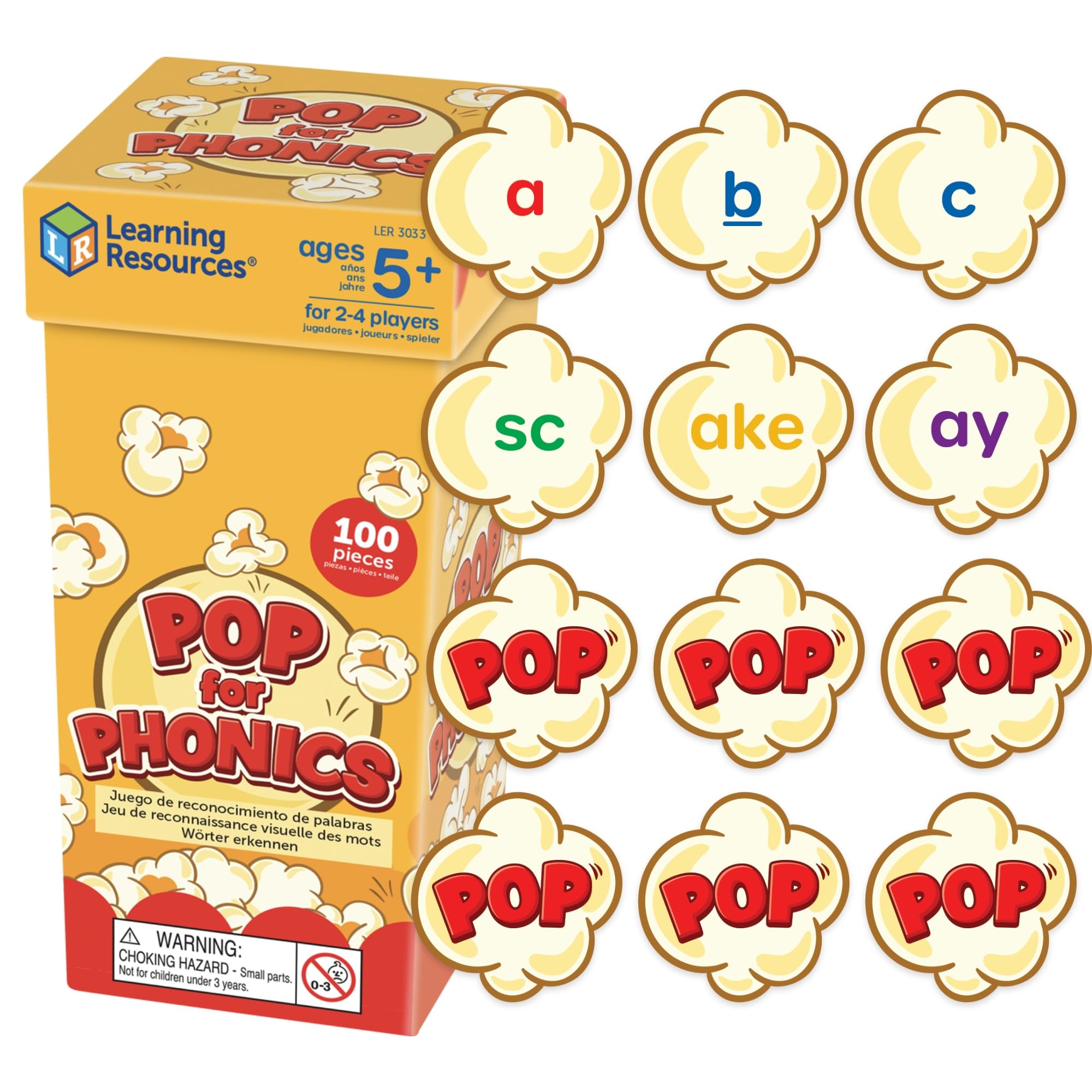
For families looking for games to grow with their children, consider titles like Mattel Games' Skip Bo, which offers a more strategic card-based sequencing challenge suitable for ages seven and up. When it comes to pure educational focus, Learning Resources POP for Phonics provides a different avenue for early language development, catering to a slightly older age group but with a clear educational objective. Don't Rock The Croc occupies a specific niche: a gentle introduction to balance and dexterity for the younger end of the preschool spectrum. Our analysis indicates that the 'premium' experience in this category often comes with more intricate rules, varied game modes, or a longer engagement period. Don't Rock The Croc offers perhaps 70-80% of the core developmental benefits found in more complex games, but at a fraction of the price and complexity, making it a strong value proposition for its intended audience. The wooden pieces are well-crafted, but as noted by several users, their size means this game is best supervised for children under three years old who are still prone to mouthing objects. This is a crucial safety consideration that potential buyers must weigh. Given the current 34% discount, this game represents excellent value if your child is within the 3-4 year old range and you prioritise gentle skill development over complex strategy. It's a Smart Buy for introducing cooperative play and dexterity to the youngest members of the family. The 4.6/5 rating suggests the vast majority of buyers find it meets their expectations, particularly for younger children.