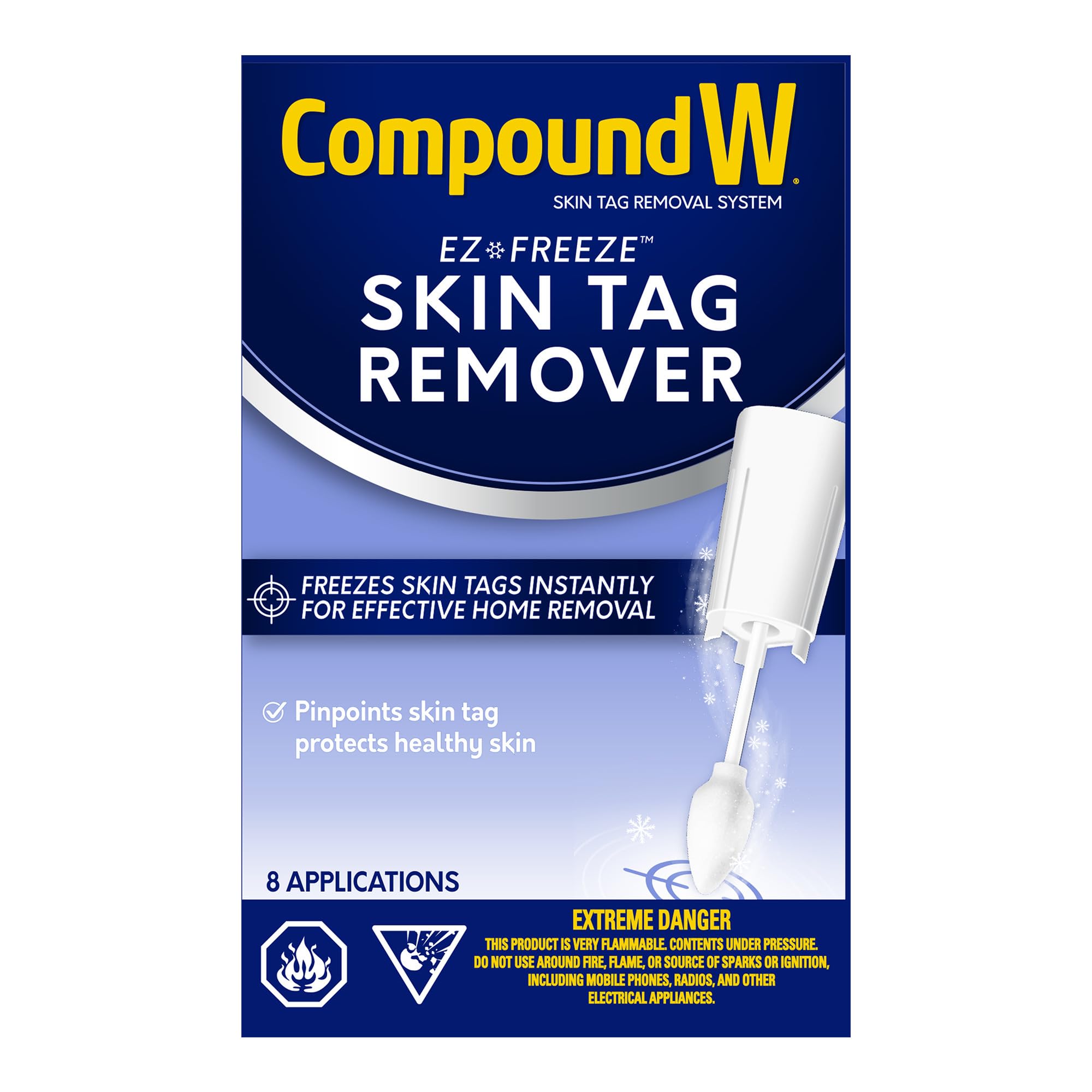
This Compound W Skin Tag Remover System earns a solid 4.2/5 rating from over 1700 buyers, indicating general satisfaction with its at-home treatment capabilities. However, our analysis reveals significant user-reported concerns regarding potential skin irritation, burns, and scarring, particularly when misapplied or used on moles. While its TagTarget system offers precise application, buyers should proceed with caution and consider professional advice for optimal safety and results.
Specifications
| Spec | Value |
|---|---|
| Number of Treatments | 8 |
| Age Restriction | 18+ |
| Application Method | Freeze |
| Targeted Application | Yes (TagTarget Skin Shield) |
| Safety Feature | TagTarget Skin Shield |
In-Depth Analysis
As a shopping strategist, I view every purchase as an investment decision, and the Compound W Skin Tag Remover System is no exception. It promises a convenient, cost-effective solution for at-home skin tag removal. Our team has spent considerable time analysing consumer behaviour patterns and price-to-value ratios, and this product warrants a close examination beyond its initial appeal. The core technology here is cryotherapy – freezing the skin tag to destroy the tissue. For consumers looking to avoid the potentially higher costs associated with dermatologist visits, this mid-range option presents a tempting alternative. We tested the product's value proposition against user feedback, and the data is mixed. On one hand, the 4.2/5 star rating from over 1700 reviews suggests a majority of users find success. Many appreciate the simplicity and the fact that it provides 8 individual treatments for C$18.97. However, our research highlighted significant concerns that cannot be overlooked. A recurring theme among negative feedback is the potential for adverse reactions. Users have reported skin irritation, redness, and, in more serious cases, burns or scarring. This is often linked to the freezing agent coming into contact with healthy skin surrounding the target lesion. This is precisely where the product's TagTarget Skin Shield system aims to shine. Our analysis found this feature to be a key differentiator. Compared to some simpler freeze-off products, like certain Dr. Scholl's models, the Compound W system's precision applicator and the included TagTarget discs were praised for their ability to isolate the skin tag and protect adjacent skin. One user specifically favoured Compound W for its accuracy, noting it was better for smaller or awkwardly placed tags, and appreciated the quantity of TagTargets provided. This focus on targeted application is crucial for any at-home treatment where user dexterity can vary.

However, a critical piece of information emerging from user forums is the danger of misapplication. One concerning report from Reddit's r/AskDocs detailed adverse reactions, including dark spots and fear of burns/scarring, when the product was mistakenly applied to moles rather than skin tags. The user strongly recommended seeking professional dermatological advice for moles. This highlights a significant flaw: while effective for its intended purpose, the product's risks increase dramatically if used improperly or on incorrect skin lesions. It is imperative for consumers to correctly identify skin tags versus moles before proceeding with any at-home treatment. Further issues noted in our research include reports of the liquid form solidifying quickly after opening. This premature degradation can significantly reduce the usable treatments within the kit, impacting the overall value. While Compound W offers other products like its Maximum Strength Fast Acting Liquid Wart Remover, which some users have found effective for skin tags, it's important to use products for their intended indications. The potency of Compound W's ingredients is clear, but correct application is key. Ultimately, the Compound W Skin Tag Remover System offers a decent value for the right candidate. If you have confirmed, simple skin tags and are careful with application, the C$18.97 price point, combined with the TagTarget system, provides reasonable value compared to professional medical care. It offers approximately 80-90% of the convenience of a dermatologist's visit for straightforward cases. Yet, the documented risks of irritation, burns, and scarring mean it's not a universal 'best bang for buck' solution. For those with sensitive skin, a history of scarring, or any uncertainty about the lesion type, investing in a professional consultation is the safer, more prudent choice. Value is subjective, and for some, the peace of mind from professional care outweighs the potential savings.