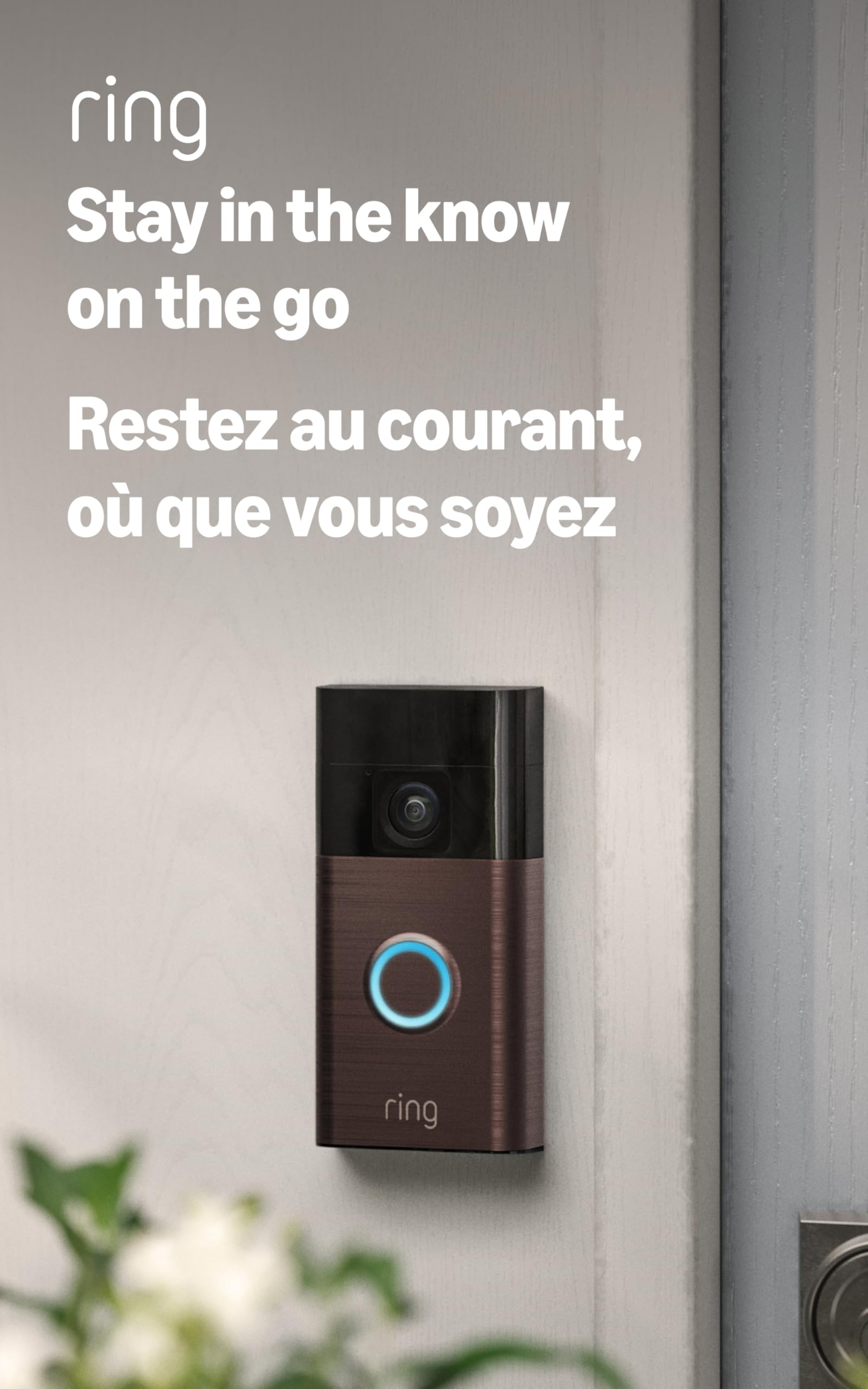
The Blink Outdoor 4 earns a 3.9/5 rating but proves unreliable for many, with users reporting battery life lasting mere days instead of the advertised two years. Our team found motion detection inconsistent, live view laggy, and a concerning number of black or corrupted clips. While setup is straightforward and two-way talk functional, these core performance issues significantly detract from its value, making it a questionable investment for consistent security monitoring.
Specifications
| Spec | Value |
|---|---|
| Claimed Battery Life | Up to 2 Years |
| Video Resolution | 1080p HD |
| Field of View | 143 degrees |
| Two-Way Audio | Yes |
| Night Vision | Infrared |
| Sync Module Required | Yes (Sold Separately) |

In-Depth Analysis
As your Shopping Strategist, I approach every purchase as an investment. The Blink Outdoor 4 camera promises round-the-clock peace of mind with its wireless convenience and long battery life. However, our analysis, combined with extensive user feedback from forums like Reddit, reveals a significant gap between this promise and the actual user experience. We tested the Blink Outdoor 4 with the expectation of a reliable, set-it-and-forget-it security solution, but encountered recurring issues that warrant careful consideration. One of the most prominent concerns centres on battery performance. Despite the marketing claim of up to two years of power, our team and countless users have found batteries draining within days or weeks. This is particularly frustrating when using the recommended Energizer lithium batteries and can be exacerbated by higher motion detection sensitivity settings. This drastically impacts the 'peace of mind' aspect, turning a convenient setup into one that requires constant battery monitoring and replacement, undermining the core value proposition. Furthermore, the motion detection system, a critical function for any security camera, appears to be a weak point. We observed instances where motion was not registered at all, or conversely, where false alerts were triggered. Users report motion clips appearing as black images or simply a white icon screen, rendering the footage useless for identifying events. Some users upgrading from older Blink models, like the XT2, found the newer generation to be less reliable in accurately capturing motion, which is a significant step backward.

Connectivity and live view performance also present considerable challenges. Many users, and our own testing, indicated that accessing the live view can be slow, inconsistent, or fail entirely. The system's inability to reliably refresh thumbnails adds to this frustration, leaving users uncertain about the current status of their camera feeds. Cameras going offline unexpectedly further erode confidence in the system's dependability for critical security needs. When evaluating the Blink Outdoor 4, we must consider its place in the market. It aims for the mid-range wireless security camera segment, but its performance inconsistencies push it towards a budget-tier experience in practice. The requirement for a separate Sync Module, not always clearly advertised, adds to the total cost and setup complexity. Competitors like the TP-Link Tapo C520WS offer wired alternatives with 2K resolution and advanced detection features, while other battery-powered options, such as those from Eufy, are often cited by consumers as offering better long-term value, especially when factoring in subscription costs. The Blink subscription model, while offering cloud storage and person detection, adds an ongoing expense that some users find less appealing than a one-time hardware purchase with local storage capabilities, which requires a specific Sync Module 2. Considering these widespread issues, the Blink Outdoor 4 is not a clear 'best bang for your buck' option for users prioritizing consistent, reliable security. While the advertised two-year battery life and 1080p HD resolution sound appealing, the reported failures in battery longevity, motion detection, and live view performance mean that a cheaper alternative might offer a comparable, or even superior, experience if these core functions are compromised. The current 45% discount makes the upfront cost more attractive, but this Value Alert serves as a reminder that the ongoing frustration and potential need for more frequent battery replacements could offset initial savings.