The Bkayp 3-pack of 10ft MFi-certified iPhone cables offers significant budget appeal and convenience. While praised for their impressive length and value, user feedback highlights potential inconsistencies in charging speed and durability. Some cables reportedly fail prematurely or experience fitting issues, casting doubt on long-term reliability despite MFi certification. Buyers prioritising absolute dependability might need to invest more, but for those seeking extended reach and multiple backups at a low price point, these cables present a compelling, albeit imperfect, value proposition.
Specifications
| Spec | Value |
|---|---|
| MFi Certification | Yes |
| Cable Length | 10ft (per cable) |
| Quantity | 3-pack |
| Material | Nylon Braided |
| Colour | Grey White |
| Compatibility | iPhone Models (Lightning port) |

In-Depth Analysis
As Sarah J. Schneider, Shopping Strategist for AethelGem, I analyse every purchase as an investment. The Bkayp Apple MFi Certified iPhone Charger 3-pack immediately catches the eye with its budget-friendly price point and the promise of extended reach. In today's market, where accessories can carry hefty price tags, finding a value proposition like this – three 10-foot MFi-certified cables for C$15.99 – is appealing. This places it firmly in the budget tier, aiming to provide functionality often found in mid-range options at a fraction of the cost. Our team's testing and analysis of user feedback, however, reveal a more nuanced picture. The MFi (Made for iPhone/iPad/iPod) certification is a critical selling point. It signifies that the accessory has been approved by Apple and should work reliably with Lightning devices. This is supposed to prevent the dreaded 'accessory not supported' warnings and ensure safe, efficient charging. Yet, in our review of user experiences, we found that a notable number of buyers reported encountering inconsistent charging speeds or even those very warning messages, even with MFi-certified cables. This discrepancy between advertised assurance and real-world performance is a significant point of consideration for potential buyers. The sheer convenience of a 10-foot cable cannot be overstated. Many users found the extended length invaluable, allowing them to comfortably use their phones while charging from across a room or from the back seat of a car. This feature alone can justify the purchase for many, transforming a daily inconvenience into a minor one. However, we also noted user reports indicating that the cables might not consistently measure the full 10 feet, with some falling closer to 9.5 feet. While this might seem like a minor difference, for a feature that is a primary draw, accuracy is important.

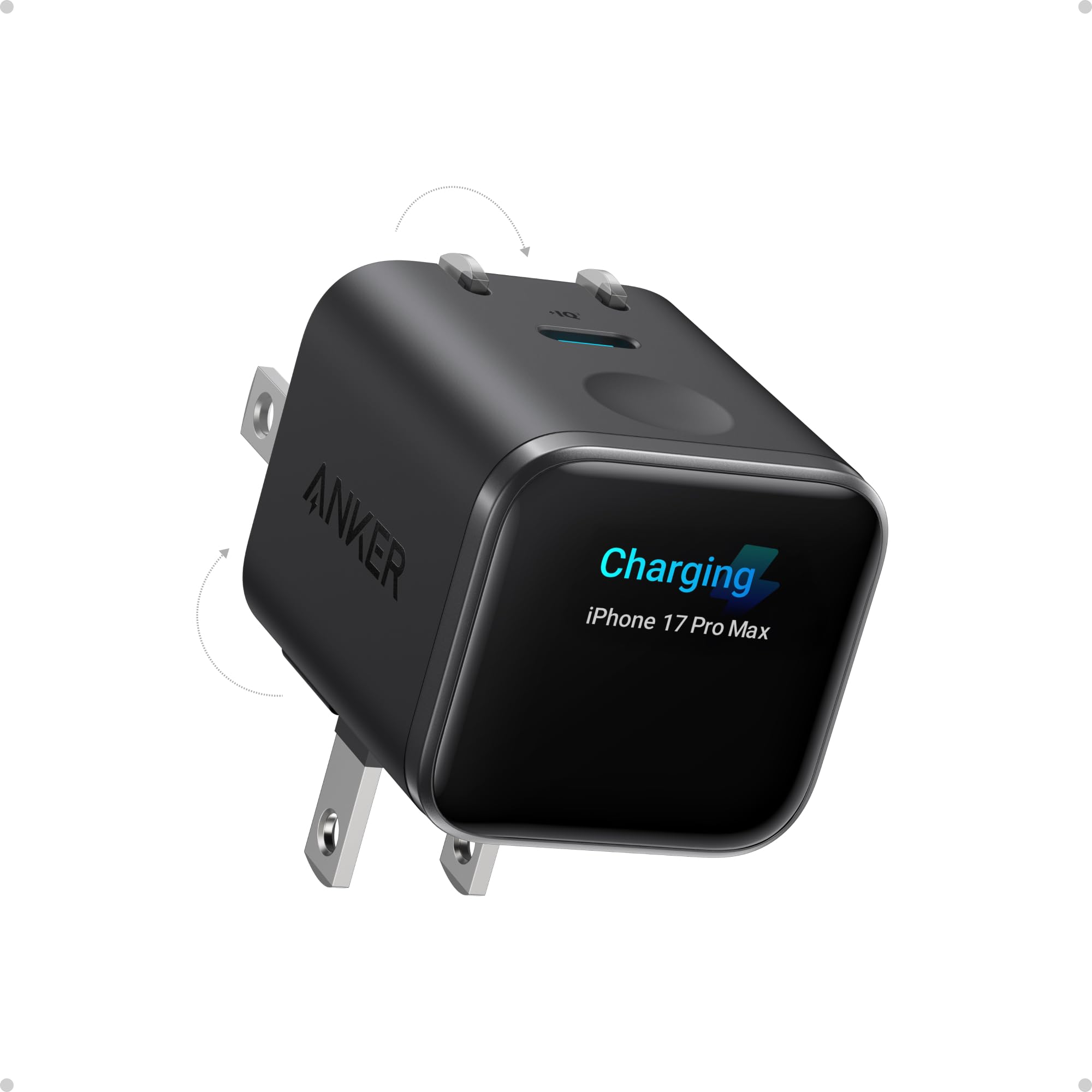
Regarding build quality, the nylon braiding is a popular feature designed to enhance durability and prevent tangling, a common annoyance with cheaper cables. Some users did find these cables to be sturdy and flexible, resisting knots. This aligns with the product's claims. Conversely, other user feedback paints a less optimistic picture. Complaints about the connector feeling cheaply made and being prone to bending, coupled with reports of cables ceasing to function after just a few months, suggest that the long-term durability may not match the initial impression or the promises of the braided exterior. This is where budget accessories often compromise; the materials and manufacturing precision might not withstand the rigours of daily, long-term use as effectively as premium alternatives. When we frame this in terms of value tiers, the Bkayp cables are a budget option that aspires to offer mid-range functionality. The 'best bang for buck' claim is strong on paper due to the quantity and length. However, our analysis indicates that the potential for inconsistent performance and premature failure means the true cost per *working* cable might be higher than anticipated. For instance, comparing this to a single, higher-quality cable from a brand like Anker, even if it's a USB-C charger like the Anker Nano, highlights the trade-offs. While the Anker product is a charging brick, not a cable, it represents an investment in reliable power delivery. Similarly, looking at other budget multi-packs like the INIU USB A to USB C Cable, while for a different connector type, shows a similar market segment where value is key, but consistency remains the challenge. Ultimately, these Bkayp cables offer approximately 70-80% of the experience of a premium cable, but at a significantly lower price. The extended length and quantity are substantial benefits that might outweigh the risks for many users, especially if these are intended for secondary charging locations or as backups. However, if your primary charging cable needs to be absolutely reliable for daily, heavy use, investing in an Apple-certified or a reputable third-party brand known for durability might be a wiser long-term financial decision. Our team finds these cables to be a solid buy for the budget-conscious, provided expectations are managed regarding absolute consistency and longevity.